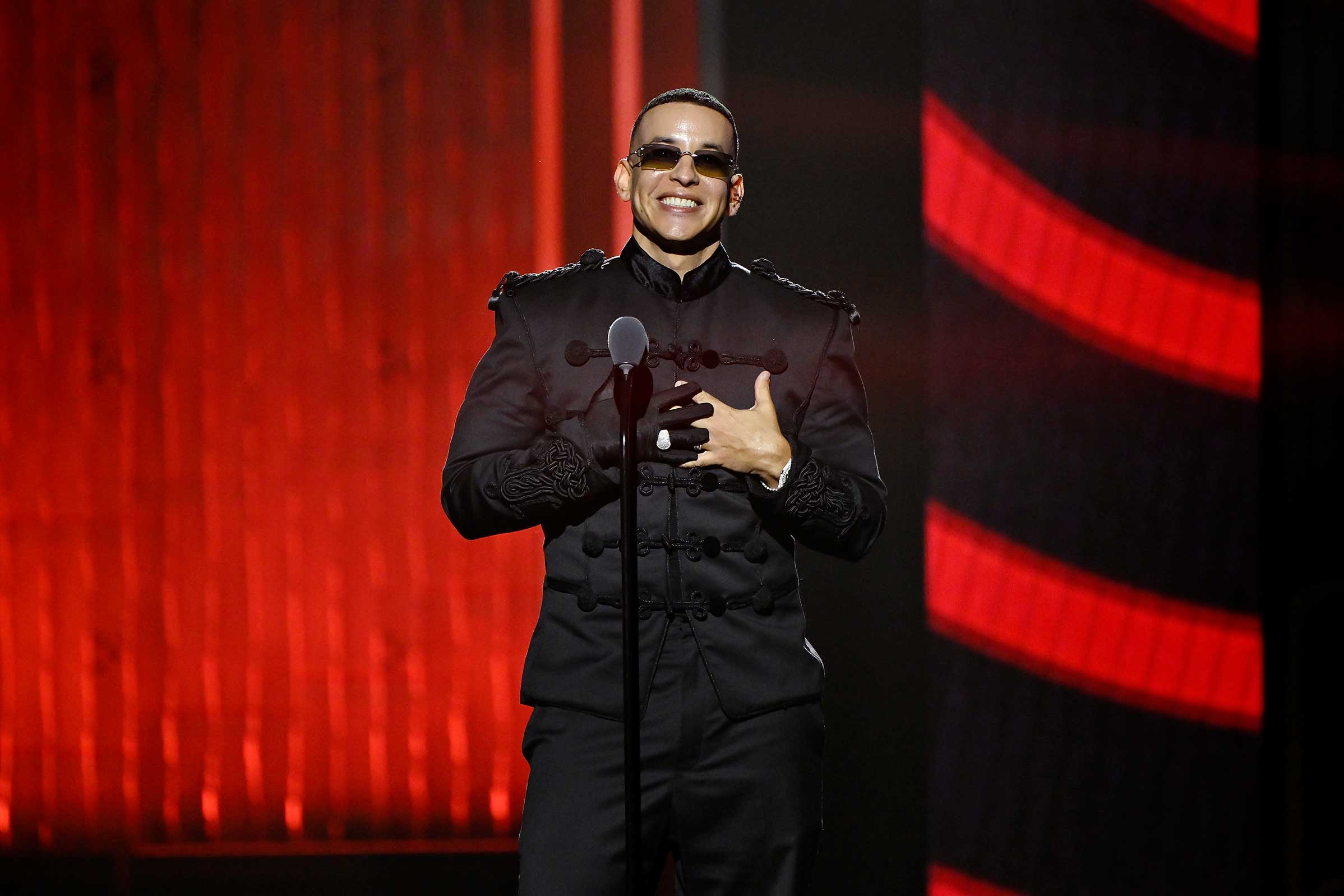
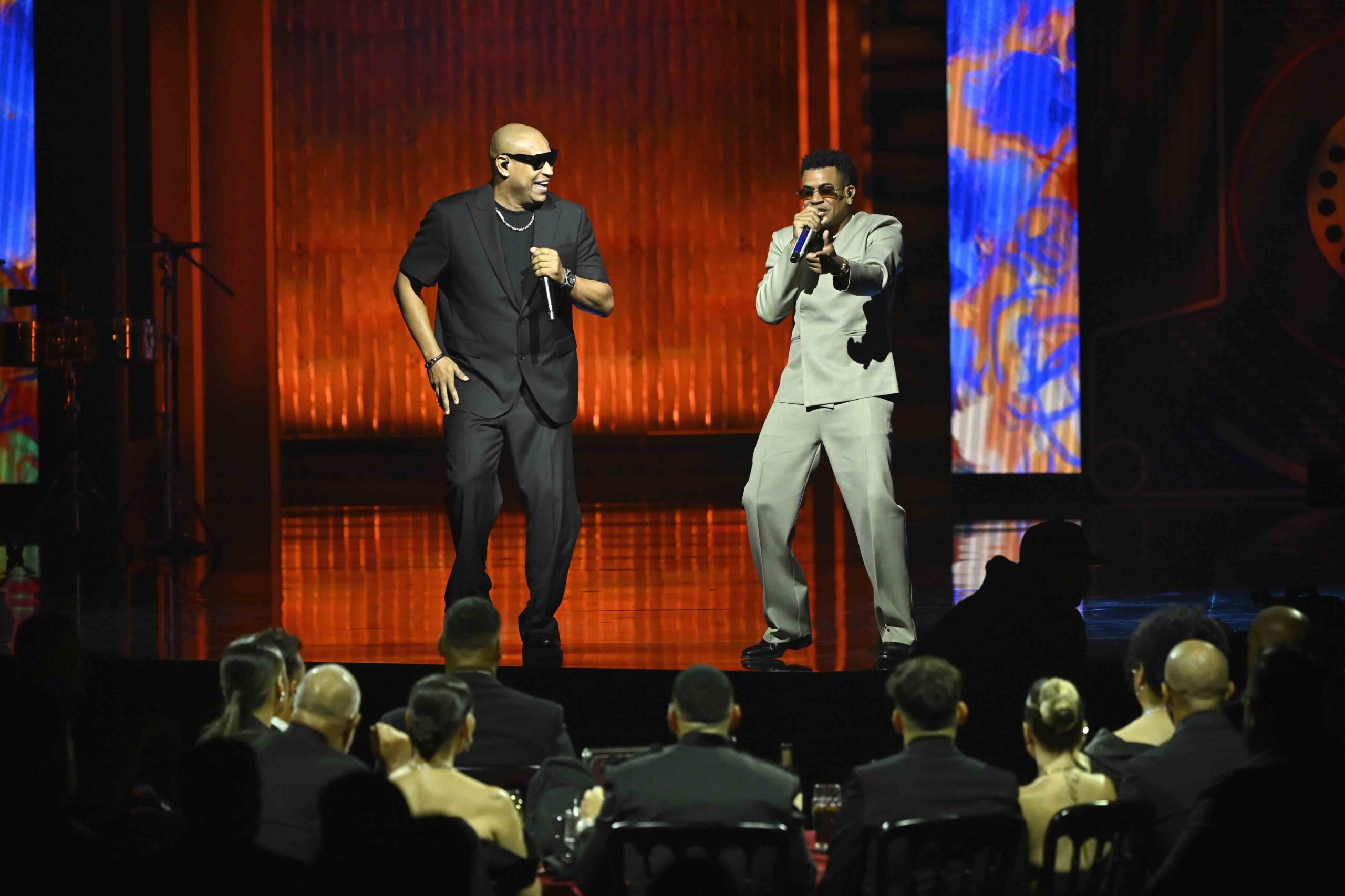
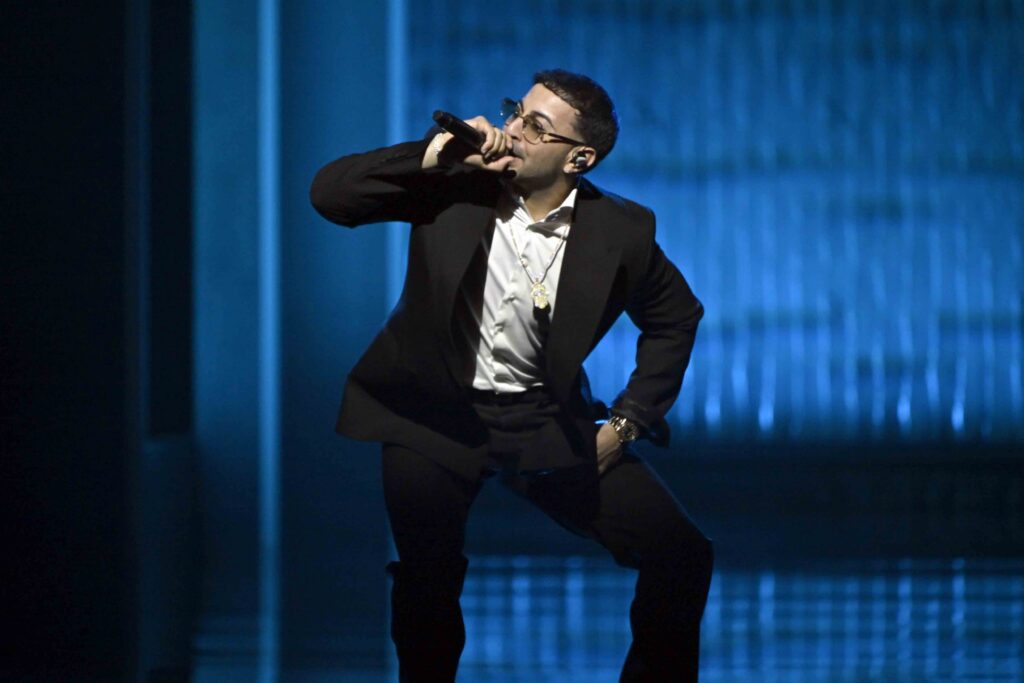
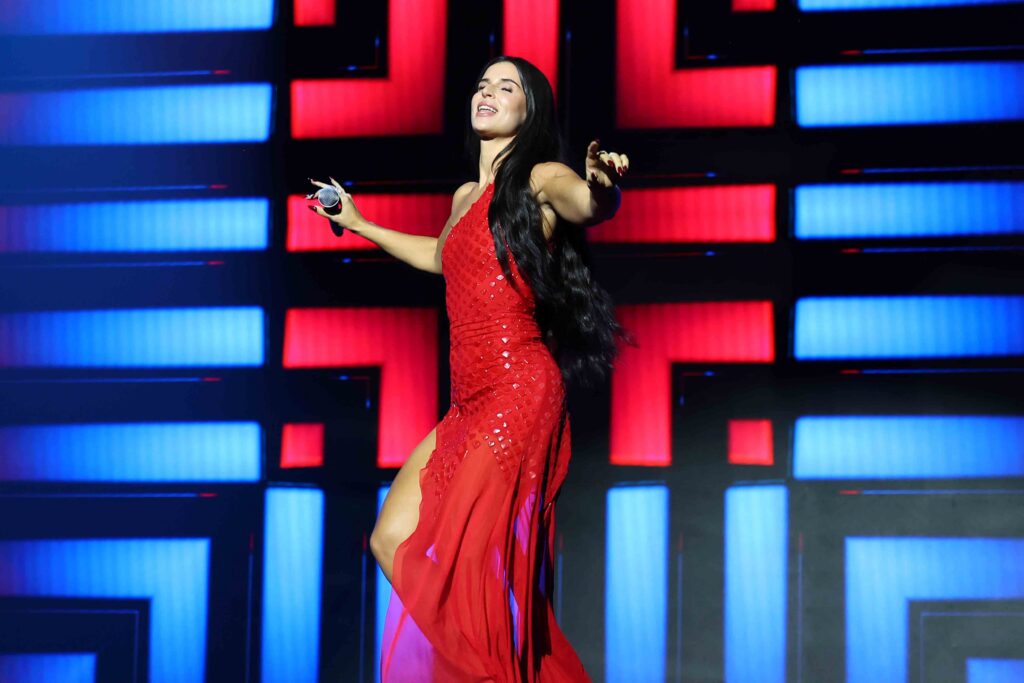
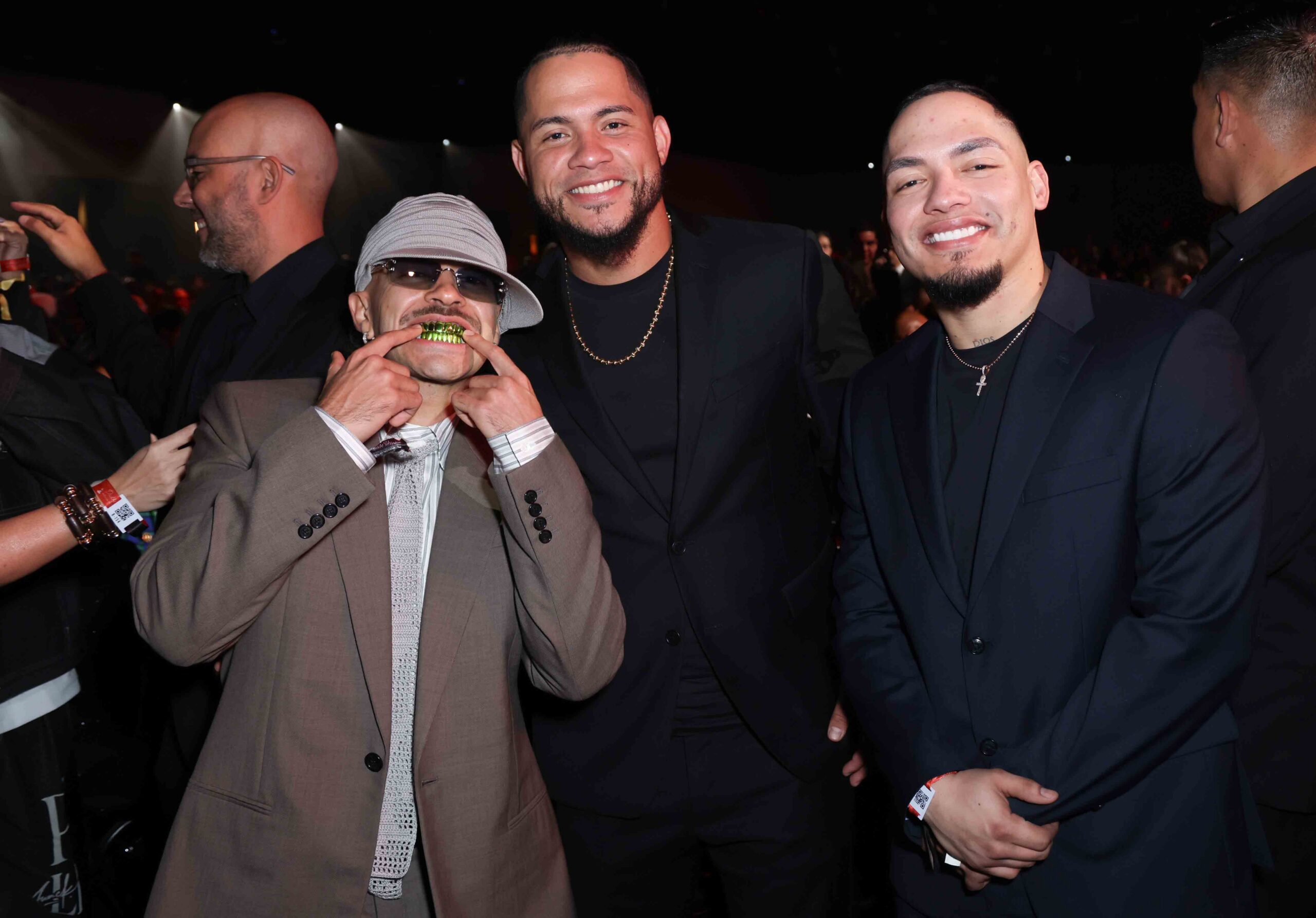
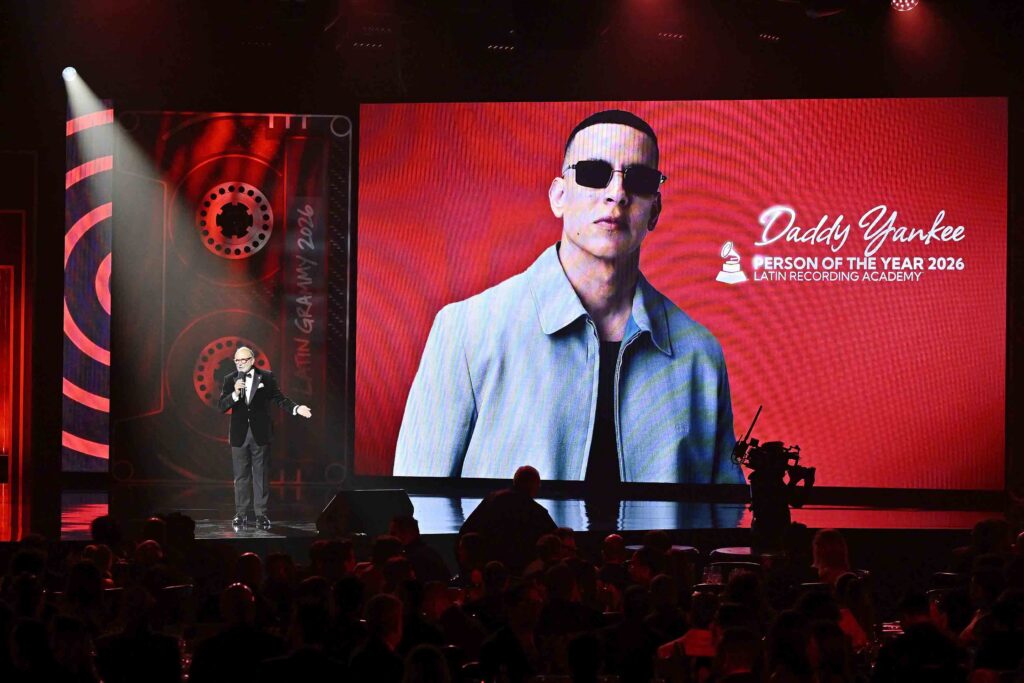
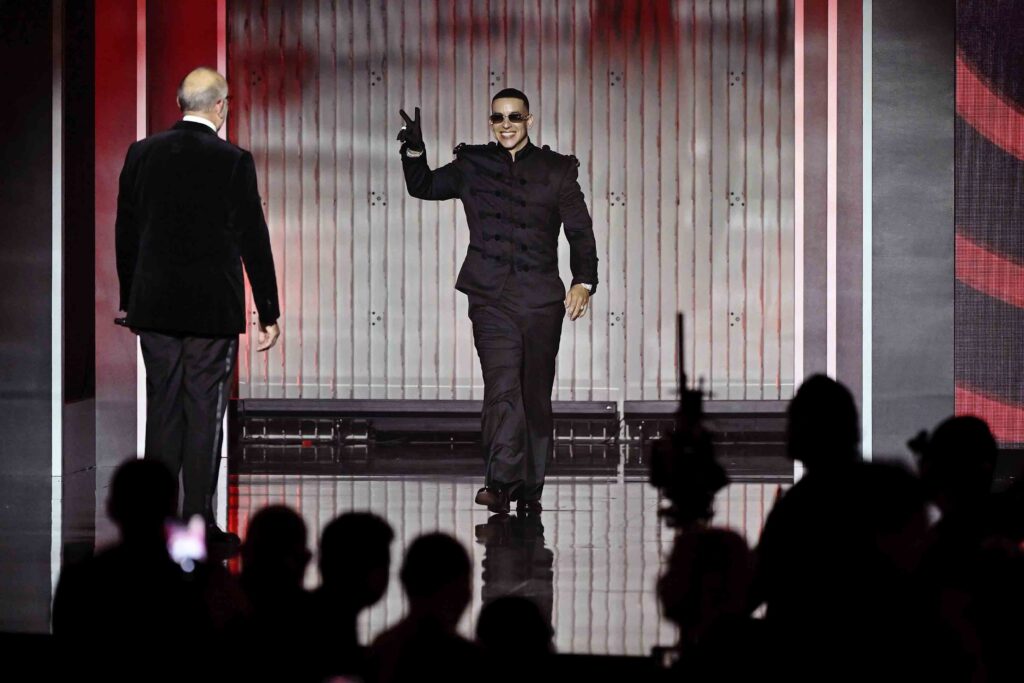
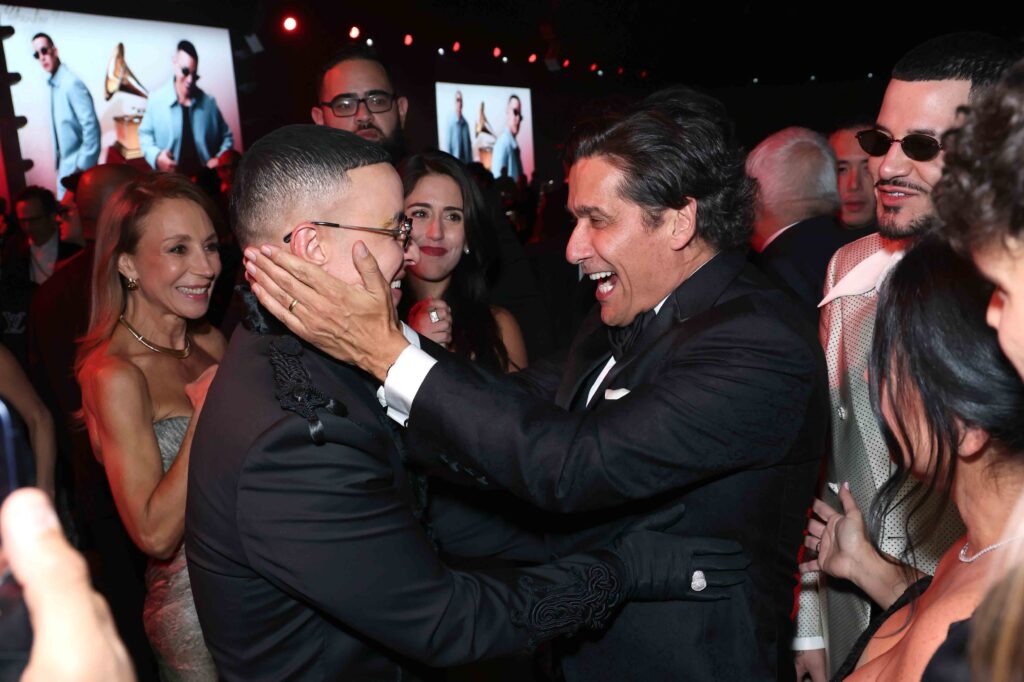
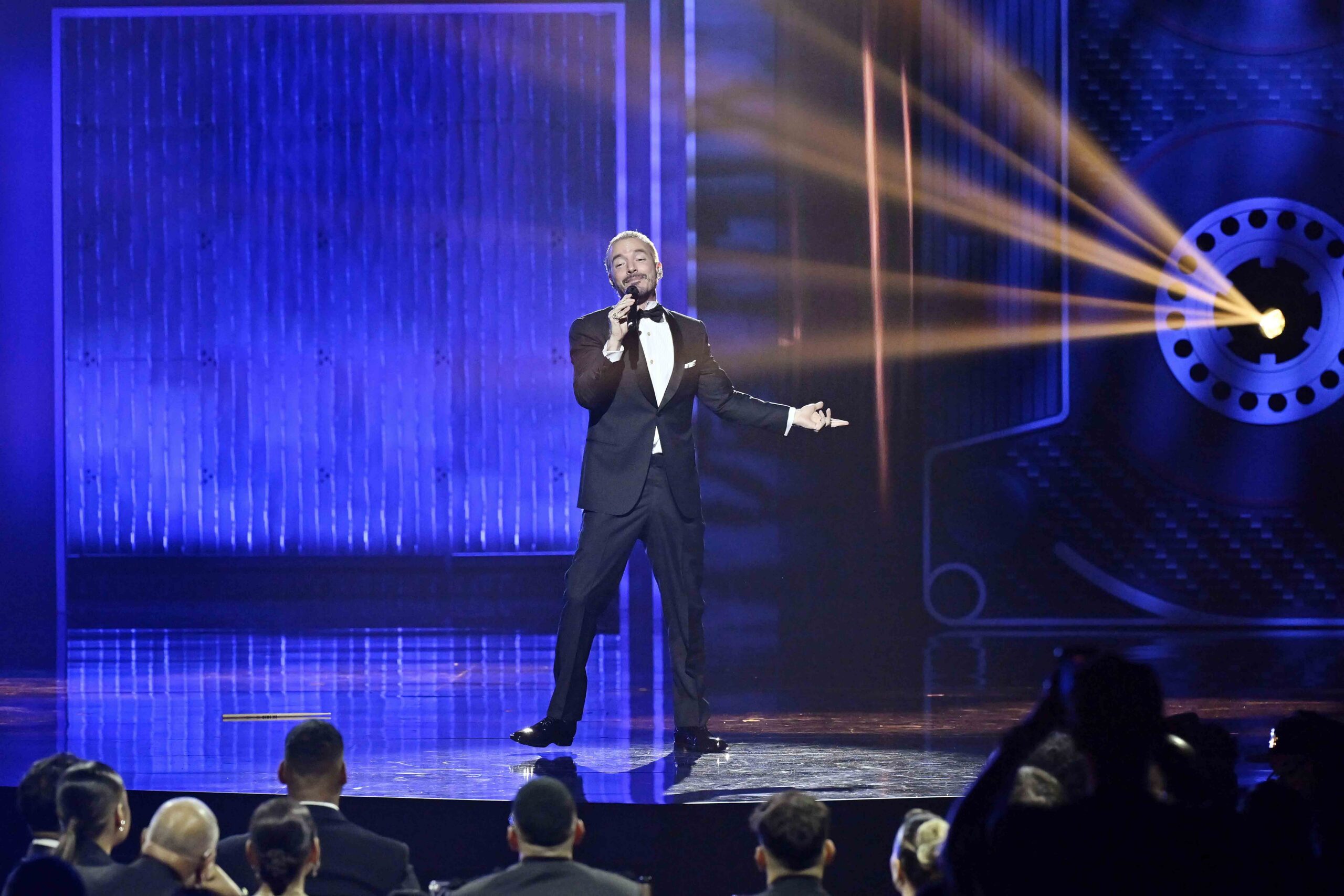
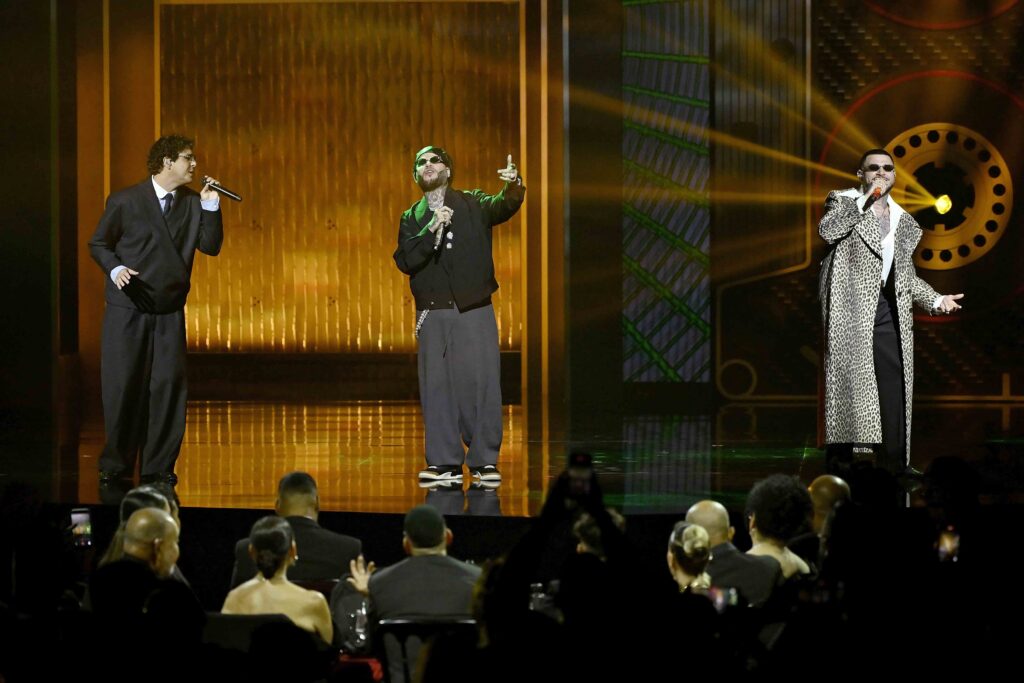
The Latin Recording Academy celebrated Daddy Yankee as its 2026 Person of the Year with an all-star musical tribute in Las Vegas, honoring the Puerto Rican icon whose nearly three-decade career helped transform reggaeton from an underground movement into one of the most influential sounds in global music.
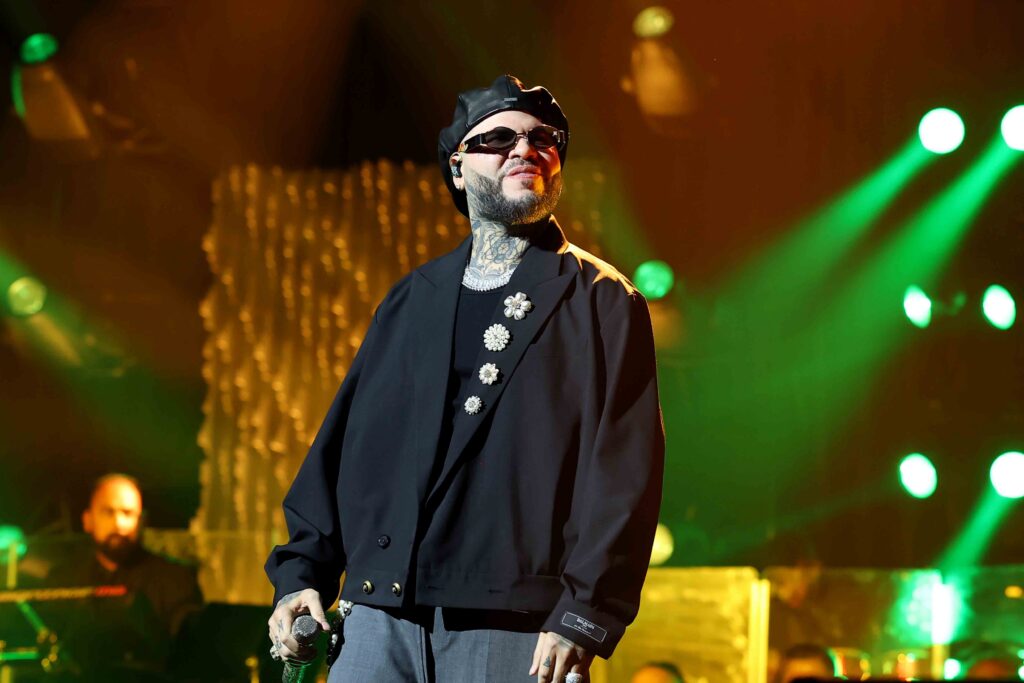
The celebration brought together artists from different generations and genres, including J Balvin, Feid, Jowell & Randy, Tito El Bambino, Farruko, Nathy Peluso, Ryan Castro, Trueno, Reik, and LL Cool J, alongside several of the musicians who helped shape Daddy Yankee’s sound and the artists who followed in his footsteps.
Born Ramón Luis Ayala Rodríguez, Daddy Yankee was recognized not only for his contributions to Latin music but also for his humanitarian work. The evening served as a reminder that his influence extends far beyond hit records, connecting the early struggles of Puerto Rico’s urban music scene with the global success reggaeton enjoys today.
From Puerto Rico’s Underground to a Global Movement
Rather than opening with the commercial success that made Daddy Yankee an international superstar, the tribute began by revisiting the cultural environment that shaped his career.
The evening traveled back to the neighborhoods of San Juan during the 1990s, when Puerto Rican underground music faced censorship, police scrutiny, and resistance from authorities.
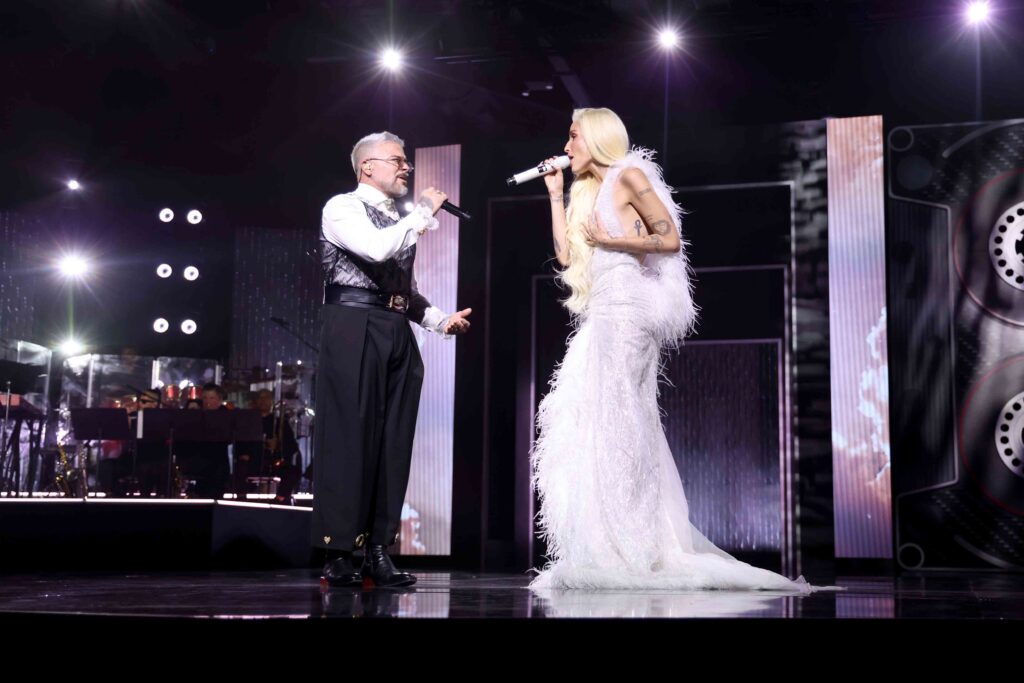
Uruguayan singer-songwriter Jorge Drexler opened the celebration with an emotional interpretation of “Ante la Duda, Baila,” referencing Law 112, the anti-obscenity legislation associated with the confiscation of underground music cassettes in Puerto Rican record stores during that era.
The moment established an important historical perspective: reggaeton’s worldwide popularity was not inevitable. Before becoming a dominant force in Latin music, the genre had to overcome significant cultural and institutional barriers.
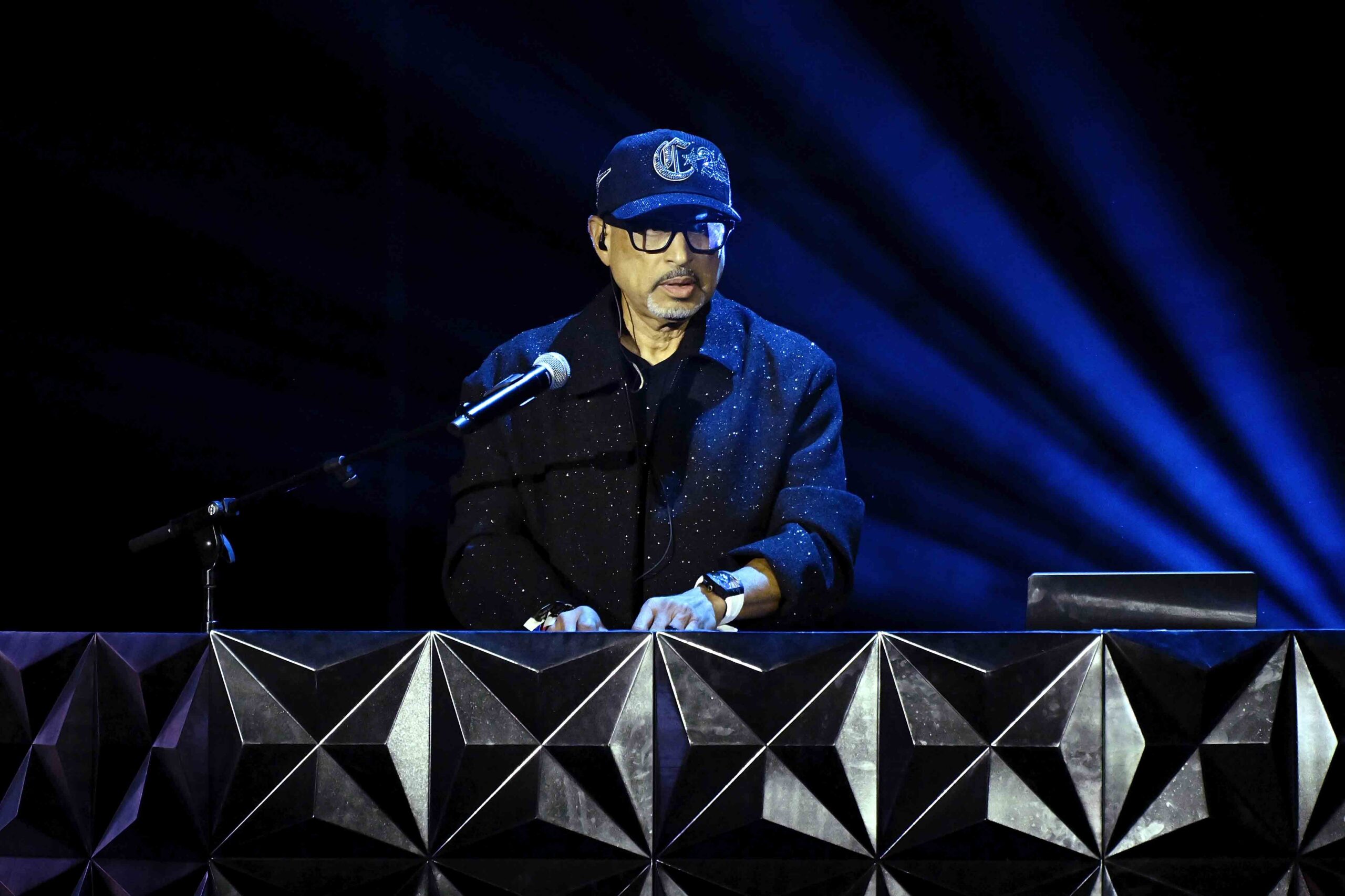
DJ Playero, one of reggaeton’s foundational producers and the first to record Daddy Yankee, followed with a special set celebrating the genre’s early sound.
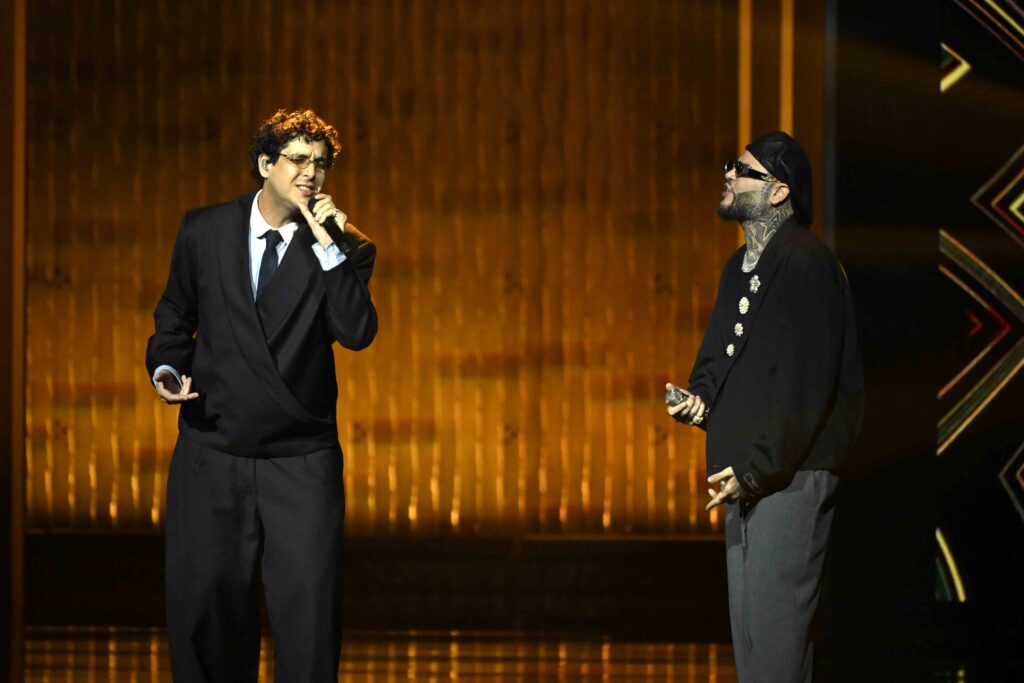
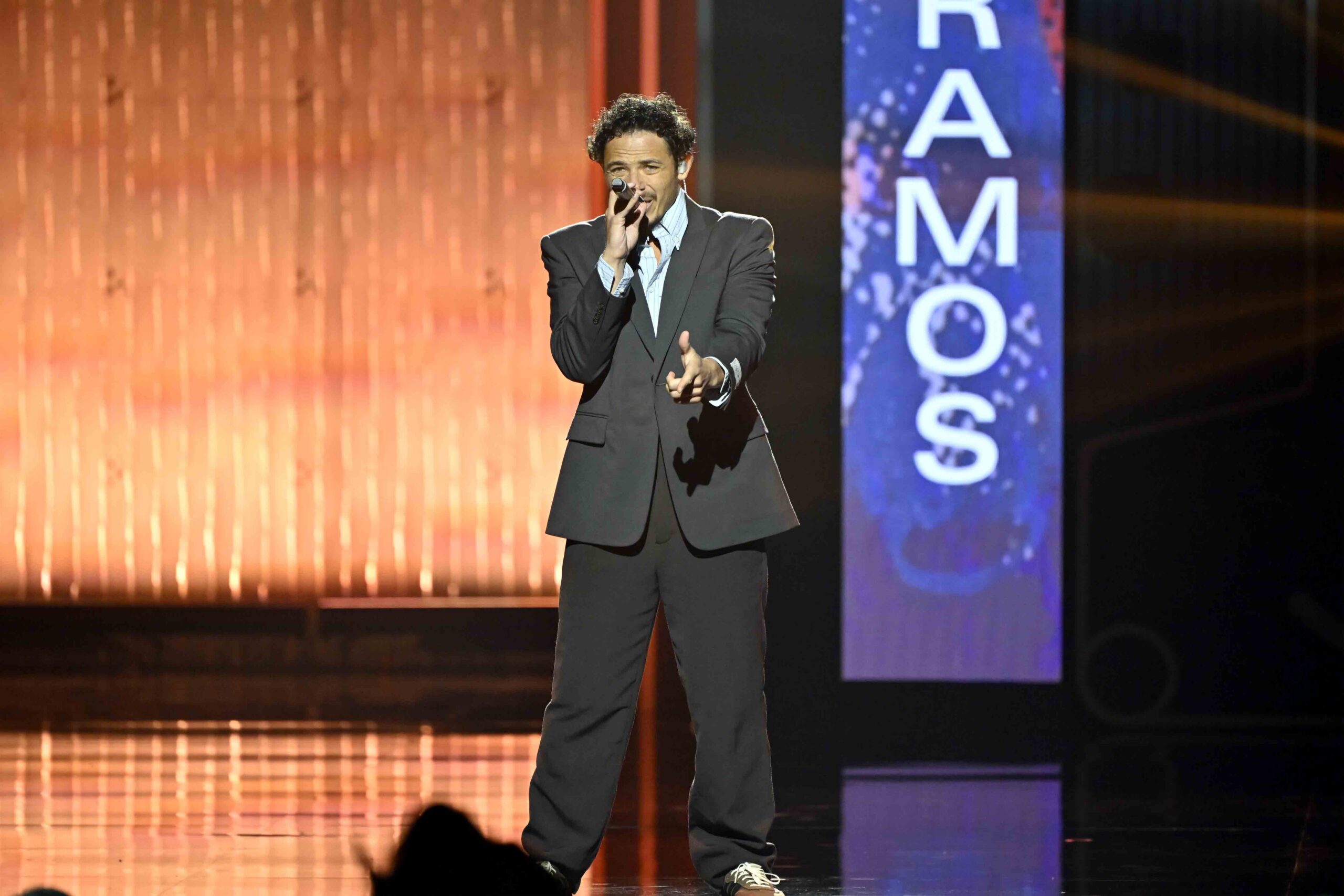
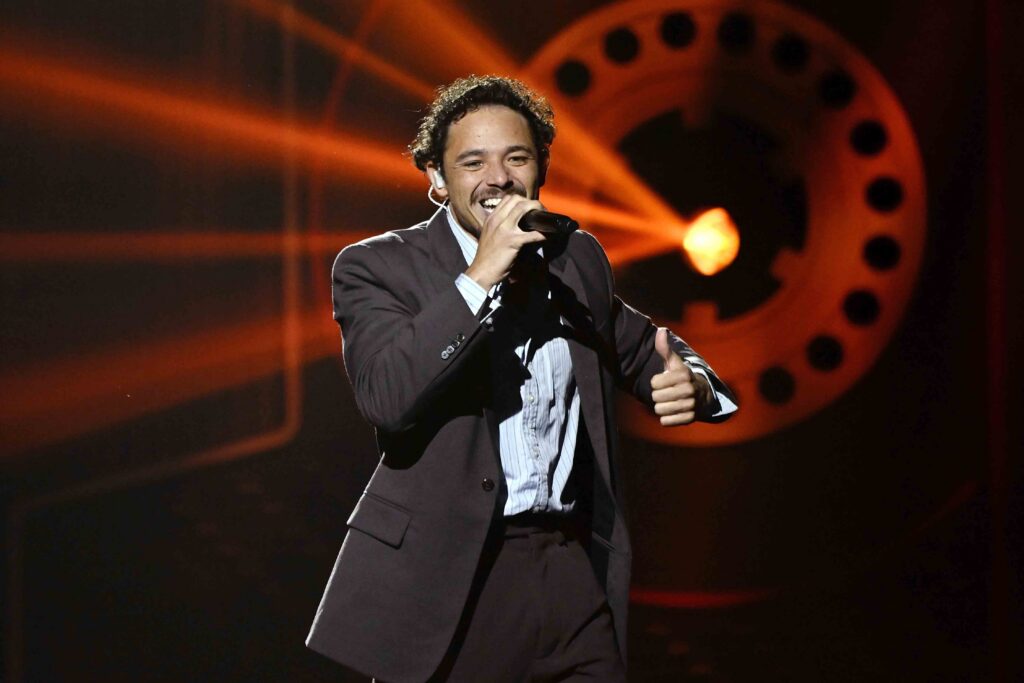
Actor and singer Anthony Ramos performed “Coraza Divina,” an autobiographical track reflecting Daddy Yankee’s personal journey.
The celebration then shifted toward the records that helped bring reggaeton to international audiences.
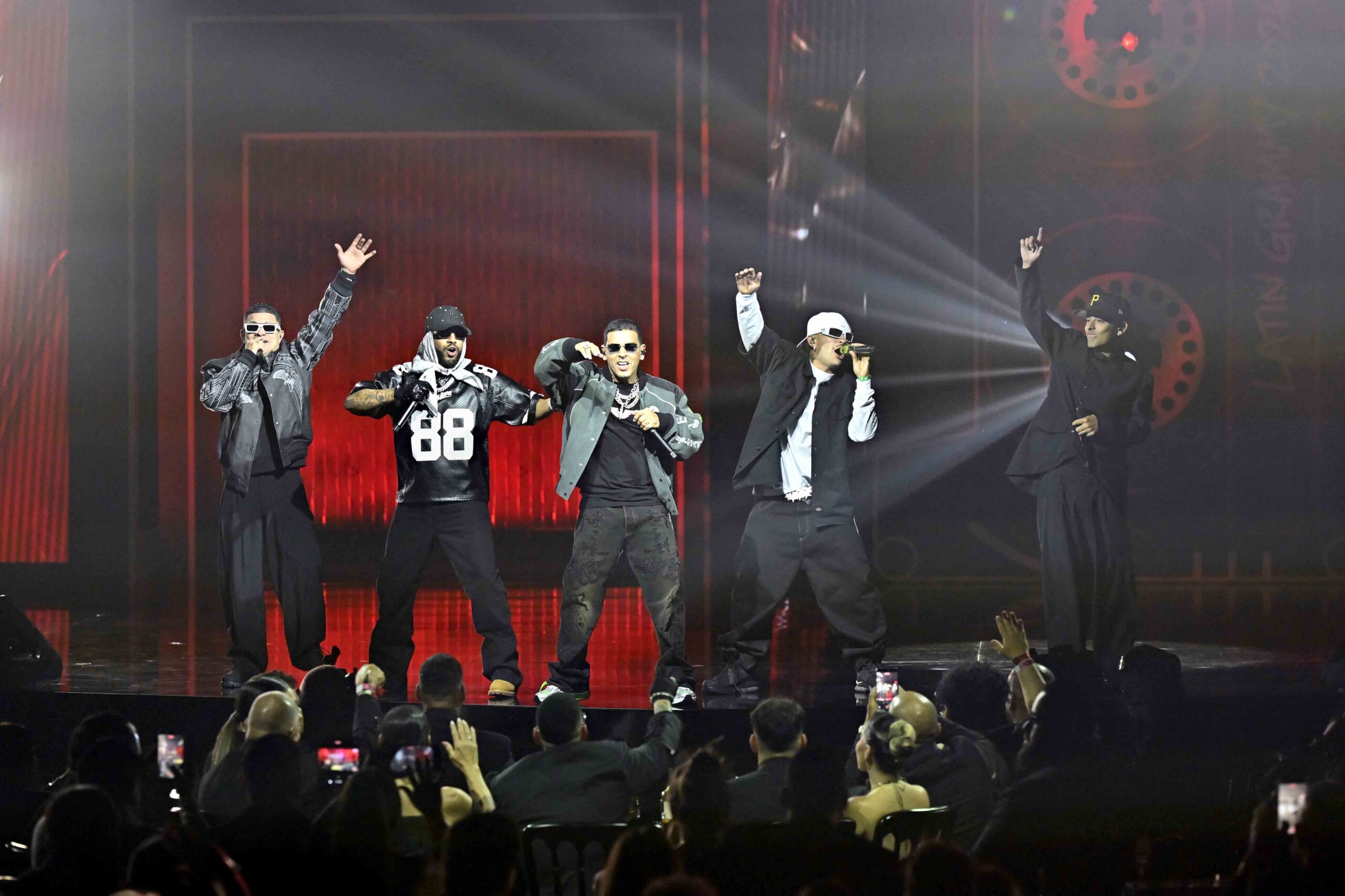
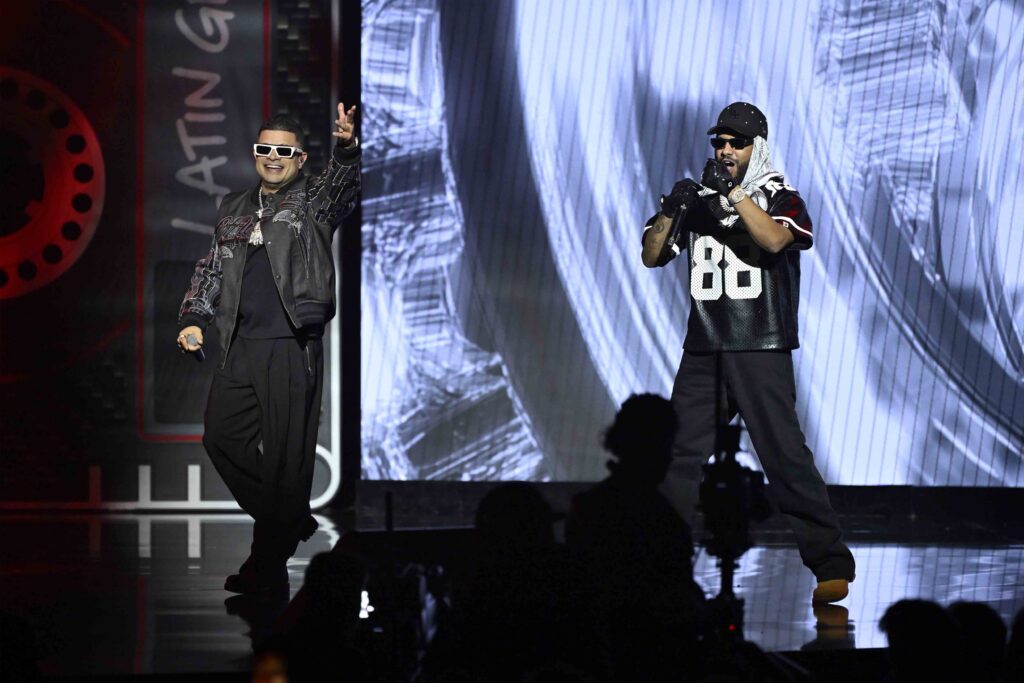
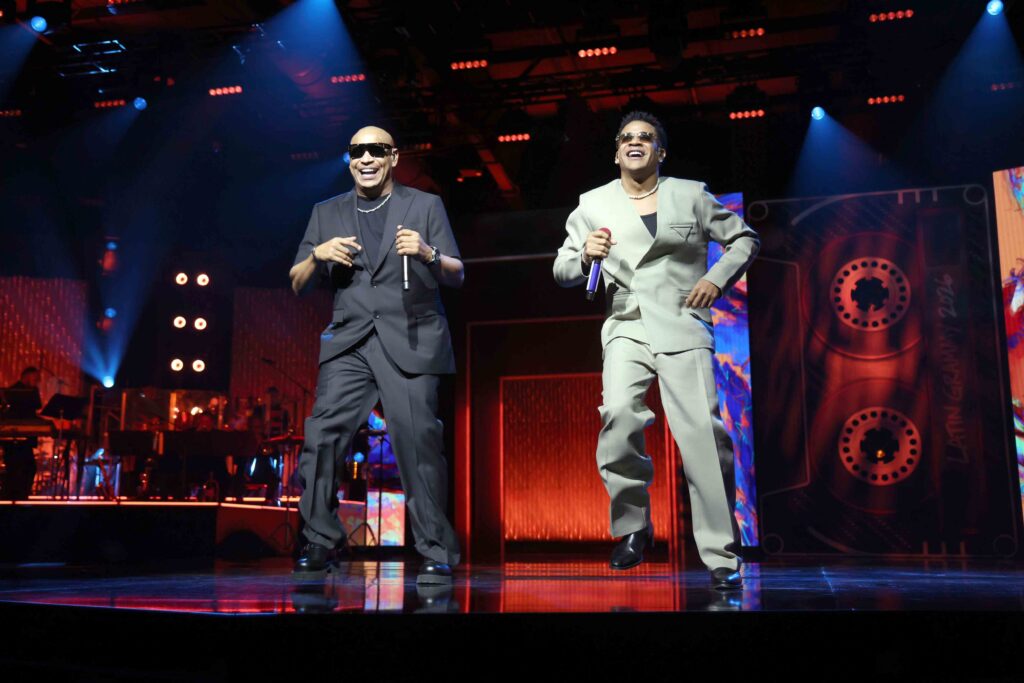
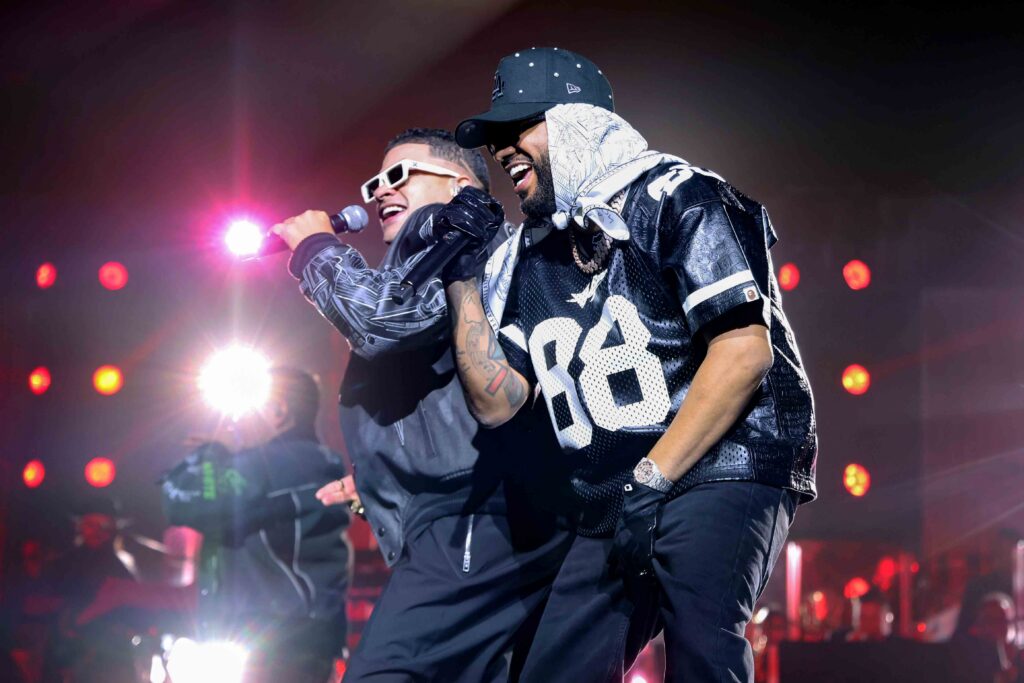
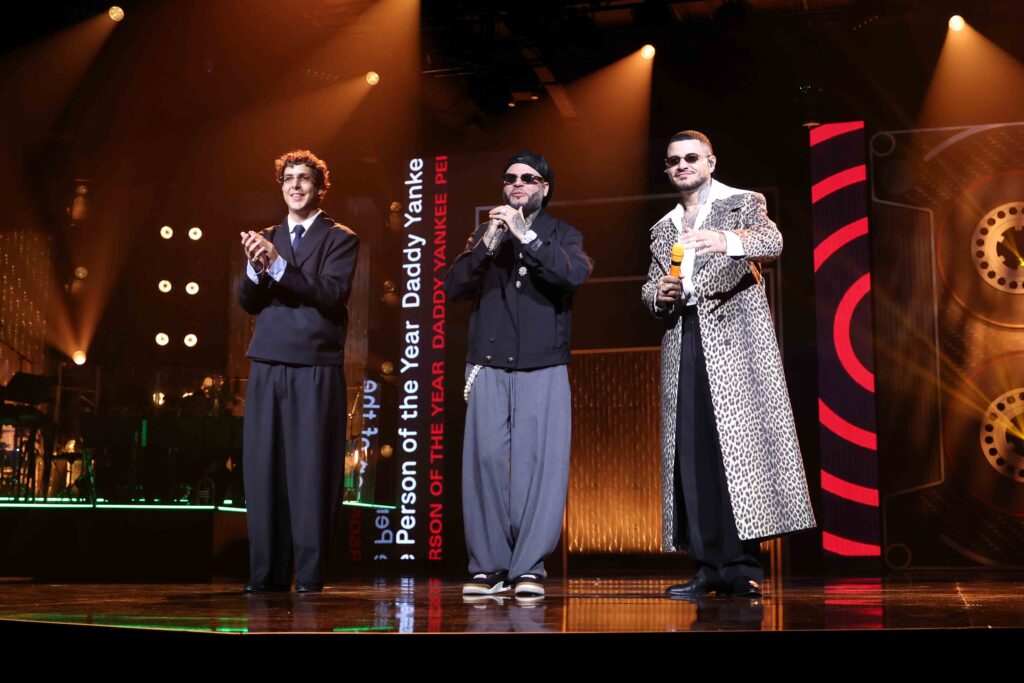
Reggaeton pioneers Tito El Bambino and Jowell & Randy joined Feid and Trueno for a performance of “Gasolina,” connecting two generations of urban music through one of the genre’s defining songs.
The selection carried particular significance. Released during Daddy Yankee’s breakthrough era, “Gasolina” became a landmark in reggaeton’s international expansion, helping introduce the genre to listeners well beyond its original Caribbean audience.
More than two decades later, its presence in a tribute featuring younger performers demonstrated how Daddy Yankee’s catalog continues to connect artists across generations.
A Musical Tribute Across Genres and Generations
Throughout the evening, performers reimagined Daddy Yankee’s music through different musical styles, highlighting the versatility of a catalog frequently associated with reggaeton but influenced by a much broader range of sounds.
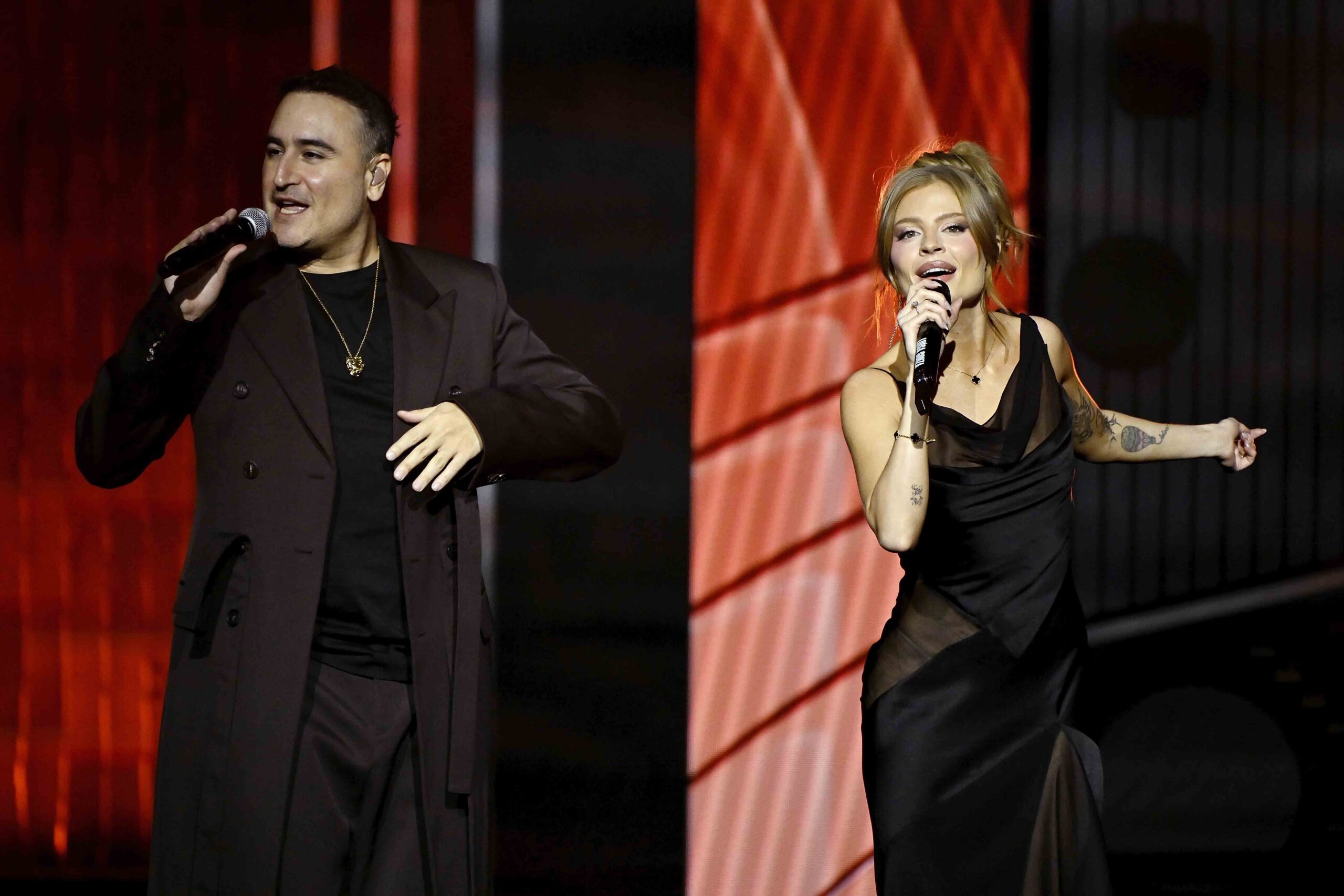
Reik and Brazilian singer Luísa Sonza delivered their interpretation of “Ella Me Levantó,” while Farruko, Kapo, and Rawayana transformed “La Despedida” into a reggae-inspired performance.
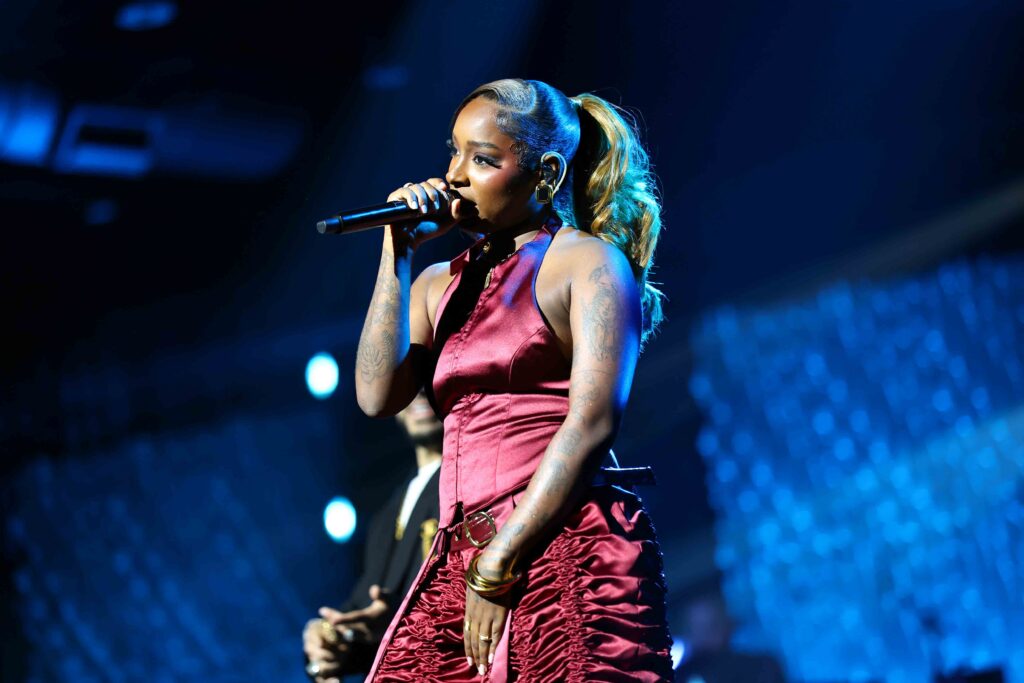
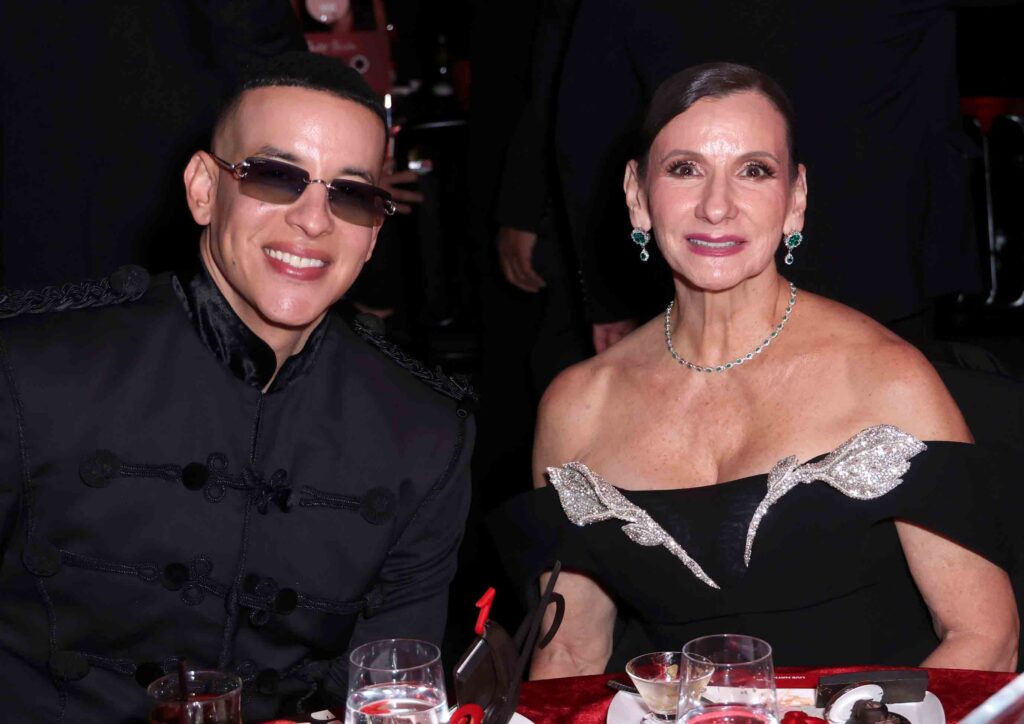
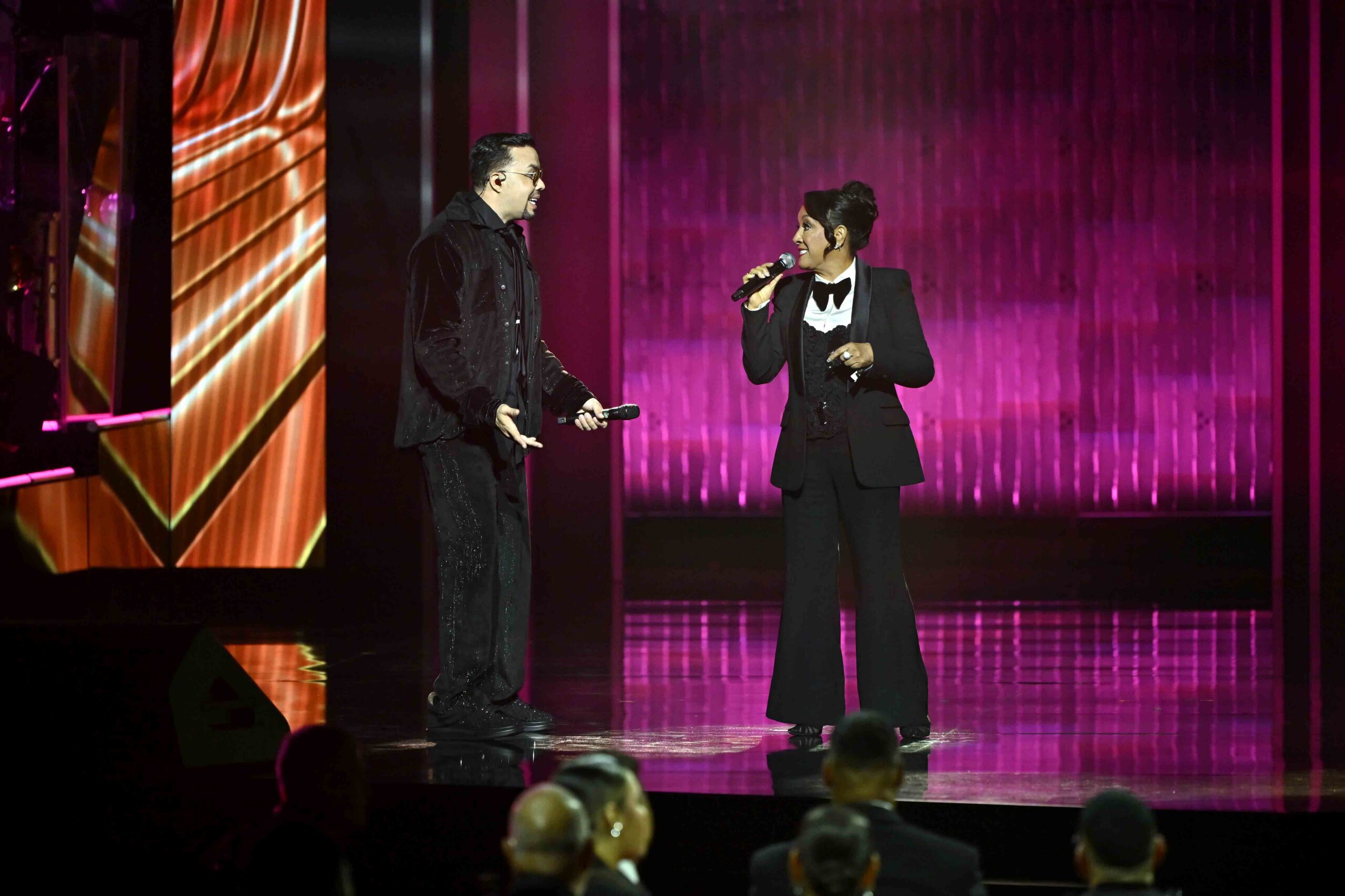
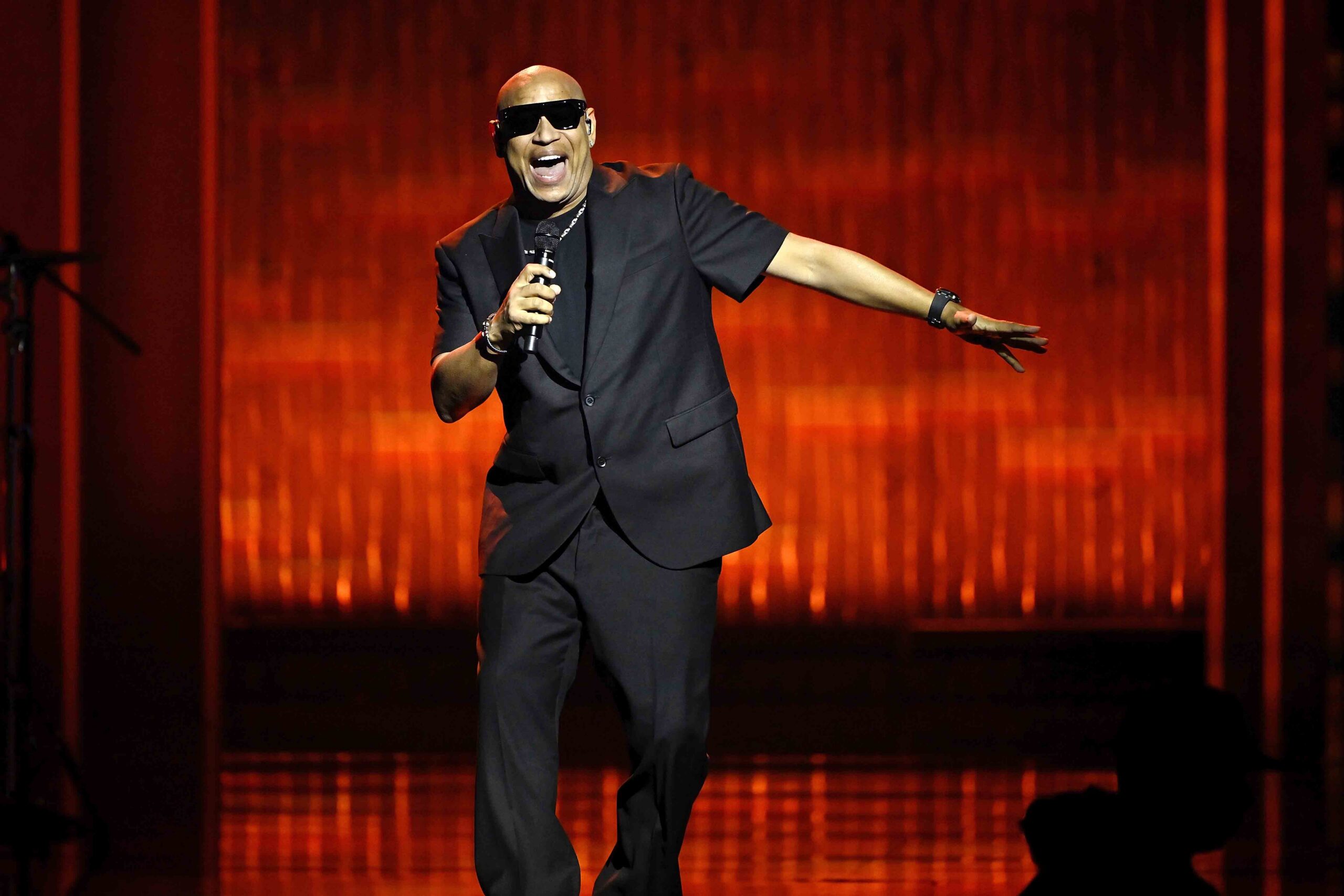
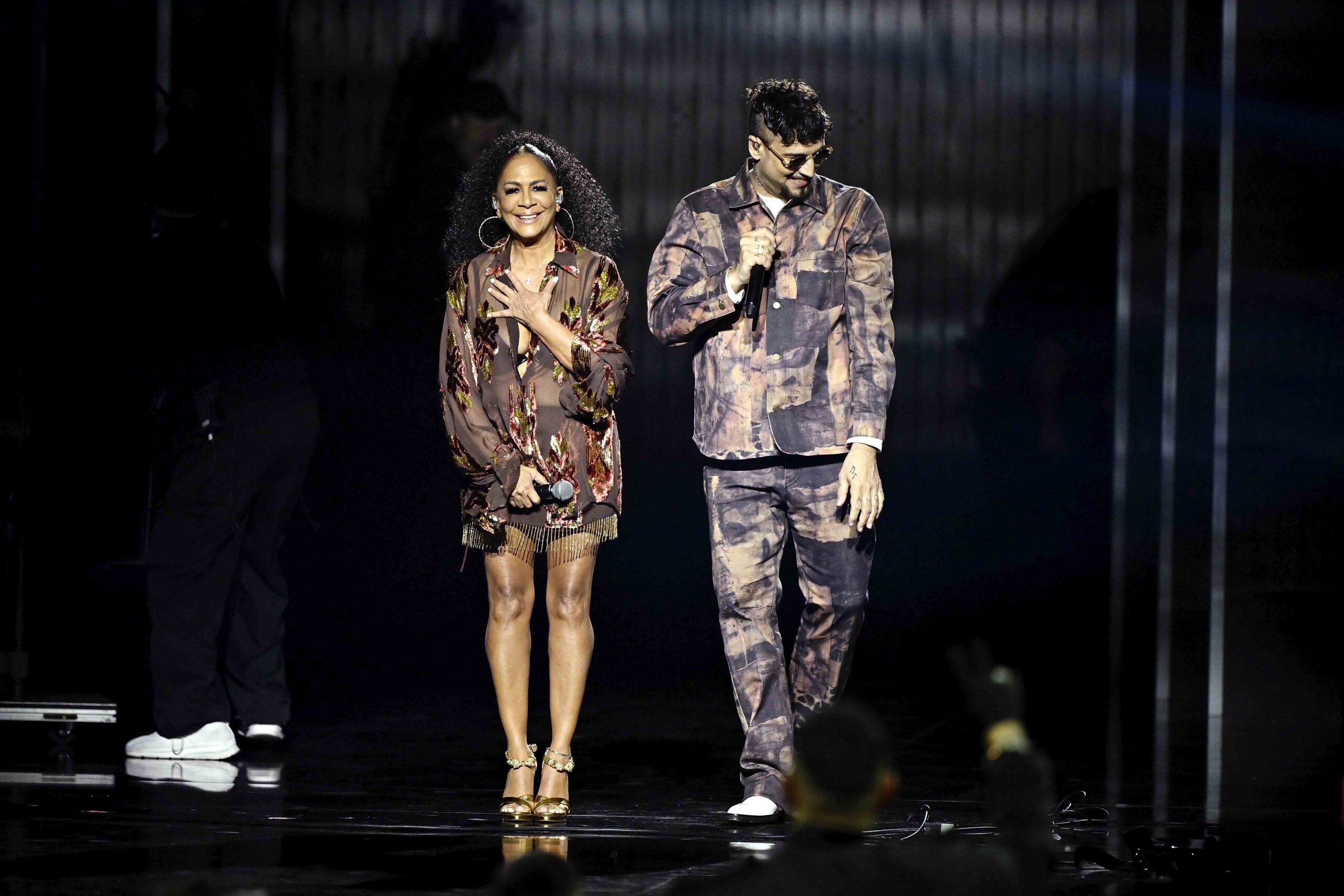
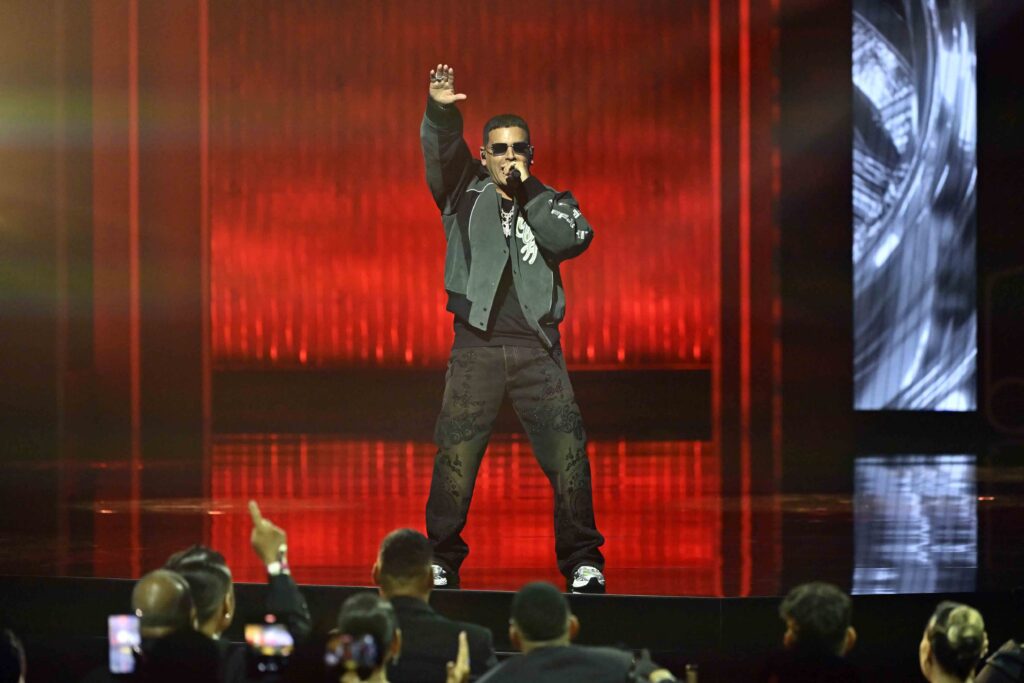
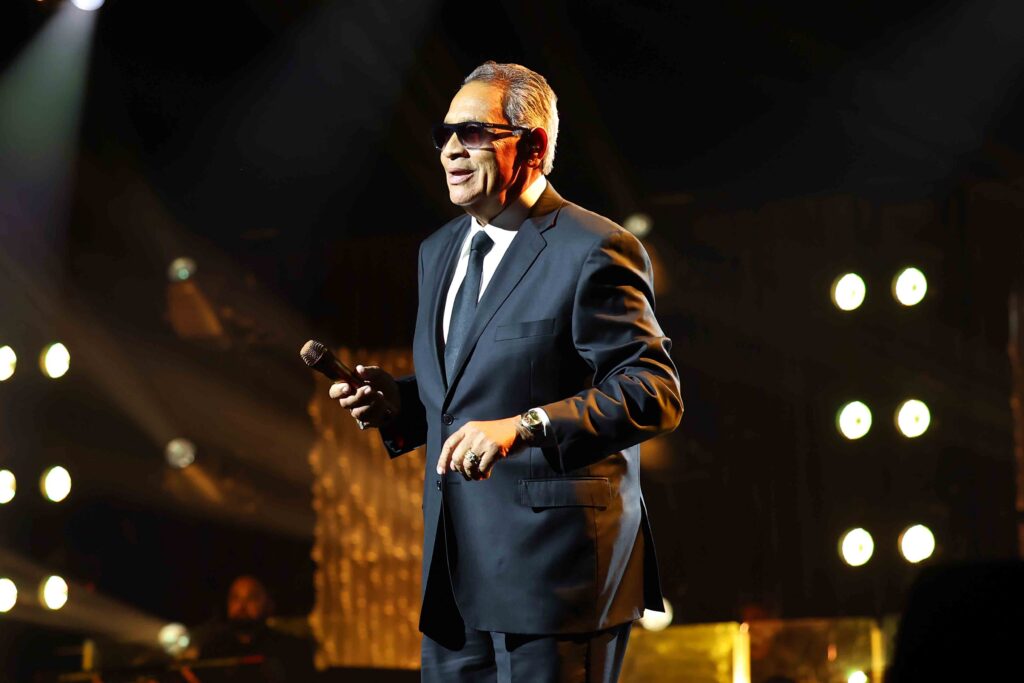
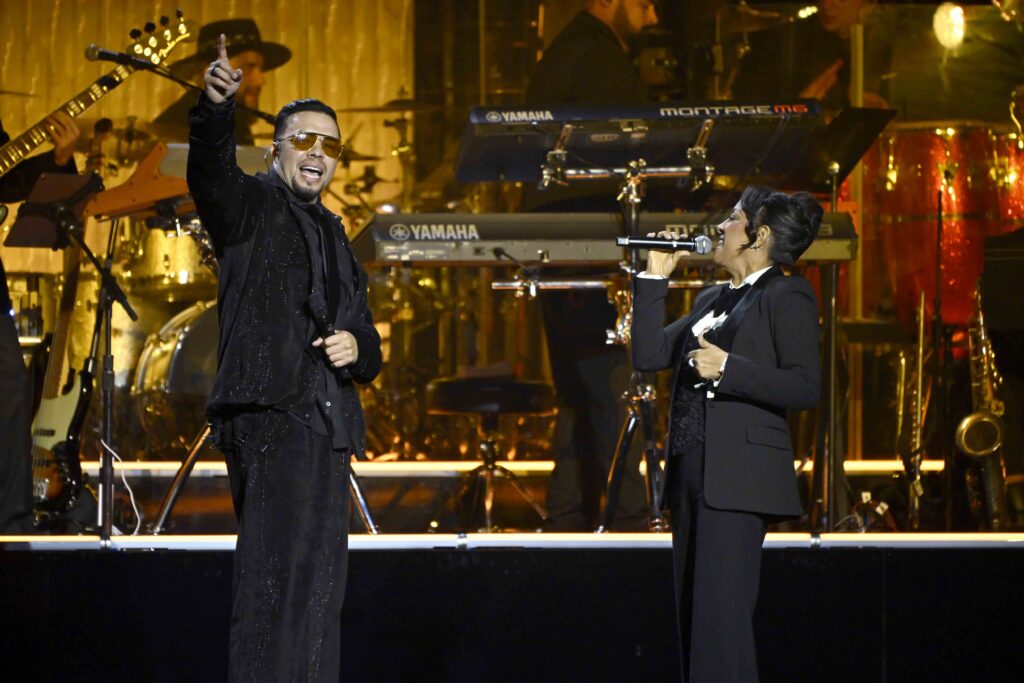
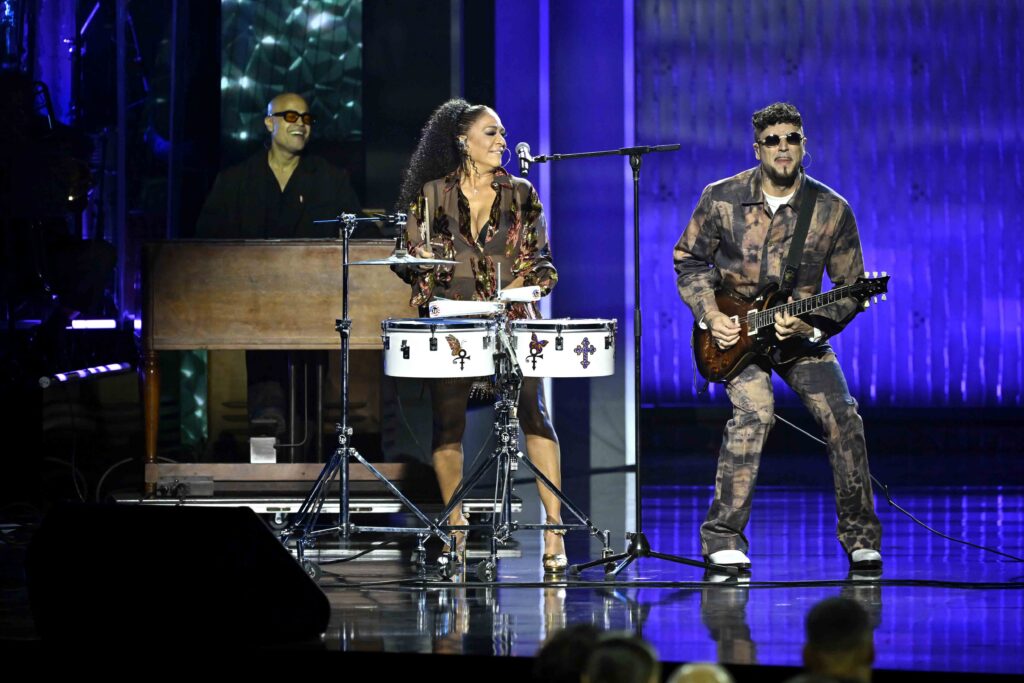
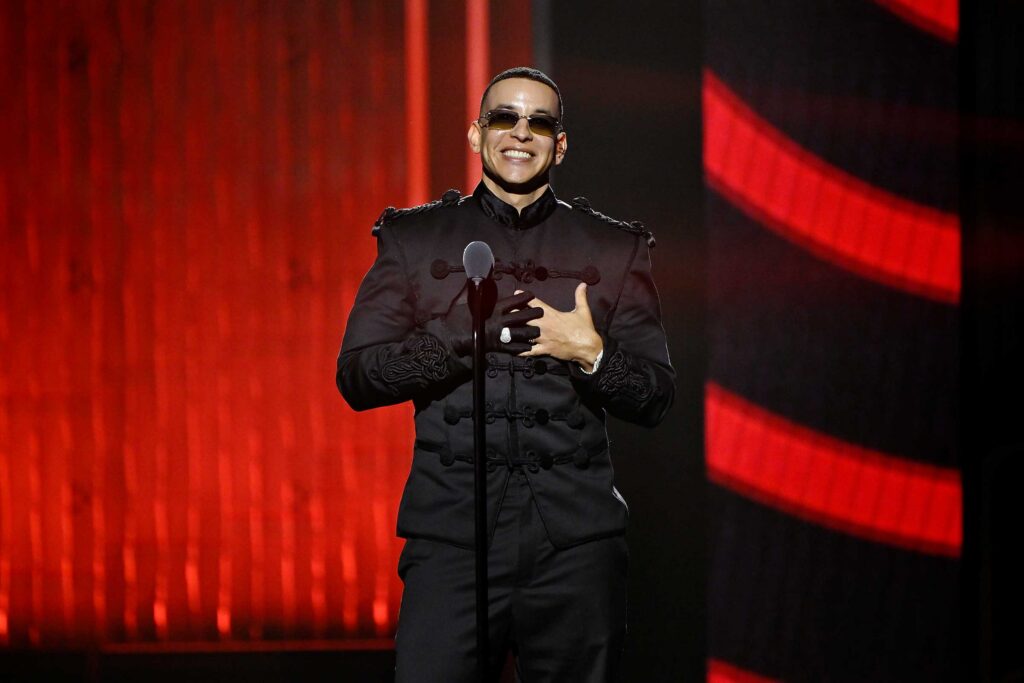
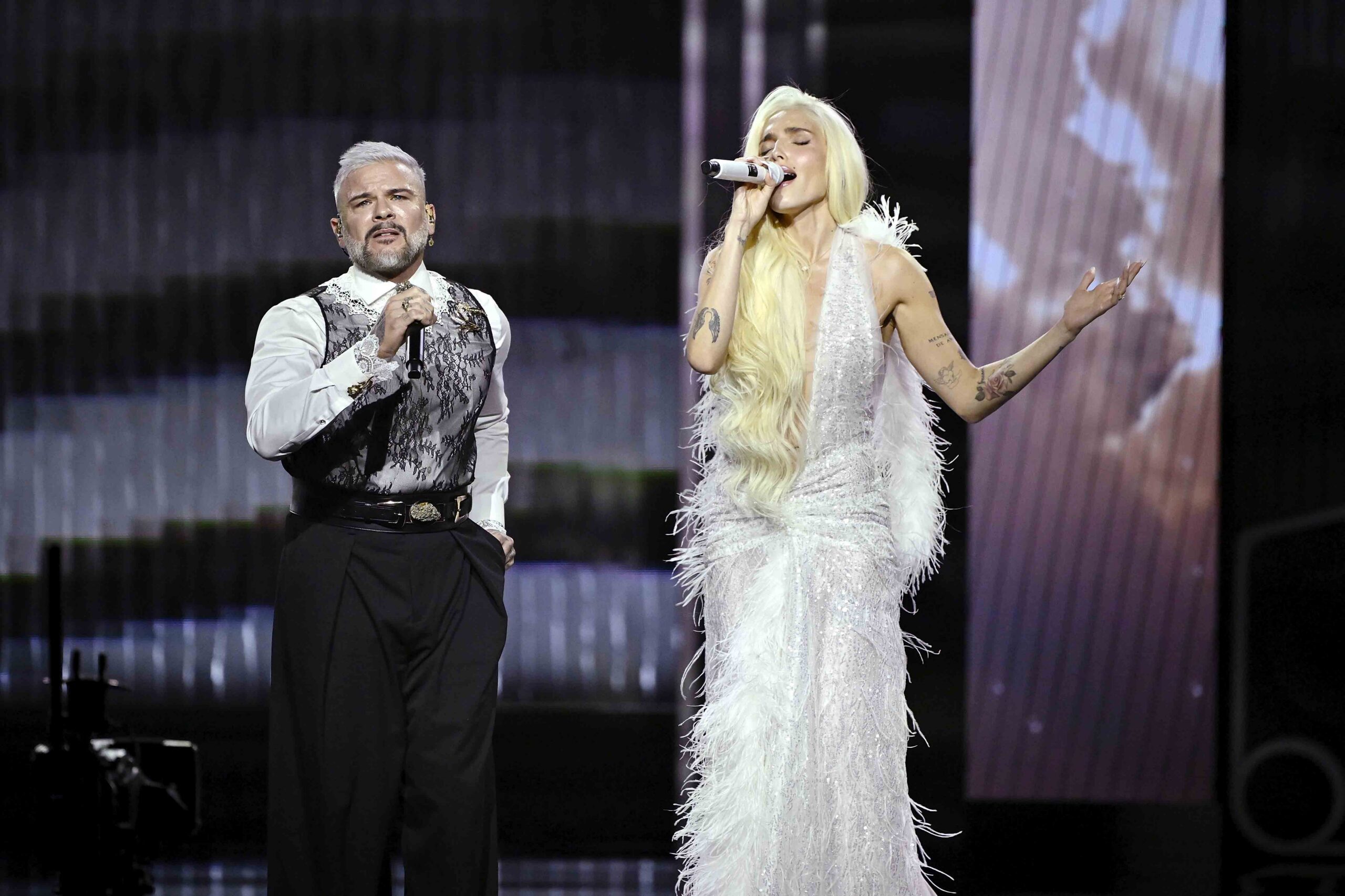
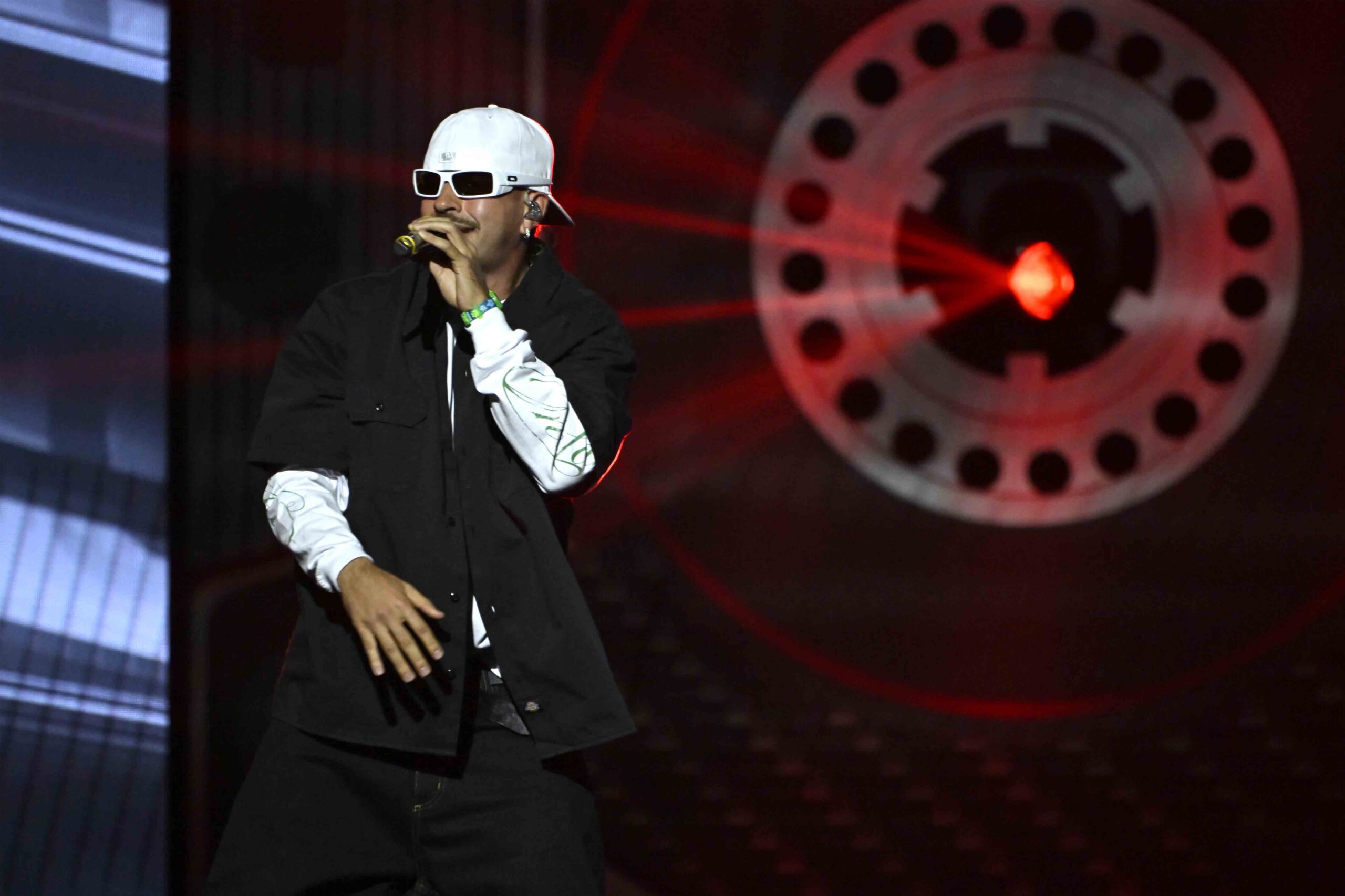
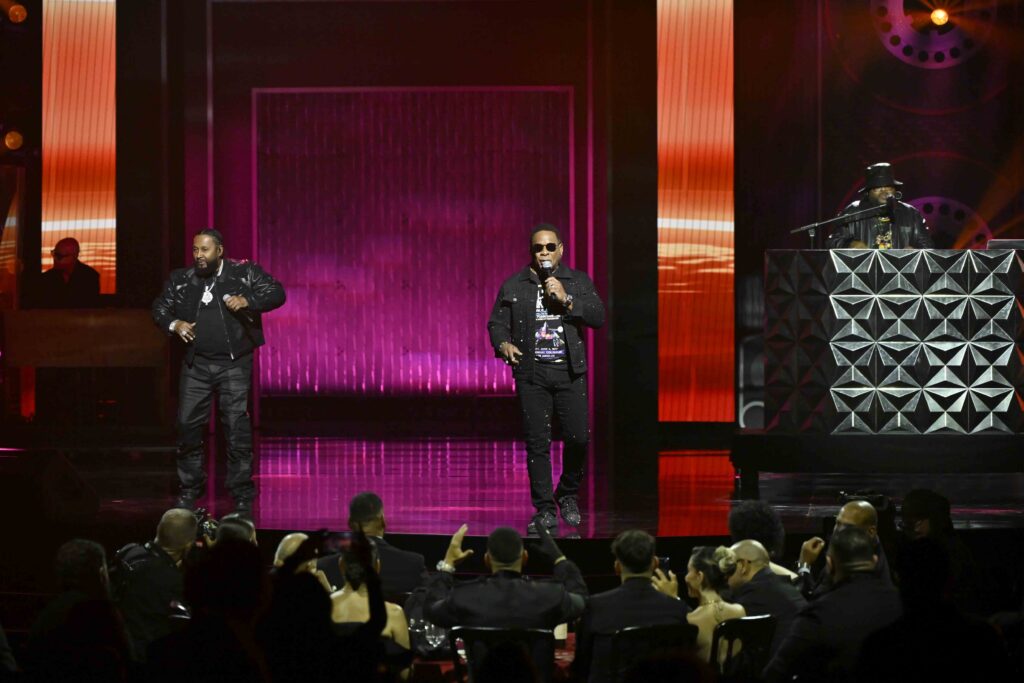
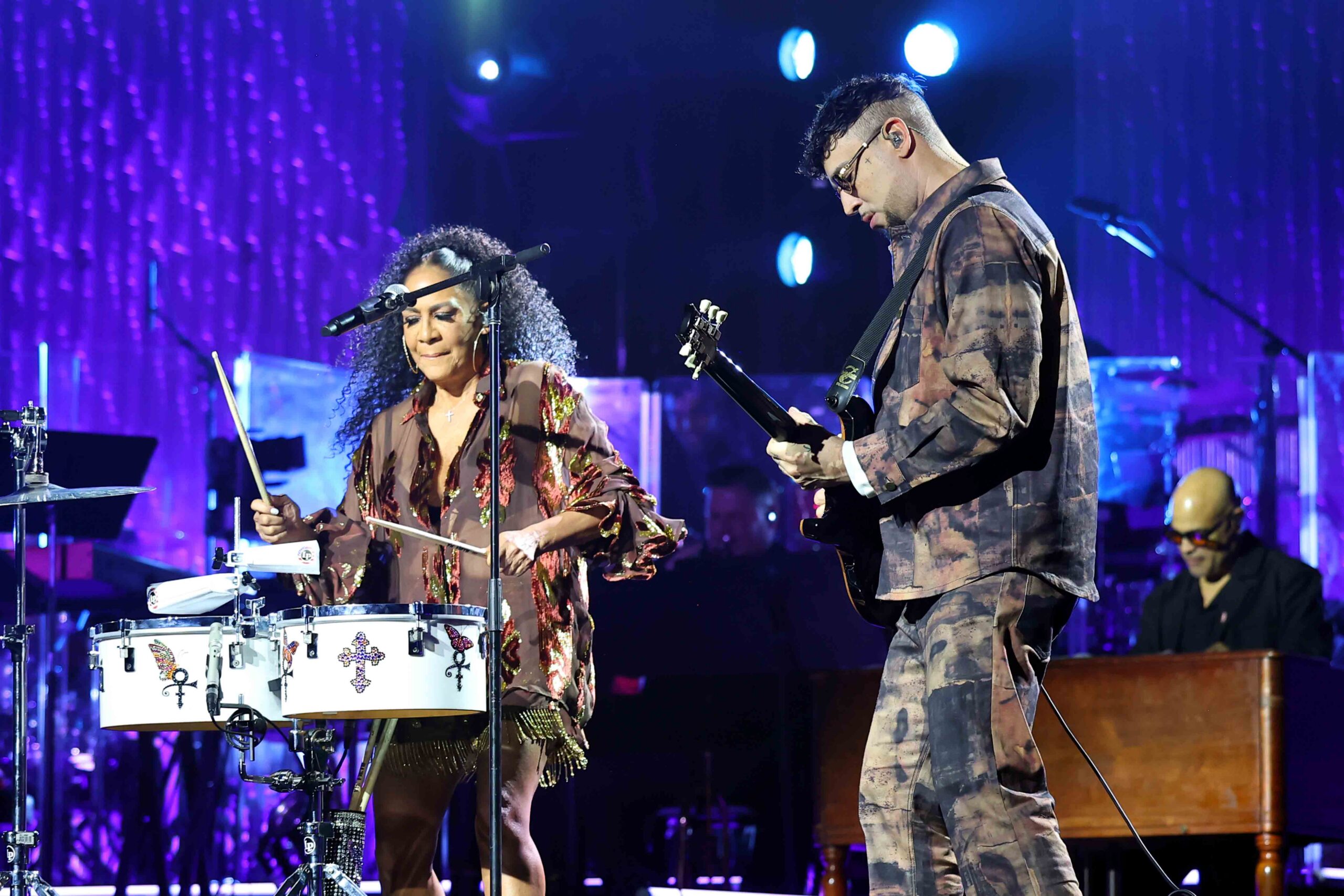
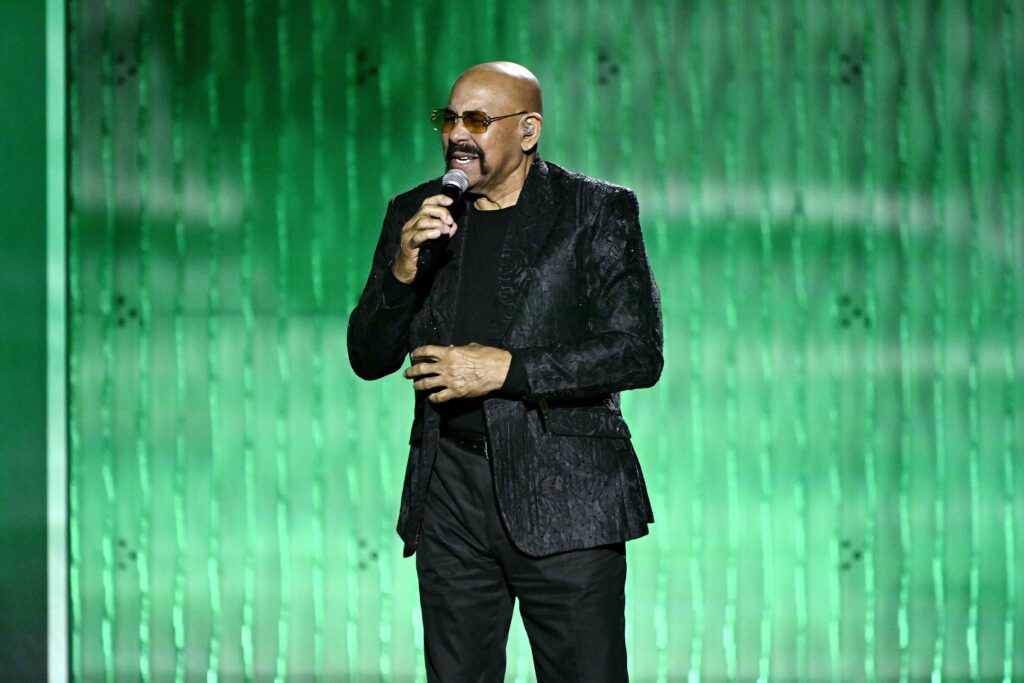
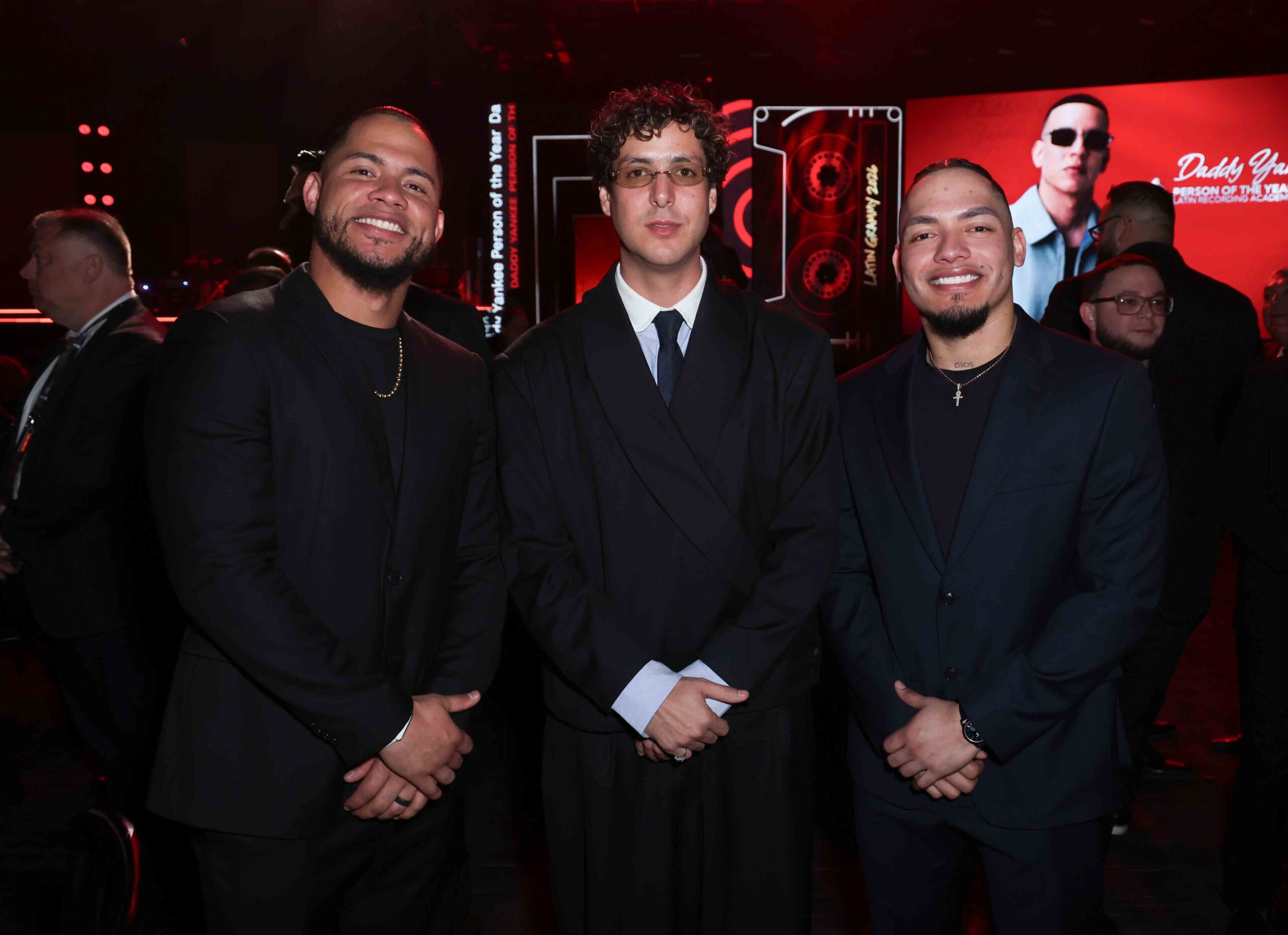
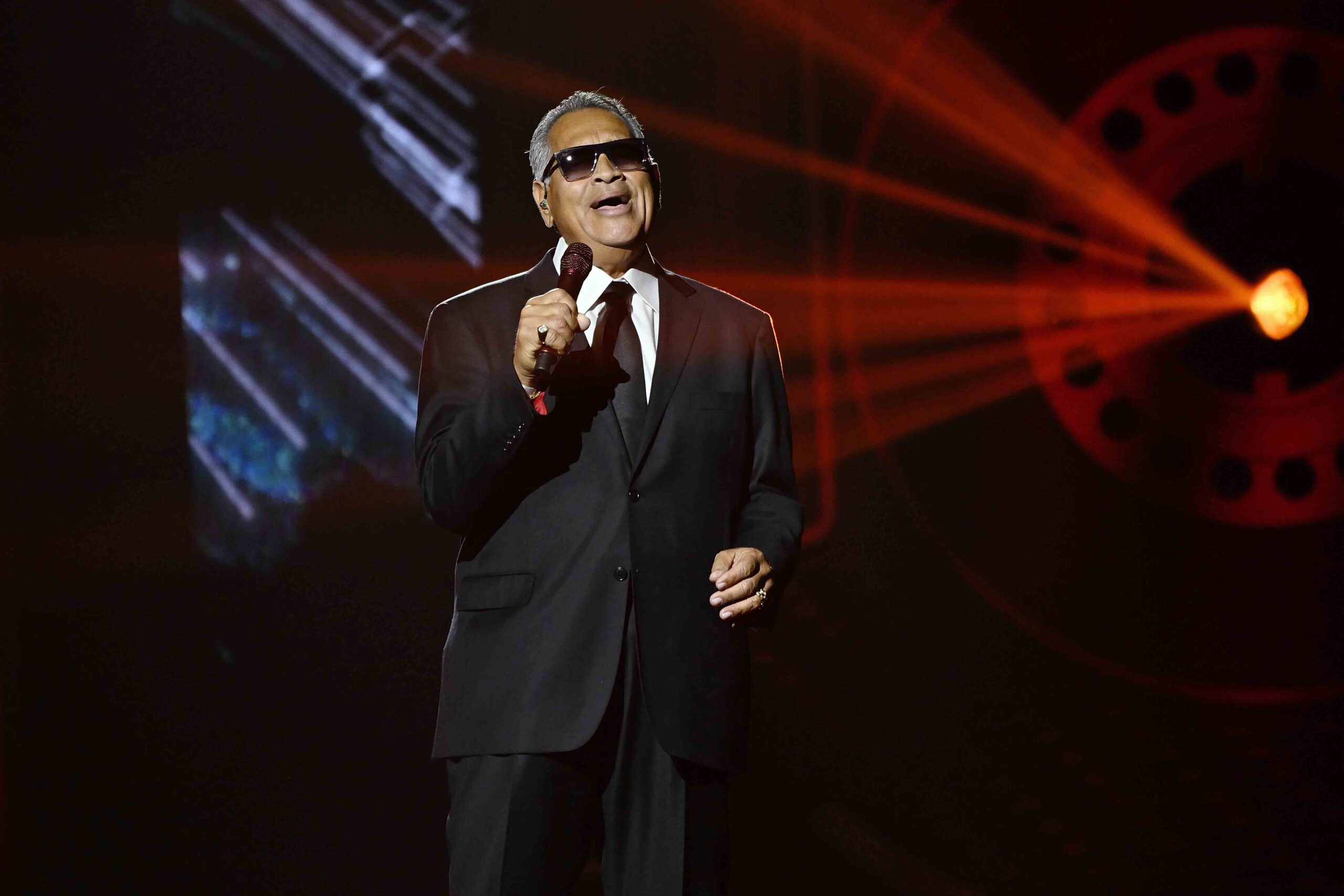
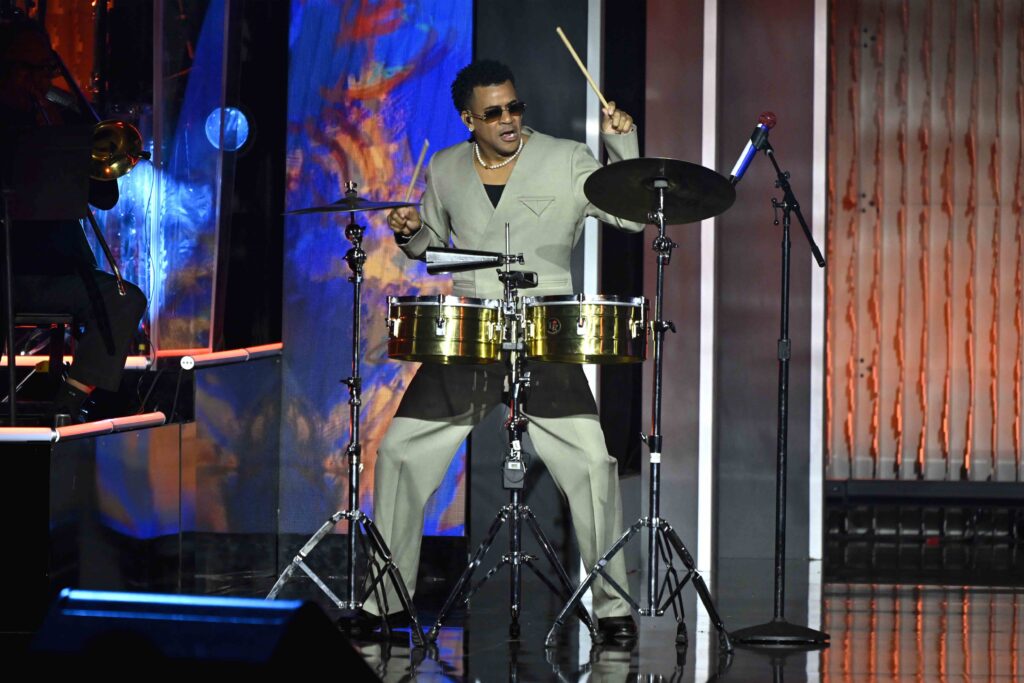
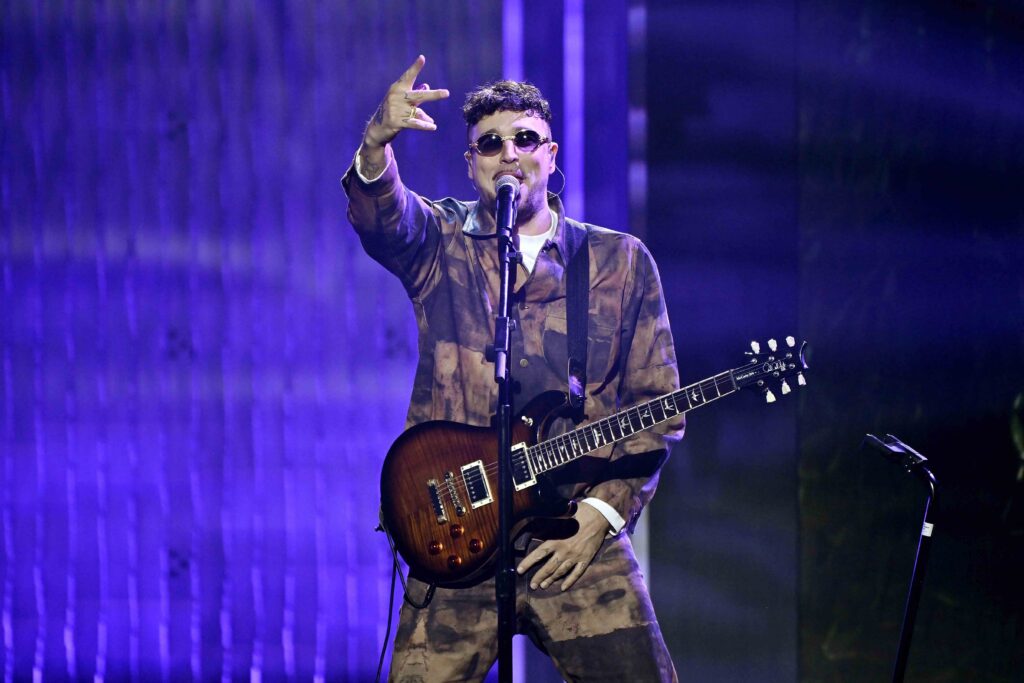
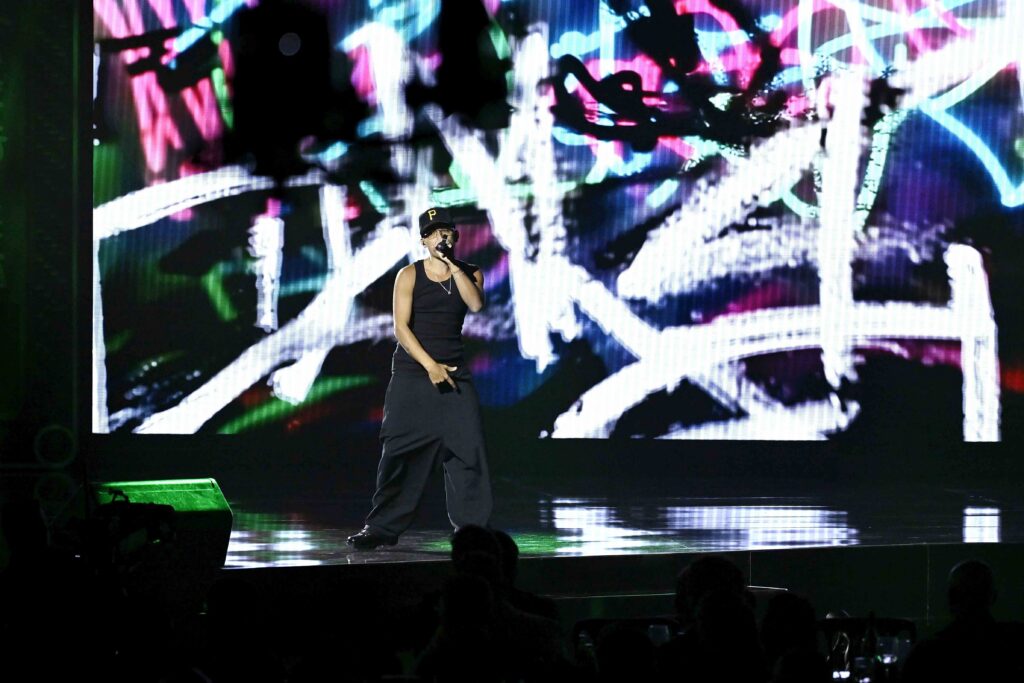
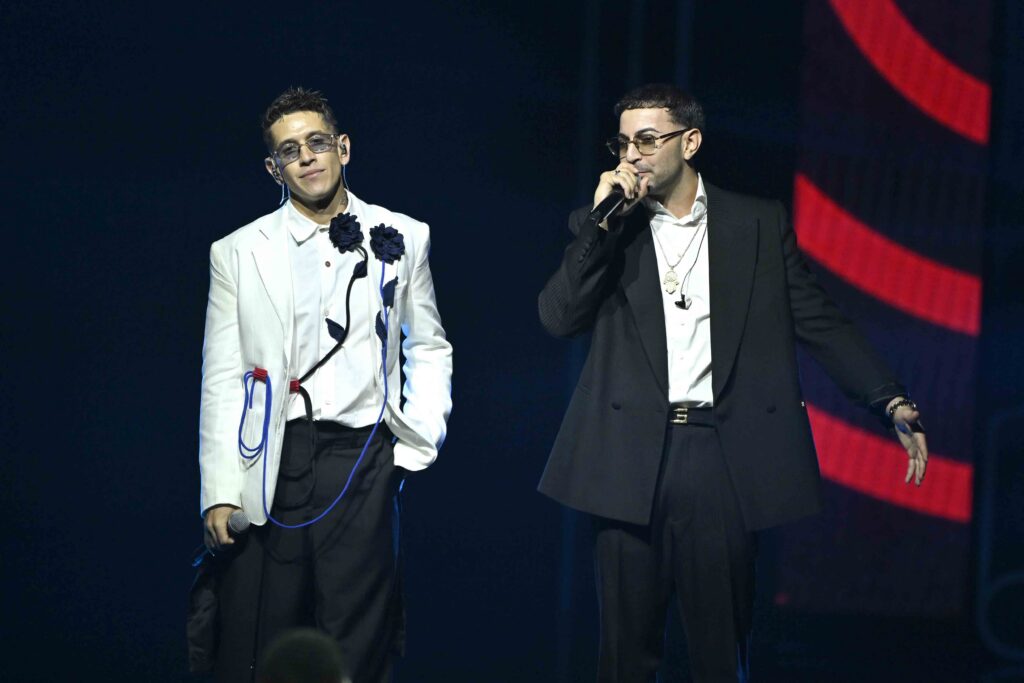
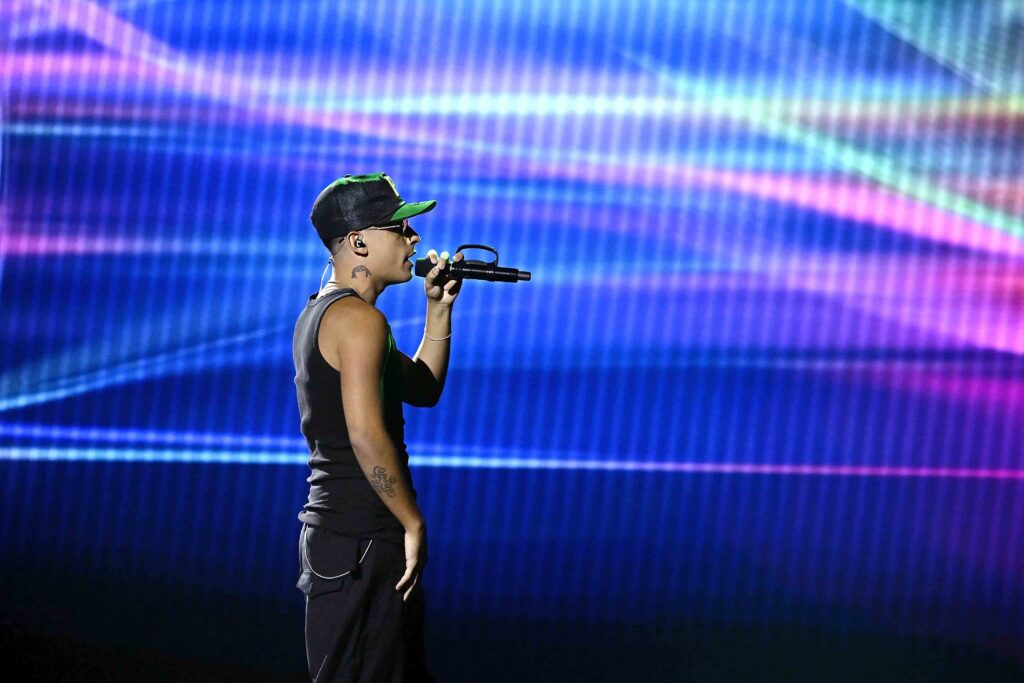
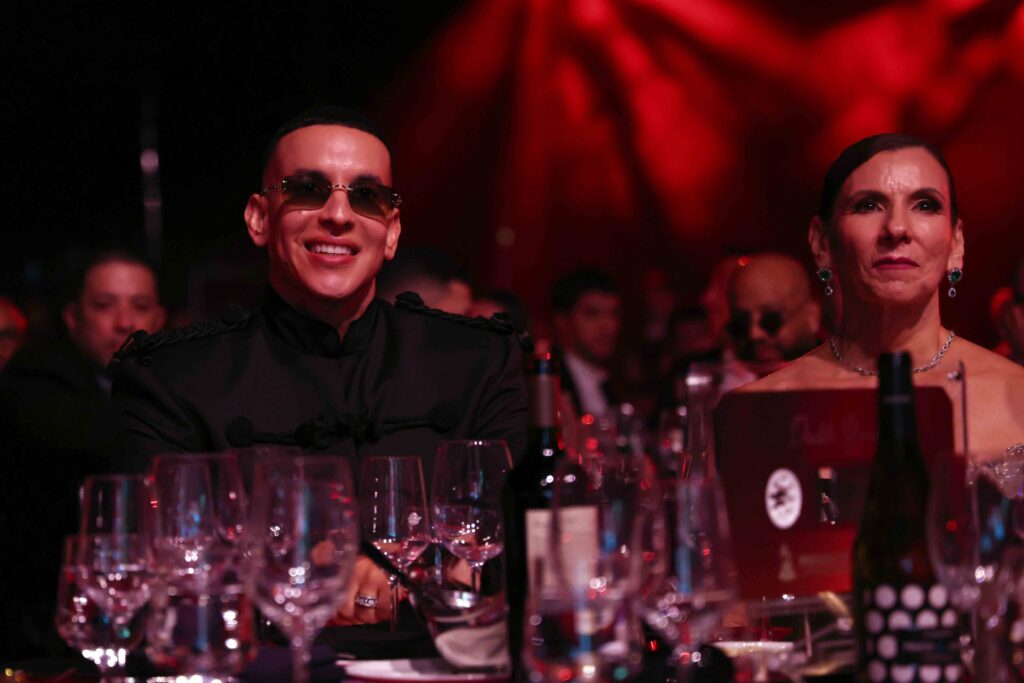
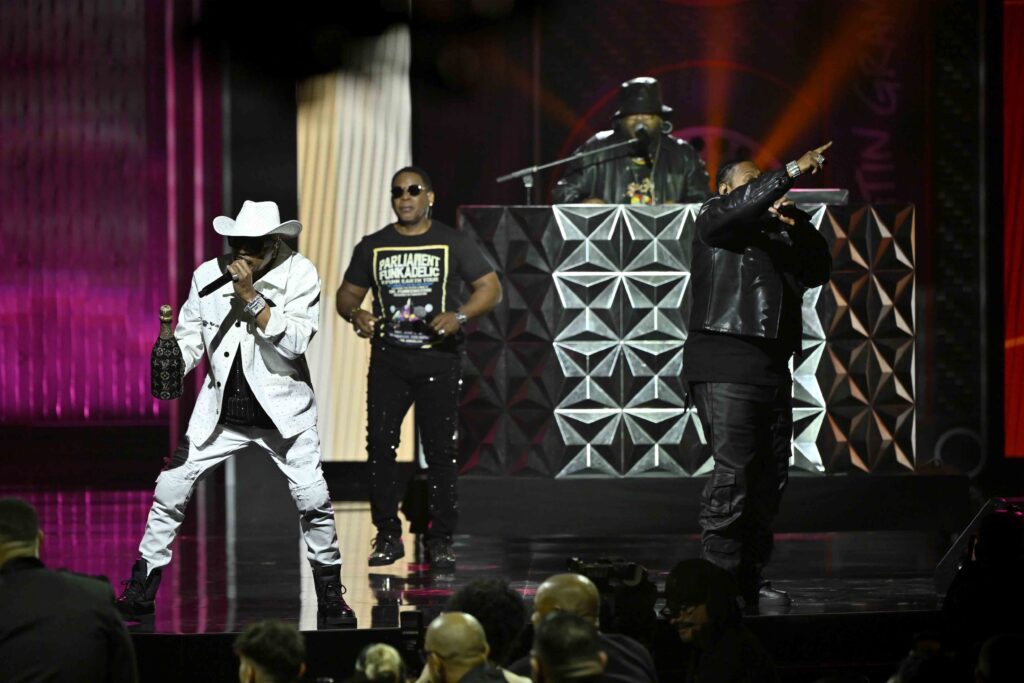
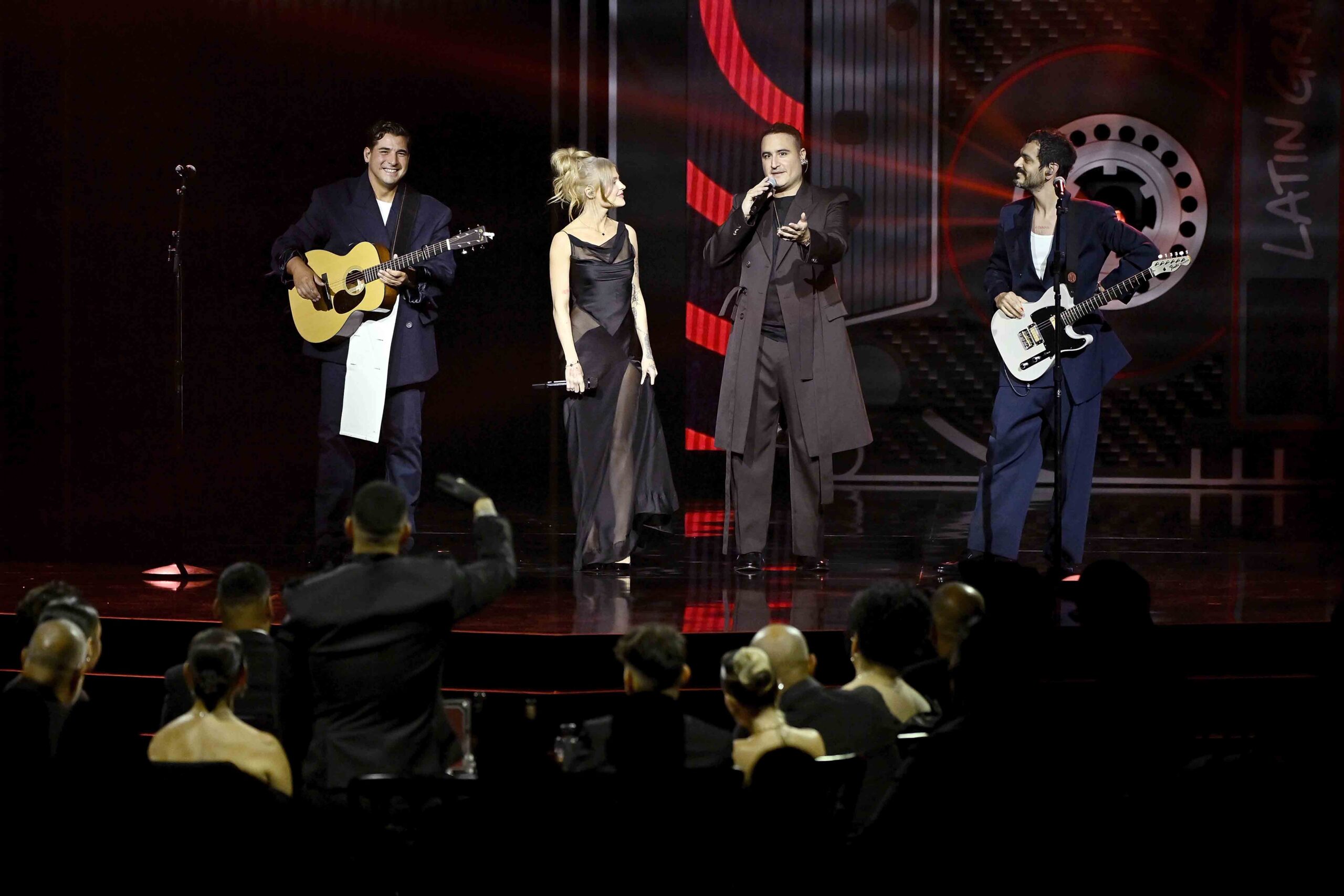
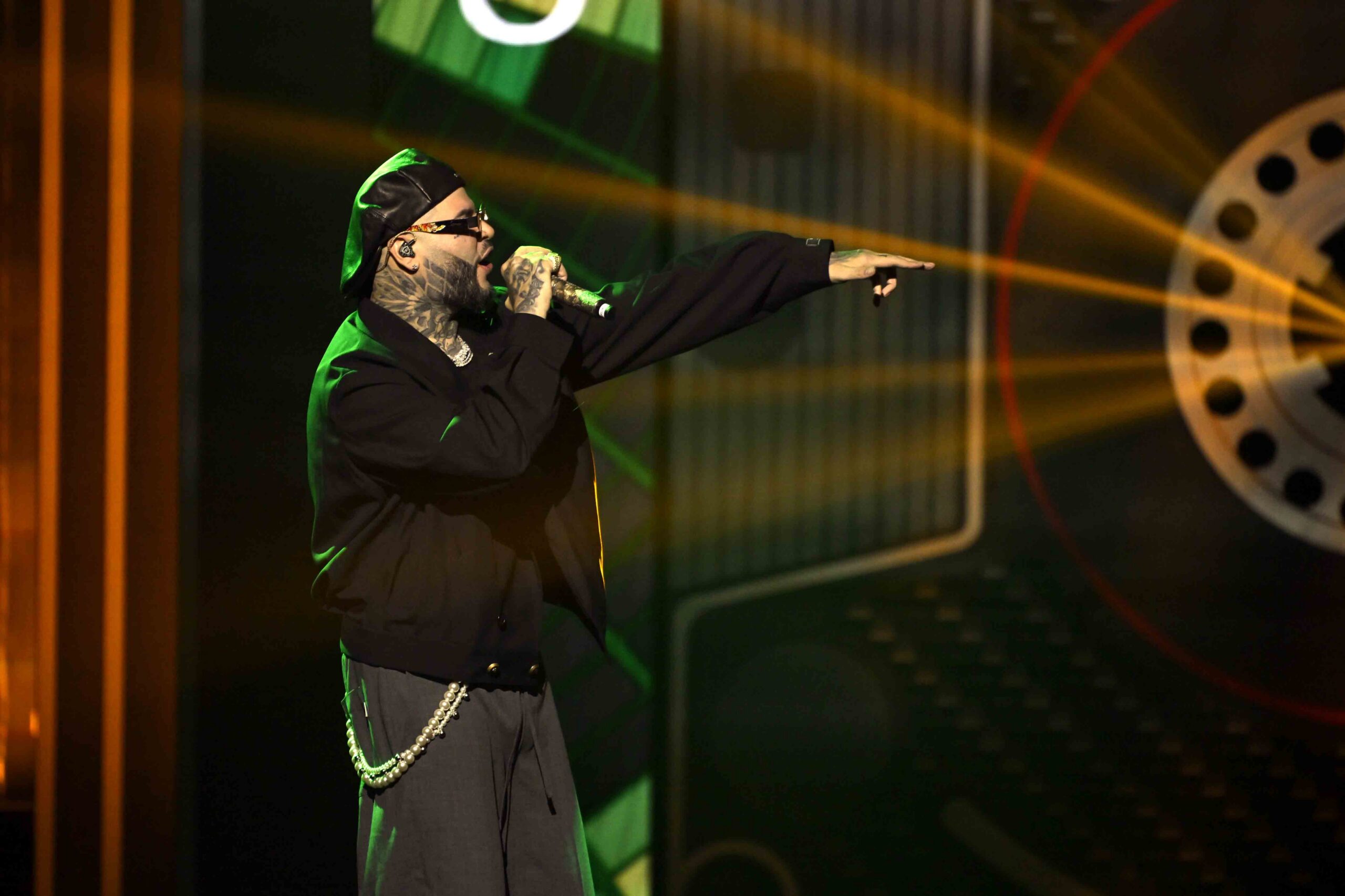
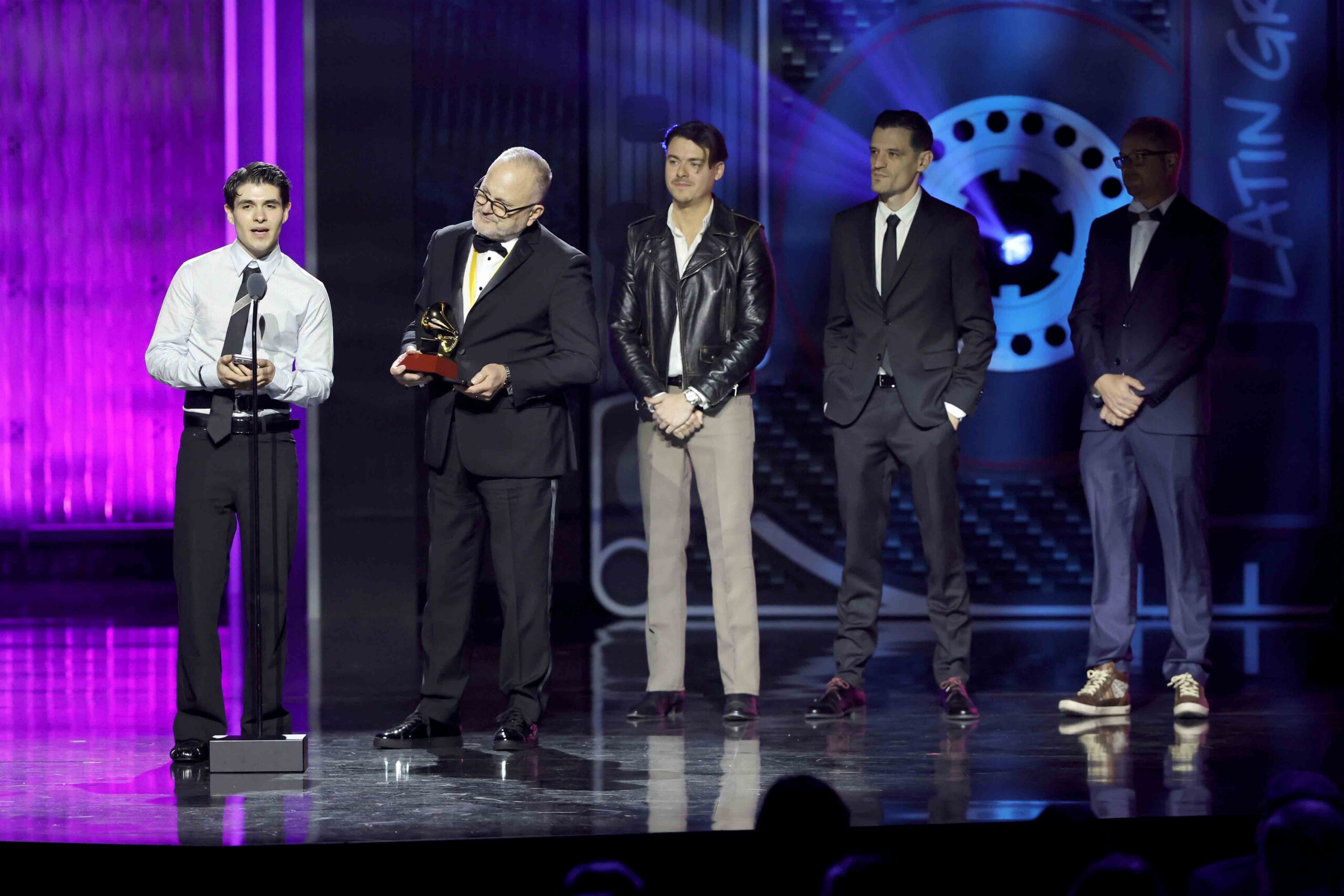
LAS VEGAS, NEVADA – NOVEMBER 11: J Noa performs onstage during The Latin Recording Academy 2026 Person of the Year Gala Honoring Daddy Yankee at MGM Grand Conference Center on November 11, 2026 in Las Vegas, Nevada. (Photo by Leon Bennett/Getty Images for The Latin Recording Academy)LAS VEGAS, NEVADA – NOVEMBER 11: (L-R) Daddy Yankee and Rosa Rodríguez attend The Latin Recording Academy 2026 Person of the Year Gala Honoring Daddy Yankee at MGM Grand Conference Center on November 11, 2026 in Las Vegas, Nevada. (Photo by John Parra/Getty Images for The Latin Recording Academy)LAS VEGAS, NEVADA – NOVEMBER 11: (L-R) Alex Zurdo and Milly Quezada perform onstage during The Latin Recording Academy 2026 Person of the Year Gala Honoring Daddy Yankee at MGM Grand Conference Center on November 11, 2026 in Las Vegas, Nevada. (Photo by David Becker/Getty Images for The Latin Recording Academy)LAS VEGAS, NEVADA – NOVEMBER 11: Gente de Zona perform onstage during The Latin Recording Academy 2026 Person of the Year Gala Honoring Daddy Yankee at MGM Grand Conference Center on November 11, 2026 in Las Vegas, Nevada. (Photo by David Becker/Getty Images for The Latin Recording Academy)LAS VEGAS, NEVADA – NOVEMBER 11: Justin Quiles performs onstage during The Latin Recording Academy 2026 Person of the Year Gala Honoring Daddy Yankee at MGM Grand Conference Center on November 11, 2026 in Las Vegas, Nevada. (Photo by David Becker/Getty Images for The Latin Recording Academy)LAS VEGAS, NEVADA – NOVEMBER 11: Nathy Peluso performs onstage during The Latin Recording Academy 2026 Person of the Year Gala Honoring Daddy Yankee at MGM Grand Conference Center on November 11, 2026 in Las Vegas, Nevada. (Photo by Leon Bennett/Getty Images for The Latin Recording Academy)LAS VEGAS, NEVADA – NOVEMBER 11: (L-R Luis Villamizar, Feid, Willson Contreras and William Contreras attend The Latin Recording Academy 2026 Person of the Year Gala Honoring Daddy Yankee at MGM Grand Conference Center on November 11, 2026 in Las Vegas, Nevada. (Photo by John Parra/Getty Images for The Latin Recording Academy)LAS VEGAS, NEVADA – NOVEMBER 11: Gente de Zona perform onstage during The Latin Recording Academy 2026 Person of the Year Gala Honoring Daddy Yankee at MGM Grand Conference Center on November 11, 2026 in Las Vegas, Nevada. (Photo by David Becker/Getty Images for The Latin Recording Academy)LAS VEGAS, NEVADA – NOVEMBER 11: (L-R) Sheila E. and Dante Spinetta perform onstage during The Latin Recording Academy 2026 Person of the Year Gala Honoring Daddy Yankee at MGM Grand Conference Center on November 11, 2026 in Las Vegas, Nevada. (Photo by David Becker/Getty Images for The Latin Recording Academy)LAS VEGAS, NEVADA – NOVEMBER 11: Tito el Bambino performs onstage during The Latin Recording Academy 2026 Person of the Year Gala Honoring Daddy Yankee at MGM Grand Conference Center on November 11, 2026 in Las Vegas, Nevada. (Photo by David Becker/Getty Images for The Latin Recording Academy)LAS VEGAS, NEVADA – NOVEMBER 11: Tito Nieves performs onstage during The Latin Recording Academy 2026 Person of the Year Gala Honoring Daddy Yankee at MGM Grand Conference Center on November 11, 2026 in Las Vegas, Nevada. (Photo by Leon Bennett/Getty Images for The Latin Recording Academy)LAS VEGAS, NEVADA – NOVEMBER 11: (L-R) Alex Zurdo and Milly Quezada perform onstage during The Latin Recording Academy 2026 Person of the Year Gala Honoring Daddy Yankee at MGM Grand Conference Center on November 11, 2026 in Las Vegas, Nevada. (Photo by David Becker/Getty Images for The Latin Recording Academy)LAS VEGAS, NEVADA – NOVEMBER 11: (L-R) Beto Montenegro and Farruko perform onstage during The Latin Recording Academy 2026 Person of the Year Gala Honoring Daddy Yankee at MGM Grand Conference Center on November 11, 2026 in Las Vegas, Nevada. (Photo by David Becker/Getty Images for The Latin Recording Academy)LAS VEGAS, NEVADA – NOVEMBER 11: (L-R) Jesús Navarro and Luísa Sonza perform onstage during The Latin Recording Academy 2026 Person of the Year Gala Honoring Daddy Yankee at MGM Grand Conference Center on November 11, 2026 in Las Vegas, Nevada. (Photo by David Becker/Getty Images for The Latin Recording Academy)LAS VEGAS, NEVADA – NOVEMBER 11: (L-R) Sheila E. and Dante Spinetta perform onstage during The Latin Recording Academy 2026 Person of the Year Gala Honoring Daddy Yankee at MGM Grand Conference Center on November 11, 2026 in Las Vegas, Nevada. (Photo by David Becker/Getty Images for The Latin Recording Academy)LAS VEGAS, NEVADA – NOVEMBER 11: Anthony Ramos performs onstage during The Latin Recording Academy 2026 Person of the Year Gala Honoring Daddy Yankee at MGM Grand Conference Center on November 11, 2026 in Las Vegas, Nevada. (Photo by David Becker/Getty Images for The Latin Recording Academy)LAS VEGAS, NEVADA – NOVEMBER 11: (L-R) Pedro Capó and Elena Rose perform onstage during The Latin Recording Academy 2026 Person of the Year Gala Honoring Daddy Yankee at MGM Grand Conference Center on November 11, 2026 in Las Vegas, Nevada. (Photo by David Becker/Getty Images for The Latin Recording Academy)LAS VEGAS, NEVADA – NOVEMBER 11: Manuel Abud, CEO, The Latin Recording Academy, speaks onstage during The Latin Recording Academy 2026 Person of the Year Gala Honoring Daddy Yankee at MGM Grand Conference Center on November 11, 2026 in Las Vegas, Nevada. (Photo by David Becker/Getty Images for The Latin Recording Academy)LAS VEGAS, NEVADA – NOVEMBER 11: (L-R) Jowell, Randy, Tito El Bambino, Feid and Trueno perform onstage during The Latin Recording Academy 2026 Person of the Year Gala Honoring Daddy Yankee at MGM Grand Conference Center on November 11, 2026 in Las Vegas, Nevada. (Photo by David Becker/Getty Images for The Latin Recording Academy)LAS VEGAS, NEVADA – NOVEMBER 11: (L-R) Oscar D’León, Tito Nieves, and Nathy Peluso perform onstage during The Latin Recording Academy 2026 Person of the Year Gala Honoring Daddy Yankee at MGM Grand Conference Center on November 11, 2026 in Las Vegas, Nevada. (Photo by David Becker/Getty Images for The Latin Recording Academy)LAS VEGAS, NEVADA – NOVEMBER 11: (L-R) Jowell and Randy perform onstage during The Latin Recording Academy 2026 Person of the Year Gala Honoring Daddy Yankee at MGM Grand Conference Center on November 11, 2026 in Las Vegas, Nevada. (Photo by David Becker/Getty Images for The Latin Recording Academy)LAS VEGAS, NEVADA – NOVEMBER 11: Pedro Capó performs onstage during The Latin Recording Academy 2026 Person of the Year Gala Honoring Daddy Yankee at MGM Grand Conference Center on November 11, 2026 in Las Vegas, Nevada. (Photo by Leon Bennett/Getty Images for The Latin Recording Academy)LAS VEGAS, NEVADA – NOVEMBER 11: Feid performs onstage during The Latin Recording Academy 2026 Person of the Year Gala Honoring Daddy Yankee at MGM Grand Conference Center on November 11, 2026 in Las Vegas, Nevada. (Photo by David Becker/Getty Images for The Latin Recording Academy)LAS VEGAS, NEVADA – NOVEMBER 11: (L-R) Barshon, Master Gee, and T Dynasty of The Sugarhill Gang perform onstage during The Latin Recording Academy 2026 Person of the Year Gala Honoring Daddy Yankee at MGM Grand Conference Center on November 11, 2026 in Las Vegas, Nevada. (Photo by David Becker/Getty Images for The Latin Recording Academy)LAS VEGAS, NEVADA – NOVEMBER 11: (L-R) Alexander Delgado and Randy Malcom Martinez of Gente de Zona perform onstage during The Latin Recording Academy 2026 Person of the Year Gala Honoring Daddy Yankee at MGM Grand Conference Center on November 11, 2026 in Las Vegas, Nevada. (Photo by John Parra/Getty Images for The Latin Recording Academy)LAS VEGAS, NEVADA – NOVEMBER 11: (L-R) Sheila E. and Dante Spinetta perform onstage during The Latin Recording Academy 2026 Person of the Year Gala Honoring Daddy Yankee at MGM Grand Conference Center on November 11, 2026 in Las Vegas, Nevada. (Photo by Leon Bennett/Getty Images for The Latin Recording Academy)LAS VEGAS, NEVADA – NOVEMBER 11: (L-R) Manuel Abud, CEO, The Latin Recording Academy, and honoree Daddy Yankee speak onstage during The Latin Recording Academy 2026 Person of the Year Gala Honoring Daddy Yankee at MGM Grand Conference Center on November 11, 2026 in Las Vegas, Nevada. (Photo by David Becker/Getty Images for The Latin Recording Academy)LAS VEGAS, NEVADA – NOVEMBER 11: (L-R) Joel Muñoz Martínez and Randy Ortiz Acevedo of Jowell & Randy perform onstage during The Latin Recording Academy 2026 Person of the Year Gala Honoring Daddy Yankee at MGM Grand Conference Center on November 11, 2026 in Las Vegas, Nevada. (Photo by John Parra/Getty Images for The Latin Recording Academy)LAS VEGAS, NEVADA – NOVEMBER 11: (L-R) Karen Doggenweiler, Daddy Yankee, Rafael Araneda and Kapo attend The Latin Recording Academy 2026 Person of the Year Gala Honoring Daddy Yankee at MGM Grand Conference Center on November 11, 2026 in Las Vegas, Nevada. (Photo by John Parra/Getty Images for The Latin Recording Academy)LAS VEGAS, NEVADA – NOVEMBER 11: Farruko performs onstage during The Latin Recording Academy 2026 Person of the Year Gala Honoring Daddy Yankee at MGM Grand Conference Center on November 11, 2026 in Las Vegas, Nevada. (Photo by Leon Bennett/Getty Images for The Latin Recording Academy)LAS VEGAS, NEVADA – NOVEMBER 11: J Balvin performs onstage during The Latin Recording Academy 2026 Person of the Year Gala Honoring Daddy Yankee at MGM Grand Conference Center on November 11, 2026 in Las Vegas, Nevada. (Photo by David Becker/Getty Images for The Latin Recording Academy)LAS VEGAS, NEVADA – NOVEMBER 11: Anthony Ramos performs onstage during The Latin Recording Academy 2026 Person of the Year Gala Honoring Daddy Yankee at MGM Grand Conference Center on November 11, 2026 in Las Vegas, Nevada. (Photo by David Becker/Getty Images for The Latin Recording Academy)LAS VEGAS, NEVADA – NOVEMBER 11: Oscar D’León performs onstage during The Latin Recording Academy 2026 Person of the Year Gala Honoring Daddy Yankee at MGM Grand Conference Center on November 11, 2026 in Las Vegas, Nevada. (Photo by David Becker/Getty Images for The Latin Recording Academy)LAS VEGAS, NEVADA – NOVEMBER 11: (L-R) Willson Contreras, Beto Montenegro and William Contreras attend The Latin Recording Academy 2026 Person of the Year Gala Honoring Daddy Yankee at MGM Grand Conference Center on November 11, 2026 in Las Vegas, Nevada. (Photo by John Parra/Getty Images for The Latin Recording Academy)LAS VEGAS, NEVADA – NOVEMBER 11: (L-R) Pedro Capó and Elena Rose perform onstage during The Latin Recording Academy 2026 Person of the Year Gala Honoring Daddy Yankee at MGM Grand Conference Center on November 11, 2026 in Las Vegas, Nevada. (Photo by John Parra/Getty Images for The Latin Recording Academy)LAS VEGAS, NEVADA – NOVEMBER 11: (L-R) Beto Montenegro, Farruko and Kapo perform onstage during The Latin Recording Academy 2026 Person of the Year Gala Honoring Daddy Yankee at MGM Grand Conference Center on November 11, 2026 in Las Vegas, Nevada. (Photo by John Parra/Getty Images for The Latin Recording Academy)LAS VEGAS, NEVADA – NOVEMBER 11: Tito Nieves performs onstage during The Latin Recording Academy 2026 Person of the Year Gala Honoring Daddy Yankee at MGM Grand Conference Center on November 11, 2026 in Las Vegas, Nevada. (Photo by David Becker/Getty Images for The Latin Recording Academy)LAS VEGAS, NEVADA – NOVEMBER 11: Gente de Zona perform onstage during The Latin Recording Academy 2026 Person of the Year Gala Honoring Daddy Yankee at MGM Grand Conference Center on November 11, 2026 in Las Vegas, Nevada. (Photo by David Becker/Getty Images for The Latin Recording Academy)LAS VEGAS, NEVADA – NOVEMBER 11: Dante Spinetta speaks onstage during The Latin Recording Academy 2026 Person of the Year Gala Honoring Daddy Yankee at MGM Grand Conference Center on November 11, 2026 in Las Vegas, Nevada. (Photo by David Becker/Getty Images for The Latin Recording Academy)LAS VEGAS, NEVADA – NOVEMBER 11: DJ Playero performs onstage during The Latin Recording Academy 2026 Person of the Year Gala Honoring Daddy Yankee at MGM Grand Conference Center on November 11, 2026 in Las Vegas, Nevada. (Photo by David Becker/Getty Images for The Latin Recording Academy)LAS VEGAS, NEVADA – NOVEMBER 11: Trueno performs onstage during The Latin Recording Academy 2026 Person of the Year Gala Honoring Daddy Yankee at MGM Grand Conference Center on November 11, 2026 in Las Vegas, Nevada. (Photo by David Becker/Getty Images for The Latin Recording Academy)LAS VEGAS, NEVADA – NOVEMBER 11: (L-R) Lenny Tavárez and Justin Quiles perform onstage during The Latin Recording Academy 2026 Person of the Year Gala Honoring Daddy Yankee at MGM Grand Conference Center on November 11, 2026 in Las Vegas, Nevada. (Photo by David Becker/Getty Images for The Latin Recording Academy)LAS VEGAS, NEVADA – NOVEMBER 11: (L-R) Beto Montenegro, Farruko, and Kapo perform onstage during The Latin Recording Academy 2026 Person of the Year Gala Honoring Daddy Yankee at MGM Grand Conference Center on November 11, 2026 in Las Vegas, Nevada. (Photo by David Becker/Getty Images for The Latin Recording Academy)LAS VEGAS, NEVADA – NOVEMBER 11: Trueno performs onstage during The Latin Recording Academy 2026 Person of the Year Gala Honoring Daddy Yankee at MGM Grand Conference Center on November 11, 2026 in Las Vegas, Nevada. (Photo by David Becker/Getty Images for The Latin Recording Academy)LAS VEGAS, NEVADA – NOVEMBER 11: (L-R) Daddy Yankee and Rosa Rodriguez attend The Latin Recording Academy 2026 Person of the Year Gala Honoring Daddy Yankee at MGM Grand Conference Center on November 11, 2026 in Las Vegas, Nevada. (Photo by John Parra/Getty Images for The Latin Recording Academy)LAS VEGAS, NEVADA – NOVEMBER 11: (L-R) Hen Dogg, Master Gee, T Dynasty, and Barshon of The Sugarhill Gang perform onstage during The Latin Recording Academy 2026 Person of the Year Gala Honoring Daddy Yankee at MGM Grand Conference Center on November 11, 2026 in Las Vegas, Nevada. (Photo by David Becker/Getty Images for The Latin Recording Academy)LAS VEGAS, NEVADA – NOVEMBER 11: (L-R) Julio Ramírez, Luísa Sonza, Jesús Navarro and Bibi Marín perform onstage during The Latin Recording Academy 2026 Person of the Year Gala Honoring Daddy Yankee at MGM Grand Conference Center on November 11, 2026 in Las Vegas, Nevada. (Photo by David Becker/Getty Images for The Latin Recording Academy)LAS VEGAS, NEVADA – NOVEMBER 11: (L-R) Honoree Daddy Yankee and LL Cool J speak onstage during The Latin Recording Academy 2026 Person of the Year Gala Honoring Daddy Yankee at MGM Grand Conference Center on November 11, 2026 in Las Vegas, Nevada. (Photo by David Becker/Getty Images for The Latin Recording Academy)LAS VEGAS, NEVADA – NOVEMBER 11: Farruko performs onstage during The Latin Recording Academy 2026 Person of the Year Gala Honoring Daddy Yankee at MGM Grand Conference Center on November 11, 2026 in Las Vegas, Nevada. (Photo by David Becker/Getty Images for The Latin Recording Academy)
Milly Quezada and Alex Zurdo joined forces for “ABCD/Bonita,” while Pablo Alborán and Natalia Jiménez brought a pop-rock interpretation to “De Vuelta Pa’ La Vuelta.”
Justin Quiles and Lenny Tavárez revisited “Lo Que Pasó, Pasó,” and Cuban duo Gente de Zona reimagined “Sabor a Melao.”
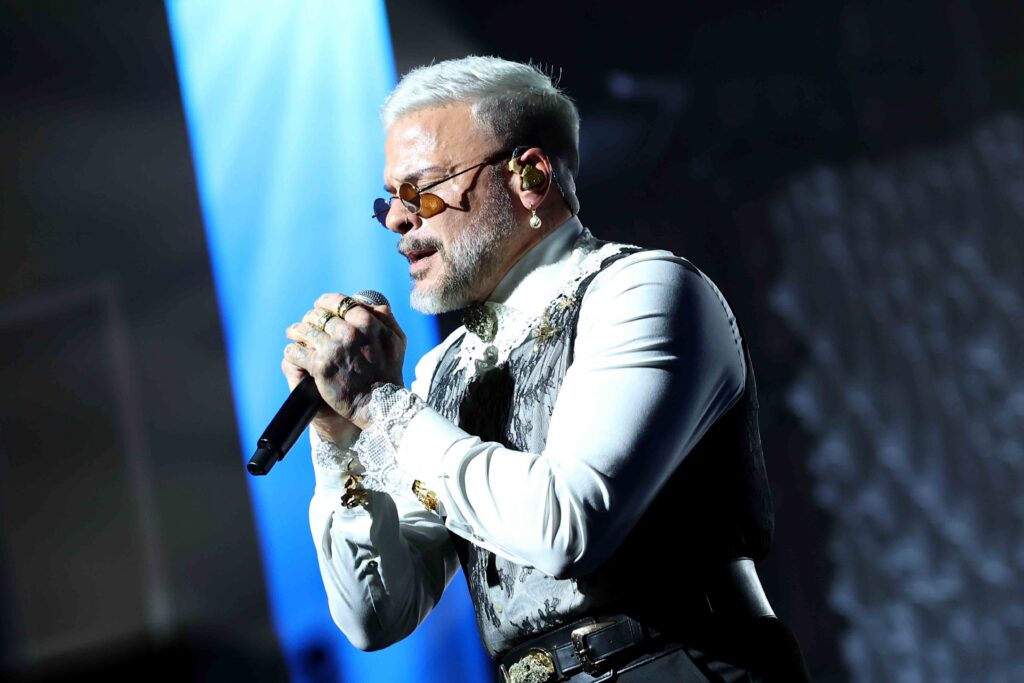
One of the evening’s more personal performances came from Pedro Capó and Elena Rose, who interpreted “Ora Por Mí,” described in the Academy’s tribute as Daddy Yankee’s most personal composition.
The variety of performances reflected a defining characteristic of Daddy Yankee’s career: his ability to move between reggaeton, dancehall, hip-hop, salsa, merengue, and mainstream Latin pop without completely abandoning the musical identity that established him.
That adaptability also helps explain his longevity. While many artists become closely associated with a particular musical era, Daddy Yankee’s catalog has remained relevant through successive changes in Latin urban music.
Hip-Hop, Salsa, and the Sounds That Influenced Daddy Yankee
The tribute also explored the musical influences that helped shape Daddy Yankee long before he became a global star.
Legendary hip-hop group The Sugarhill Gang performed “Rapper’s Delight,” a foundational hip-hop recording that Daddy Yankee has identified as an important influence.
Its inclusion connected the early development of hip-hop with the emergence of reggaeton, two movements that grew from local communities into international cultural forces.
Sheila E. and Dante Spinetta followed with a performance featuring “The Glamorous Life” and “Pasarela.” The segment began with a timbales introduction honoring Daddy Yankee’s father, a timbales player, adding a personal connection to the artist’s musical upbringing.
The celebration then moved into salsa with a segment produced by Sergio George.
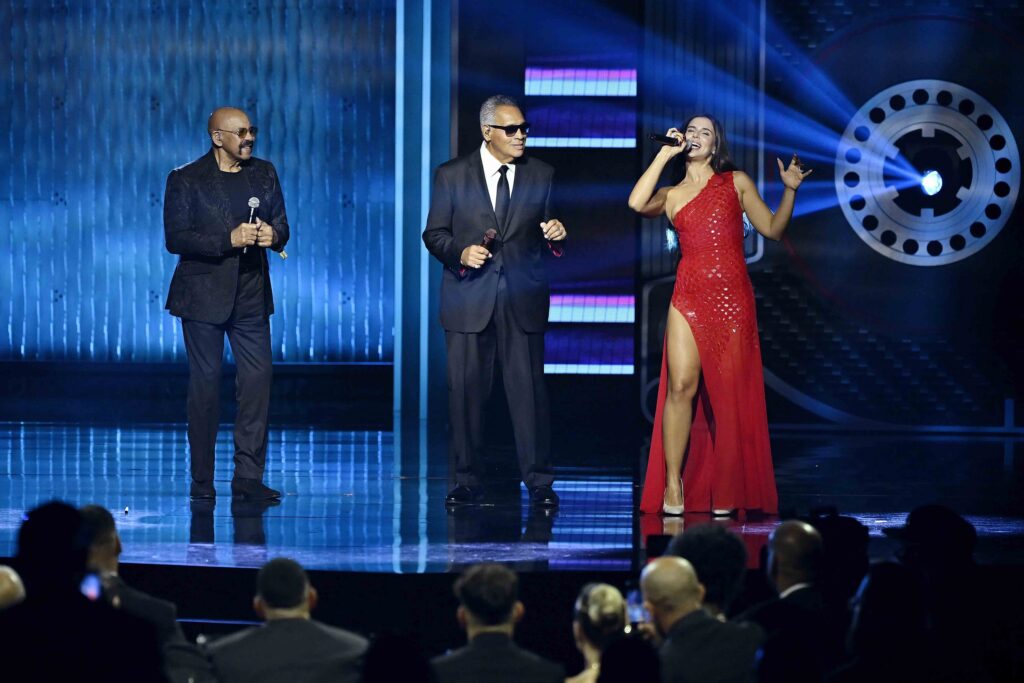
Tito Nieves performed “I Like It Like That” and “Qué Tengo Que Hacer,” while salsa legend Oscar D’León delivered “Llorarás.”
D’León was later joined by Nathy Peluso for “Despacito,” with Nieves joining toward the end of the performance.
These moments offered a broader perspective on Daddy Yankee’s musical identity.
Although reggaeton remains central to his legacy, his work also reflects the rhythmic traditions of Puerto Rico, the influence of New York’s Latin music scene, and the hip-hop culture that helped shape urban music throughout the Caribbean.
The tribute positioned Daddy Yankee not simply as an artist who popularized a genre, but as a musician whose career connects multiple chapters of Latin and American music history.
A New Generation Celebrates the Artist Who Helped Open Doors
Another defining moment came when a younger generation of Latin urban artists took the stage to celebrate Daddy Yankee’s influence.
Ryan Castro, J Noa, and Feid performed “Rompe,” while Paulo Londra delivered “Gangsta Zone” and Truenoperformed “Talento de Barrio.”
The performers eventually united for “Somos de Calle,” celebrating the street-centered identity that helped define Daddy Yankee’s earlier music.
J Balvin later appeared for a performance of “Tu Príncipe,” creating another connection between reggaeton’s breakthrough generation and the artists who helped expand its international reach during the following decade.
The significance of this lineup goes beyond a collection of recognizable names.
Daddy Yankee emerged during a period when reggaeton was fighting for mainstream acceptance. Artists such as J Balvin and Feid developed their careers in a music industry where Spanish-language urban music had already established a substantial international audience.
That contrast illustrates one of the most important aspects of Daddy Yankee’s legacy: he helped build the foundation for an industry in which subsequent generations could reach audiences across languages, borders, and musical styles.
His influence is therefore measured not only by his own recordings, but also by the opportunities and creative possibilities that followed reggaeton’s global expansion.
Daddy Yankee Returns to the Stage for an Emotional Finale
The celebration concluded with Daddy Yankee himself taking the microphone.
The Puerto Rican icon performed “Sonríele,” “BOTZ,” and “Lo Que Pasó, Pasó,” bringing the evening full circle after a tribute that revisited his beginnings, musical influences, and impact on contemporary Latin music.
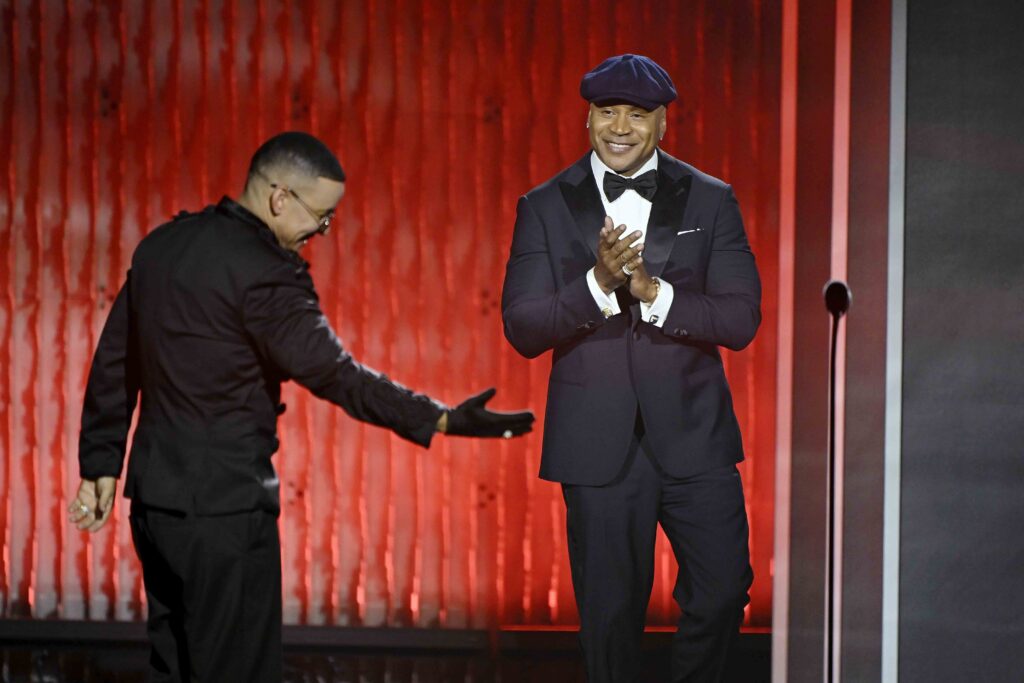
The Latin Recording Academy’s Person of the Year award was presented to Daddy Yankee by J Balvin and LL Cool J, symbolically connecting the Latin urban movement with the broader hip-hop tradition that helped influence its development.
The recognition also arrives during a distinctive chapter in Daddy Yankee’s career, following his previously announced retirement from secular music and his public embrace of a faith-centered direction.
Against that backdrop, the ceremony offered more than a retrospective of past achievements. It recognized an artist whose professional identity has evolved while the cultural impact of his earlier work continues to grow.
For the Latin music industry, the tribute reinforced the importance of preserving reggaeton’s history as the genre continues expanding into new markets and generations.
The artists who helped establish its foundations, the musicians who carried it into the mainstream, and the performers now shaping its future all shared the same stage.
That generational connection may ultimately be one of the most meaningful aspects of Daddy Yankee’s recognition.
Nearly three decades after his earliest recordings, his influence remains embedded in the sound, business, and cultural identity of contemporary Latin music.
The 2026 Person of the Year gala was executive produced by Ayleen Figueras and Macarena Moreno, with musical production by Danny Flores and musical direction by Roberto Trujillo. Live Nation served as the gala’s presenting sponsor for the third consecutive year.
The tribute took place during Latin GRAMMY Week in Las Vegas, surrounding the 27th Annual Latin GRAMMY Awards on November 12.
For Daddy Yankee, the honor represents another milestone in a career that helped change how Latin urban music is created, distributed, and experienced worldwide.
For reggaeton, it is a reminder of how far the genre has traveled — and the artists who made that journey possible.
Stay connected with LaMezcla.com for more coverage of the 2026 Latin GRAMMY Awards, exclusive artist stories, and the latest developments shaping Latin music. Discover more music, DJ mixes, and curated Latin playlists through the LaMezcla Music App.