





Kendaya Reveals the Story Behind “Plan de Dios” and His Musical Trilogy
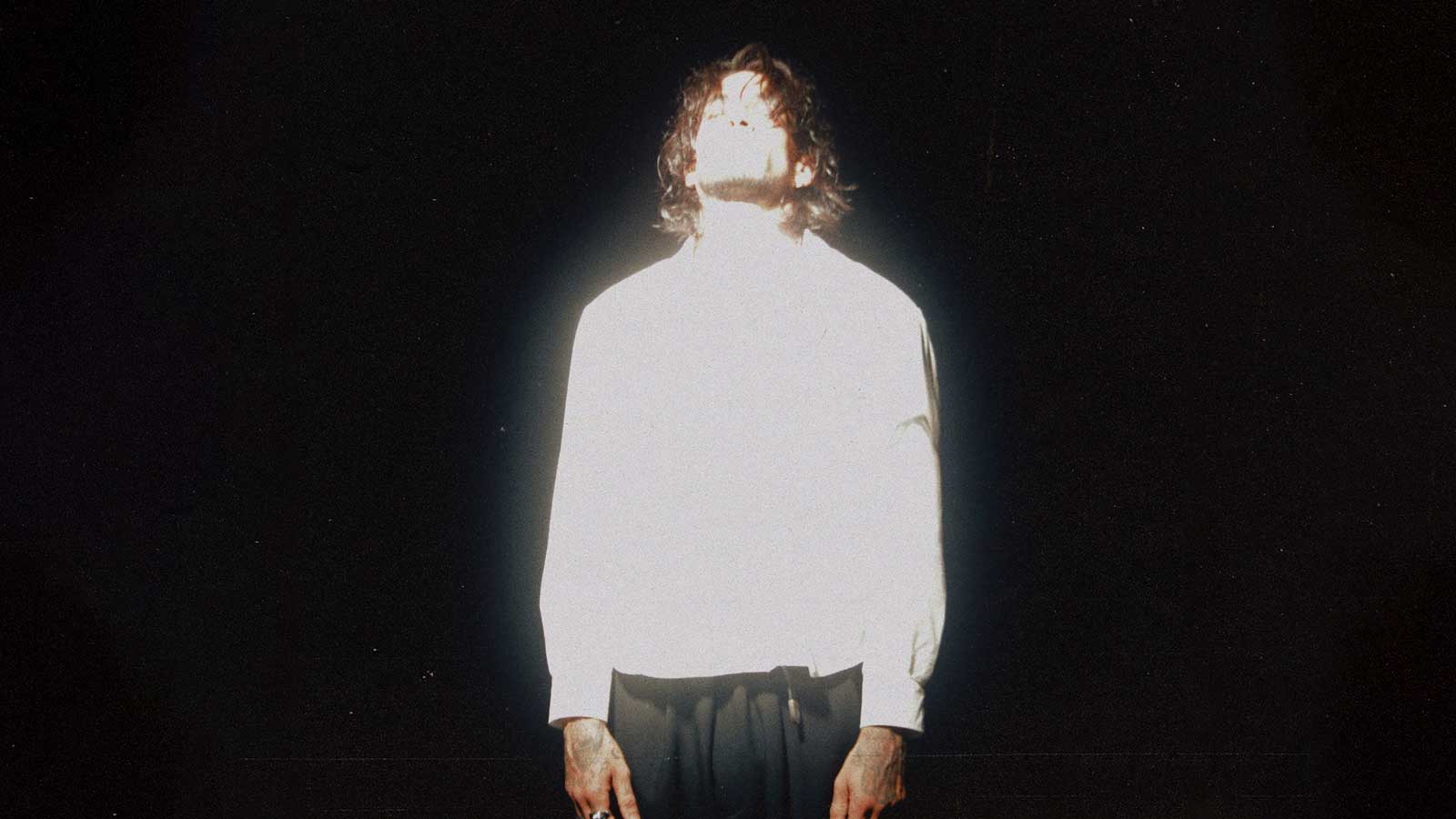
Cuban singer-songwriter Kendaya brings his three-part musical narrative to a close with “Plan de Dios,” a new single and accompanying music video that challenge the way listeners understand the story he has been telling. Released through Mr. 305 Records, the track serves as the final installment in a trilogy that began with “Definitivamente” and continued with “Ilusionado.”
Rather than delivering the emotional resolution audiences might expect, Kendaya takes the story backward. “Plan de Dios” revisits a relationship before its collapse, capturing the optimism, affection and certainty that existed before betrayal changed everything.
The result is a creative reversal that transforms what initially sounds like a celebration of love into a more complicated reflection on how relationships are remembered.
Musically, “Plan de Dios” introduces a brighter, more buoyant atmosphere than the emotional tension surrounding the trilogy’s earlier chapters. Kendaya embraces the feeling of being exactly where he belongs, expressing gratitude for love and the belief that his future is unfolding according to a greater plan.
That optimism becomes particularly significant when placed alongside the previous releases.
In “Definitivamente,” Kendaya confronted the painful realization that he and his partner had experienced their relationship differently. “Ilusionado” explored the emotional consequences of imagining a future with someone who did not share the same expectations.
Together, those songs established a narrative built around disappointment, emotional vulnerability and the distance between romantic expectations and reality.
“Plan de Dios” introduces the missing perspective: the period when those expectations still felt possible.
A Music Video That Changes the Entire Story
The official music video plays a central role in connecting the three releases.
Through the trilogy’s interconnected visuals, Kendaya reveals that the seemingly ideal relationship celebrated in “Plan de Dios” is the same relationship that eventually unravels through infidelity.
The discovery of his partner’s betrayal sets the events of “Definitivamente” and “Ilusionado” into motion, positioning the trilogy’s final release as the chronological beginning of the story.
It is an effective narrative decision because it changes the emotional meaning of the music without requiring the songs themselves to change.
Listeners encountering “Plan de Dios” independently hear an artist celebrating a promising relationship. Those familiar with the complete trilogy recognize the dramatic irony: Kendaya’s confidence exists precisely because he has not yet discovered what audiences now know.
That contrast gives the release an emotional weight beyond its upbeat production.
The storytelling also reflects an increasingly important creative opportunity for artists working across contemporary Latin music. Rather than treating music videos as isolated promotional pieces, musicians can use interconnected visuals to develop characters, introduce narrative tension and encourage audiences to revisit previous releases.
For Kendaya, the approach turns three individual songs into a unified creative project, giving listeners a reason to experience the releases together instead of consuming each track independently.
Kendaya Builds His Identity Through Music and Storytelling
Originally from Cuba, Kendaya has developed a musical identity influenced by the island’s rhythmic traditions and contemporary Latin urban sounds. His work combines melodic songwriting with an interest in emotional storytelling, allowing him to move between musical influences without abandoning a recognizable creative perspective.
With “Plan de Dios,” that approach extends beyond production and songwriting into the structure of the release itself.
The decision to conclude the trilogy by returning to its beginning suggests an artist interested in more than presenting individual singles. It demonstrates how a carefully developed concept can connect multiple releases and establish continuity across a broader artistic campaign.
For an emerging artist, that distinction matters.
In a music environment where new releases compete for attention across streaming platforms and social media, a connected storyline offers another point of discovery. Audiences can engage with the music through its sound, but the visuals provide an additional reason to follow the artist’s creative direction.
Importantly, the trilogy does not depend on elaborate production claims or commercial milestones to communicate its ambition. Its strongest element is the contrast between what the protagonist believes and what the audience eventually learns.
By placing the happiest chapter at the end of the release sequence, Kendaya also avoids a conventional breakup narrative. Instead of finishing with recovery or reconciliation, he leaves listeners with the innocence that existed before the relationship deteriorated.
It is a reminder that the beginning of a love story can carry a different emotional meaning once its ending is known.
With all three installments now available, “Plan de Dios” completes a musical and visual chapter that highlights Kendaya’s interest in narrative-driven releases. While his next project has not been announced in the supplied release information, the trilogy establishes a creative foundation he can continue developing.
“Plan de Dios” and its official music video are available now on digital platforms.
Stay connected with LaMezcla.com for more new Latin music, emerging artist discoveries and the stories shaping the next generation of Latin sounds.