


Spotlight: Daddy Yankee Legacy — From Barrio to Global Stage

When you talk about reggaetón’s history, one name towers over many others: Daddy Yankee. Known as “El Jefe,” “King of Reggaetón,” and a cultural force, Ramón Luis Ayala Rodríguez transformed not just a genre but how Latin music is perceived globally. His story is one of grit, innovation, identity, and influence.
In this post, we dive into his roots, breakthrough moments, how he built an empire, and the legacy he leaves behind.
Early Life & Foundations
- Born in Puerto Rico, raised in the barrio
Daddy Yankee was born on February 3, 1976 (or 1977, depending on source discrepancies) in San Juan, Puerto Rico. He grew up in Villa Kennedy, a public housing complex, alongside the music, percussive energy, and street culture that would infuse his sound. - Turning point: the bullet and a shift in dreams
At one point, during his youth, Yankee was struck by a stray bullet, an event that halted his pursuit of a baseball path and pushed him further toward music. In interviews and fan lore, he has cited this moment as part of what redirected his life. - Musical roots and influences
His father was a bongosero in salsa; his mother’s side had musical lineage. He was exposed to salsa, bomba, reggae en español, hip-hop, and local street sounds. These cross-genre textures would later define his approach.
Breakthrough: “Gasolina” & Barrio Fino
- El Cangri.com and the underground era
Before the world knew him, Daddy Yankee built credibility through mixtapes, underground albums, and collaborations with Puerto Rican producers like DJ Playero, Luny Tunes, and others. - Barrio Fino (2004)
With Barrio Fino, he reached a turning point. The album became one of the most commercially successful Latin albums of the 2000s. Its lead single, “Gasolina,” broke through radio, clubs, and MTV in multiple markets, becoming perhaps the first reggaetón anthem many non-Latinos heard. Barrio Fino became a statement: reggaetón was not a niche anymore. It was a commercial force and a legitimate branch of Latin music. - Cultural impact
Barrio Fino shaped how reggaetón was packaged, marketed, and consumed. According to Billboard, Barrio Finoaltered Latin music’s business, aesthetic, and sonic direction. Also, the Library of Congress later recognized Gasolina and Daddy Yankee’s contribution by inducting his work into the National Recording Registry.
Building an Empire: Business, Innovation & Influence
- Entrepreneurship & branding
Daddy Yankee founded El Cartel Records (originally El Cartel Productions) around 1997 to gain autonomy and release music under his own banner. Through it, he championed his own projects and gave a platform to other artists. - Commercial deals & global reach
As his music globalized, Yankee ventured into brand partnerships, endorsements, fashion lines, and cross-media presence. - Crossover moments
In 2017, his collaboration with Luis Fonsi in “Despacito” became a cross-cultural phenomenon. The song topped the Billboard Hot 100, one of the first Spanish-language hits to do so in decades. That moment reaffirmed his place in Latin music’s global narrative.
The Final Chapter: Retirement & Legacy
- Announcing retirement
In 2022, Daddy Yankee announced that he would retire following the release of Legendaddy and a global tour. His final concert took place in December 2023, culminating a career that spanned more than three decades. - Faith and a new direction
At his final concert, he declared: “I am not ashamed to tell the whole world that Jesus lives in me and that I will live for him.” He has since indicated that his mission now is spiritual, aiming to bring messages of hope to youth. - Recognition & enduring influence
In 2023, he became the first reggaetón artist inducted into the National Recording Registry at the Library of Congress. That honor cements the cultural value of his work beyond commercial success.
What Others Say: Quotes & Reflections
- From Daddy Yankee himself: “I feel so much pride to represent my community and be Latino. No doubt about it, above my career and sales, being a Latino comes first.”
- From collaborators and Latin artists:
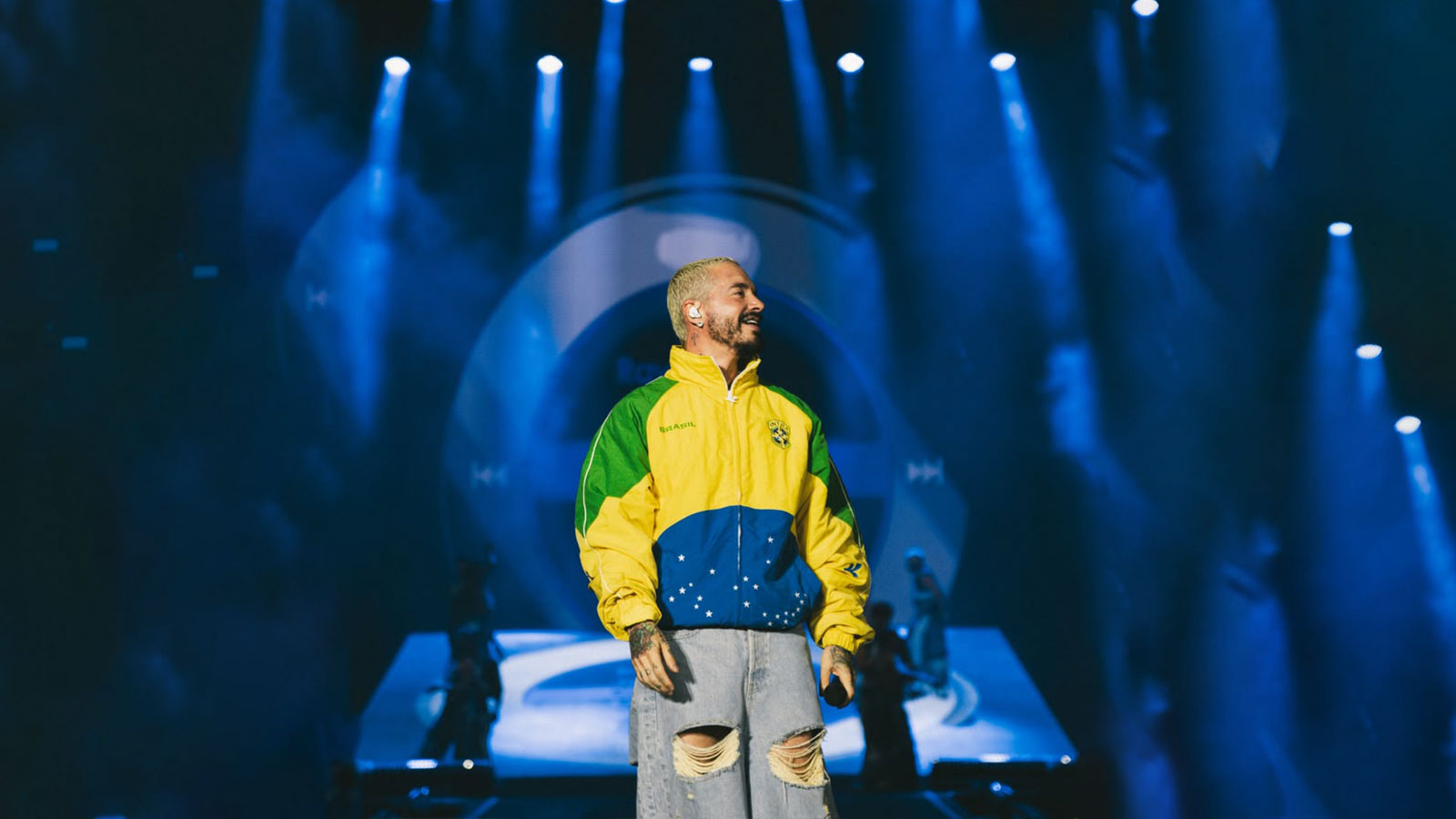
J Balvin has said publicly that: “Reggaeton would not be what it is without Daddy Yankee. Without Yankee, there would be no Balvin.” (common attribution in media around his legacy)
These voices testify that his influence is not just historical, but alive in the sounds and ambitions of today’s Latin artists.
Why Daddy Yankee’s Legacy Matters
- He proved that reggaetón could be commercially viable without sacrificing roots.
- He inspired infrastructure — labels, studios, distribution, cross-cultural deals — that benefited future generations.
- By spotlighting Latino identity proudly, he challenged stereotypes and normalized Spanish and urban culture in global pop.
- His mentorship and platform lifting in Latin urban music helped many newer artists break through.
- His transition to a purpose-driven life (faith, message) adds a dimension to how legacy can evolve.
Daddy Yankee’s story is more than chart success. It’s how artist meets entrepreneur meets cultural ambassador meets evolving human being. He laid a path for reggaetón to be heard, respected, and innovated beyond its beginnings.
As LaMezcla.com celebrates Hispanic Heritage Month and the stories behind Latin music, his legacy is a reminder: the music we hear today stands on the shoulders of those who risked and redefined what our sound could be.