




Mandinga and Barbara Isasi Takes Control on Bold New Single “Mala”
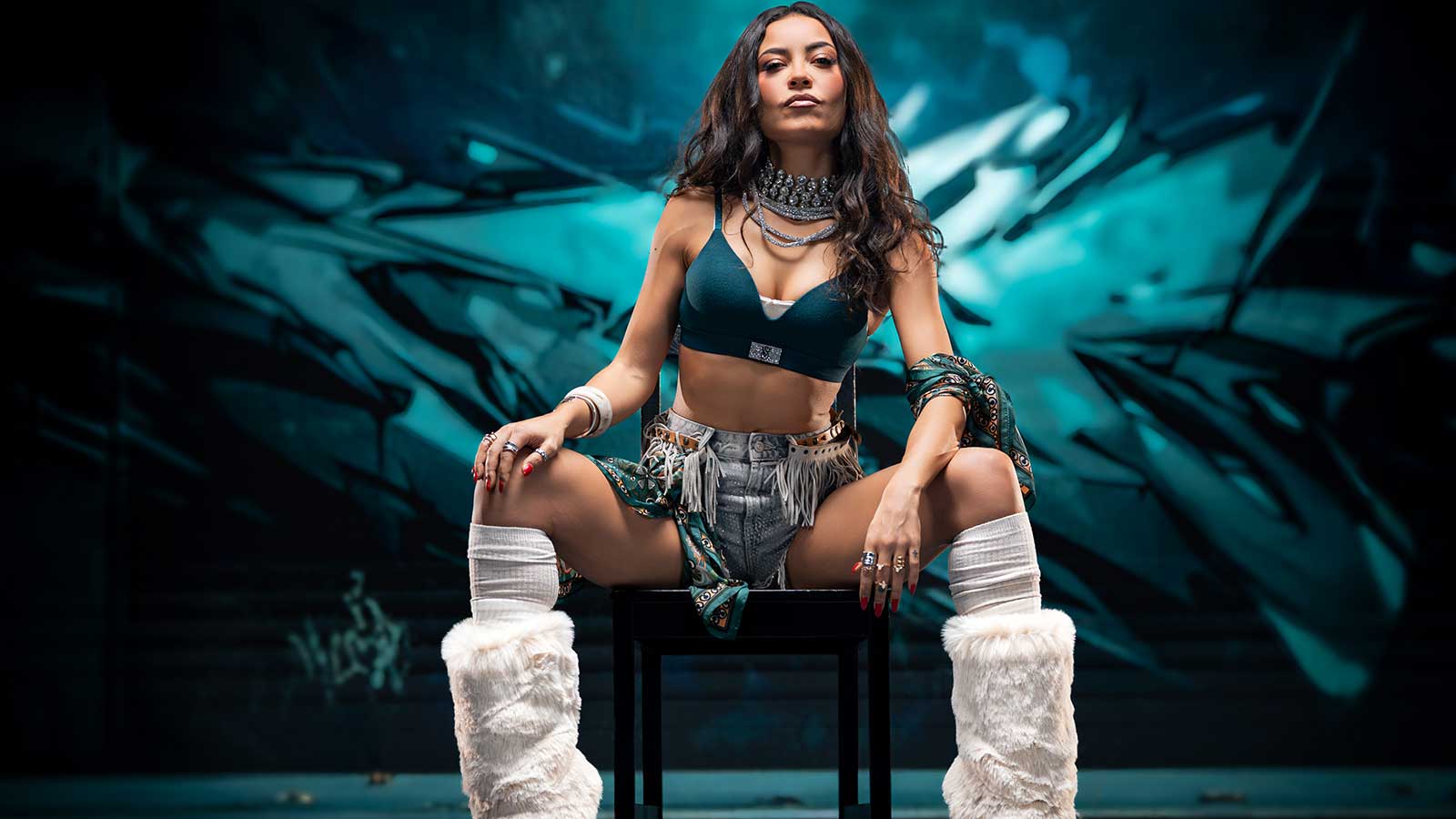
Mandinga Reintroduces Itself With “Mala” as Barbara Isasi Steps Into Her Boldest Era Yet
Mandinga enters summer 2026 with a clear message: evolution is no longer optional. The Romanian-Latin collective has released “Mala,” a sharp Afrobeat-Latino single led by Barbara Isasi, pairing a sticky hook with a bolder urban direction that pushes the group beyond its long-standing salsa and Latin pop foundation. The single was released January 27, 2026, and is available across streaming platforms.
Built around the hook “Cali mala, pura diabla,” “Mala” moves quickly, choosing rhythm and attitude over over-explanation. For a band known for brass-driven live energy and Latin fusion, the track feels less like a detour and more like a recalibration: Mandinga is not abandoning its roots, but widening the lane.
At the center of that shift is Barbara Isasi, the Madrid-born, Cuban-rooted vocalist who has fronted Mandinga since 2016. On “Mala,” she leans into a more direct, commanding presence, using the song as a statement about confidence, control, and the refusal to soften herself for outside expectations.
That framing matters. Latin music’s global conversation is often centered on Puerto Rico, Colombia, Mexico, the Dominican Republic, and the U.S. Latin market. Mandinga’s story expands that map. As a Bucharest-based group with Romanian, Spanish, and Cuban influence, the band represents a different kind of Latin crossover: one built in Europe, sustained by live performance, and now adapting to a streaming era where urbano, Afrobeat, salsa, bachata, and pop often collide in the same playlist.
“Mala” also arrives at a point where women in Latin and global pop are increasingly reshaping narratives around desire, power, and image. Isasi’s performance does not play the “bad girl” trope as a costume. It works because it sounds personal — a controlled release of energy from an artist stepping more fully into her own authority.
The music video, directed by Rimenescu, extends that message visually, presenting Isasi as dominant, sensual, and fully in command. Choreography by Ruxandra Timoasca, with dancers Teodora Dutca, Mihai Ioana Mihaela, and Ioana Alexandra Gramada, turns the clip into a performance statement rather than a standard single rollout.
Production-wise, “Mala” is also notable for introducing Dani Joo, credited as executive producer at just 17 years old. For Mandinga, that generational exchange is important. The band’s veteran identity remains intact, but the younger production energy gives the single a sharper, more current edge.
The larger signal is clear: Mandinga is entering 2026 with flexibility. The group can still serve its longtime fans with salsa, bachata, and Latin party records, but “Mala” suggests a band more interested in movement than nostalgia.
For LaMezcla, that makes “Mala” worth watching. It is not just a summer hook. It is a European Latin act testing how far its sound can stretch in a market where genre borders are becoming less useful by the month.
“Mala” is available now on streaming platforms. Stay connected with LaMezcla.com and the LaMezcla Music App for more new Latin music releases, artist spotlights, and global Latin sounds.