





Don Francisco Returns to Univision More Than a Decade After Sábado Gigante
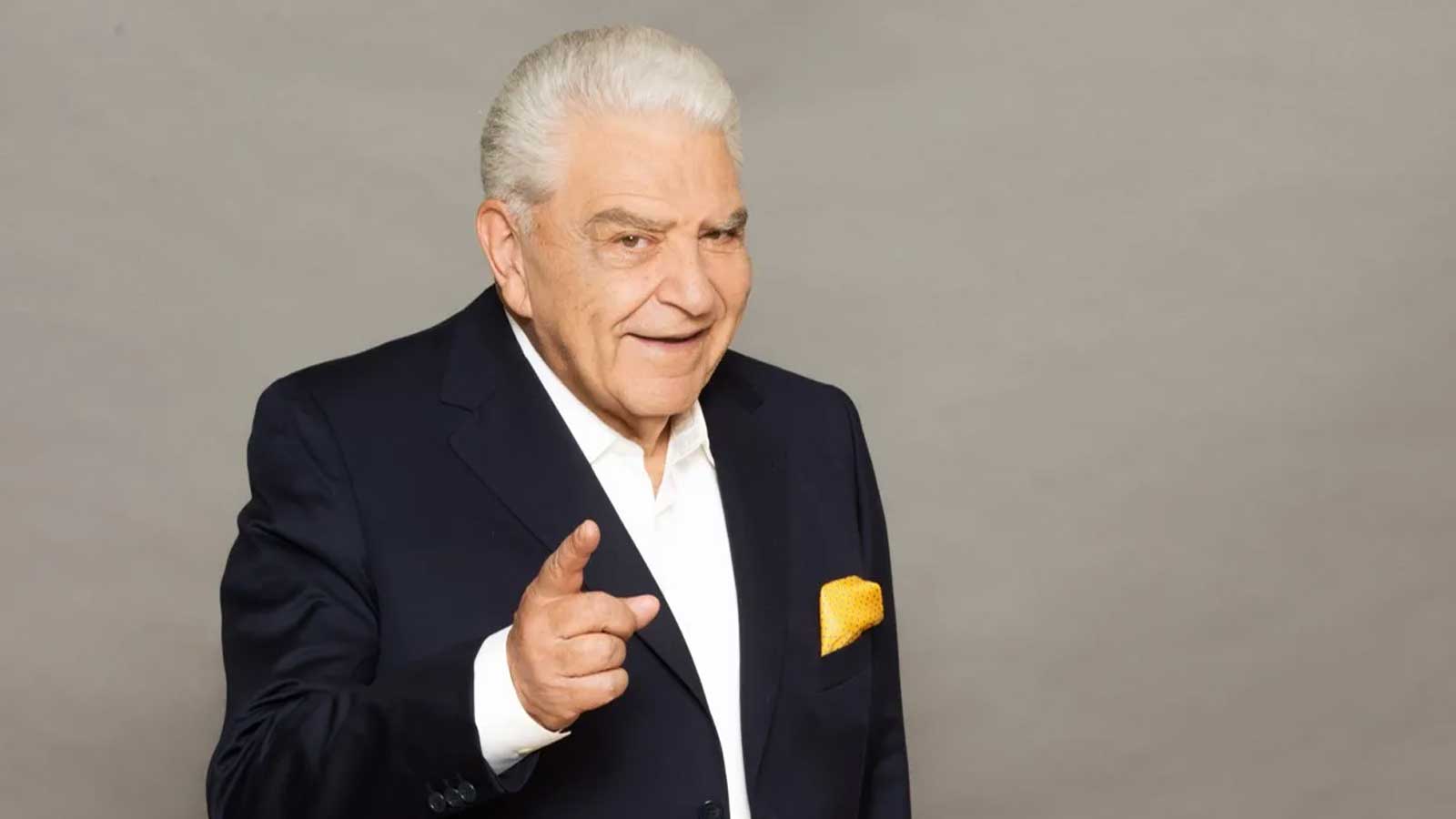
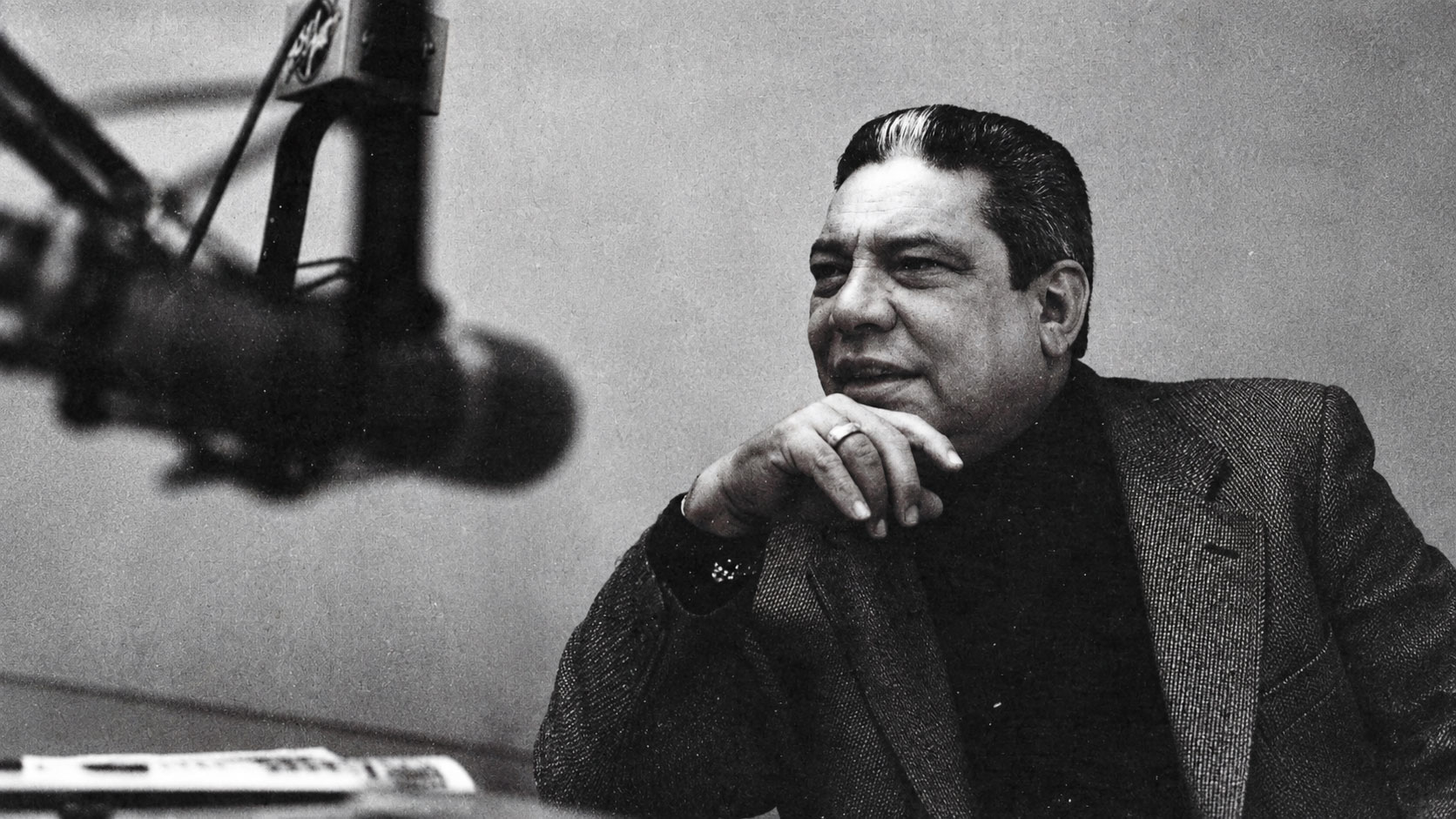
For millions of Hispanic households across the United States and Latin America, Don Francisco was more than a television host, he was part of the weekly routine. Now, more than a decade after the end of Sábado Gigante, the legendary Chilean television personality is officially returning to Univision with a brand-new limited interview series centered around some of the most influential figures in sports and entertainment.
TelevisaUnivision confirmed the news during its 2026–2027 Upfront presentation, revealing that the upcoming project will feature intimate conversations and personal storytelling designed to celebrate legacy, nostalgia, and the cultural moments that continue to shape generations of Latinos.
While the company has not yet revealed the official title, premiere date, or guest lineup, the announcement alone immediately became one of the most talked-about moments coming out of the network’s presentation. For many viewers, Don Francisco’s return represents the comeback of one of the most recognizable figures in the history of Spanish-language television.
The move arrives more than 10 years after Sábado Gigante ended its historic run in 2015. The variety show aired for over five decades and became a defining part of Hispanic television culture, helping introduce artists, comedians, athletes, and public figures to mainstream Latino audiences long before the rise of streaming and social media.
That legacy is a major reason why this announcement carries weight far beyond nostalgia. In many ways, Don Francisco helped build the blueprint for modern Hispanic entertainment programming in the United States. His ability to blend humor, music, interviews, family storytelling, and live audience interaction turned Sábado Gigante into a cultural institution that crossed generations and borders.
This new project, however, appears to signal a different chapter.
Rather than reviving the large-scale variety format that defined his earlier career, TelevisaUnivision is positioning the series as a more intimate and reflective production focused on conversation and legacy. The distinction is important because it shows how Hispanic television continues adapting to changing audience behavior in the streaming era.
The timing is also notable for the broader Latin media industry. As traditional television networks compete for attention against YouTube, TikTok, podcasts, and streaming platforms, nostalgia-driven programming has become an increasingly valuable strategy. Legacy personalities with deep cultural credibility now offer networks something algorithms cannot easily replicate: emotional connection and multi-generational trust.
Don Francisco’s return fits directly into that shift.
For Univision, the move represents more than a programming announcement, it is a strategic cultural play aimed at reconnecting audiences through familiar figures who helped shape Hispanic identity on television for decades. At the same time, the format’s interview-driven structure also opens the door for deeper storytelling around sports, music, entertainment, and Latin culture.
That could become especially impactful if the series includes conversations with artists and public figures who themselves grew up watching Don Francisco. The potential crossover between legacy television audiences and younger bilingual Latino viewers creates a unique positioning opportunity for TelevisaUnivision at a moment when media companies are aggressively competing for cultural relevance.
The return also arrives during a period when Latin entertainment nostalgia is becoming increasingly commercialized across music, television, touring, and streaming. Reunion tours, catalog revivals, documentary storytelling, and heritage programming continue proving that audiences are looking for emotional familiarity in an era dominated by fast-moving digital content.
In that sense, Don Francisco’s comeback feels less like a reboot and more like a recalibration.
Instead of trying to recreate the energy of Sábado Gigante, the new series appears designed to preserve and reinterpret legacy through conversation, reflection, and storytelling, a format that aligns far more closely with today’s viewing habits.
For Latin audiences, it also serves as a reminder of the cultural figures who helped define Spanish-language entertainment long before social platforms transformed celebrity and media consumption.
Additional details surrounding the project are expected to be announced in the coming months.
For more breaking Latin entertainment and culture coverage, follow LaMezcla.com and discover more stories, interviews, and curated playlists inside the LaMezcla Music App.