






Jowell & Randy Drop “Bien Guillao en Japón” and Extend Their Reggaetón Legacy
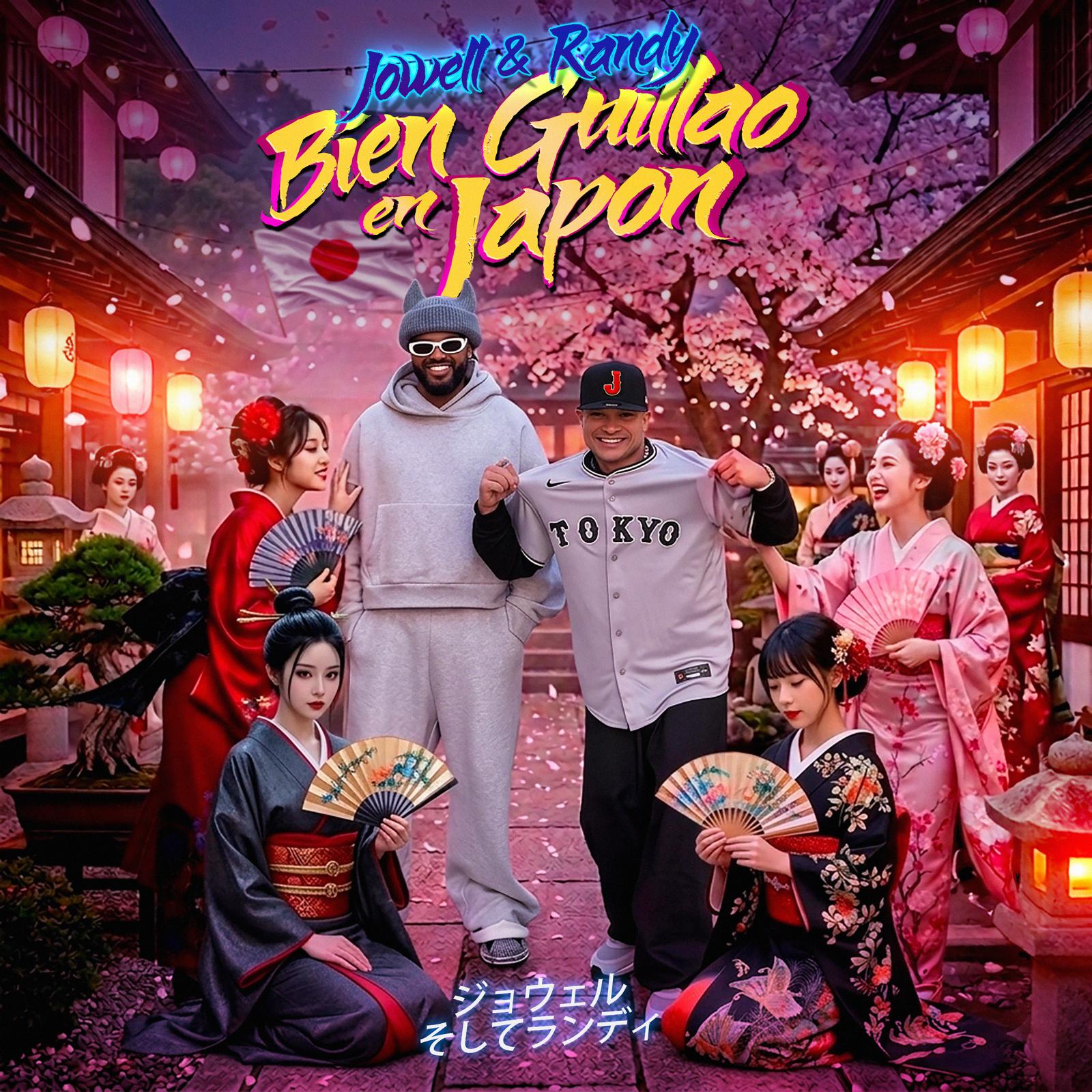
Jowell & Randy are back with “Bien Guillao en Japón,” a new single and music video that arrives as more than just another release from one of reggaetón’s most durable duos. Out now via Rimas Entertainment, the track taps into the energy of their recent Tokyo visit and turns that experience into a record that connects classic perreo instinct with a broader international lens. The single was released on April 6 across streaming platforms, extending a moment that already had real visibility around the pair’s appearance in Japan.
The timing matters. The release lands just weeks after Jowell & Randy appeared as special guests during Bad Bunny’s Spotify Billions Club Live concert in Tokyo, where they joined him for “Safaera” during a night that marked his first major performance in Asia. Spotify confirmed the Tokyo event took place March 7 at Tipstar Dome Chiba, with more than 2,300 fans in attendance, while Billboard also noted Jowell & Randy’s surprise appearance as one of the standout moments of the night.
That context gives “Bien Guillao en Japón” added weight. On its surface, the record is a high-energy reggaetón release built for movement, attitude, and club rotation. But strategically, it also works as a travel diary of sorts, documenting how veteran urbano acts are increasingly turning global appearances into narrative fuel for new music. For Jowell & Randy, that is especially significant because their catalog was built during an era when reggaetón still fought for legitimacy outside Puerto Rico and Latin America. Now, they are releasing a song inspired by Japan after appearing at a marquee event tied to one of streaming’s most globally dominant Latin artists.
The move arrives at a moment when legacy reggaetón acts are being asked to do more than trade on nostalgia. The genre’s early architects now have to prove they can still translate their identity into a modern global marketplace, where younger stars dominate playlists and virality often drives the conversation. “Bien Guillao en Japón” feels like Jowell & Randy’s answer to that challenge. Rather than soften their sound or overcorrect toward trend-chasing, they lean into what made them distinctive in the first place: irreverence, chemistry, and a streetwise sense of rhythm that still reads clearly across generations.
That is where the release becomes more interesting than a standard comeback headline. Jowell & Randy are not positioning themselves as veterans looking back. They are positioning themselves as foundational artists who still understand how reggaetón travels. Japan is not just a backdrop here; it is a symbol of how far urbano has moved from the underground circuits that first shaped their rise. When a duo from Puerto Rico can turn a Tokyo appearance into a culturally legible reggaetón release, it says something larger about the genre’s current stage of globalization.
It also reinforces a truth that often gets lost in coverage of Latin music’s newest wave: reggaetón’s international expansion did not begin with today’s crossover stars. Artists like Jowell & Randy helped build the raw, club-facing DNA that made that expansion possible. Their continued relevance depends on whether they can keep that DNA intact while still sounding current. On “Bien Guillao en Japón,” the balance appears intentional. The record does not abandon the grit and bounce that defined their earlier work, but it frames that energy inside a more visibly international story.
From an industry standpoint, the single fits into a broader pattern. Latin urban music is no longer being exported only through radio and diaspora audiences; it is being staged through global live events, streaming platforms, and culture-first moments that travel instantly online. Spotify’s continued rollout around Bad Bunny’s Tokyo concert, including a concert film released this week, shows how major platforms are investing in Latin music as global event programming, not just catalog consumption. Jowell & Randy’s release benefits from that ecosystem while also adding their own veteran credibility to it.
More importantly, this is a consolidation move for the duo’s legacy. It does not radically reinvent Jowell & Randy, and it does not need to. What it does is reaffirm that their brand of reggaetón still has mobility. In a crowded release environment, that matters. For newer acts, international co-signs can create discovery. For pioneers, those same moments can function as proof of durability. “Bien Guillao en Japón” lands as that kind of record: not a reinvention, but a reminder that longevity in reggaetón comes from staying recognizable without becoming static.
What comes next will determine how far this moment stretches. If the single becomes part of a larger release sequence, it could help frame Jowell & Randy’s next chapter around global positioning rather than pure legacy celebration. At minimum, it keeps them active inside the present-tense reggaetón conversation, which is exactly where artists of their stature need to remain.
For LaMezcla readers, the bigger takeaway is clear: reggaetón’s pioneers are still finding new ways to move with the culture, and “Bien Guillao en Japón” is another example of how the genre’s roots continue to travel. Stay locked to LaMezcla.com and the LaMezcla Music App for more Latin music news, release coverage, and reggaetón updates as the story develops.