




Bad Bunny Transforms Into an Older Version of Himself at the 2026 Met Gala

Bad Bunny Confronts Time, Identity and the Aging Body at the 2026 Met Gala
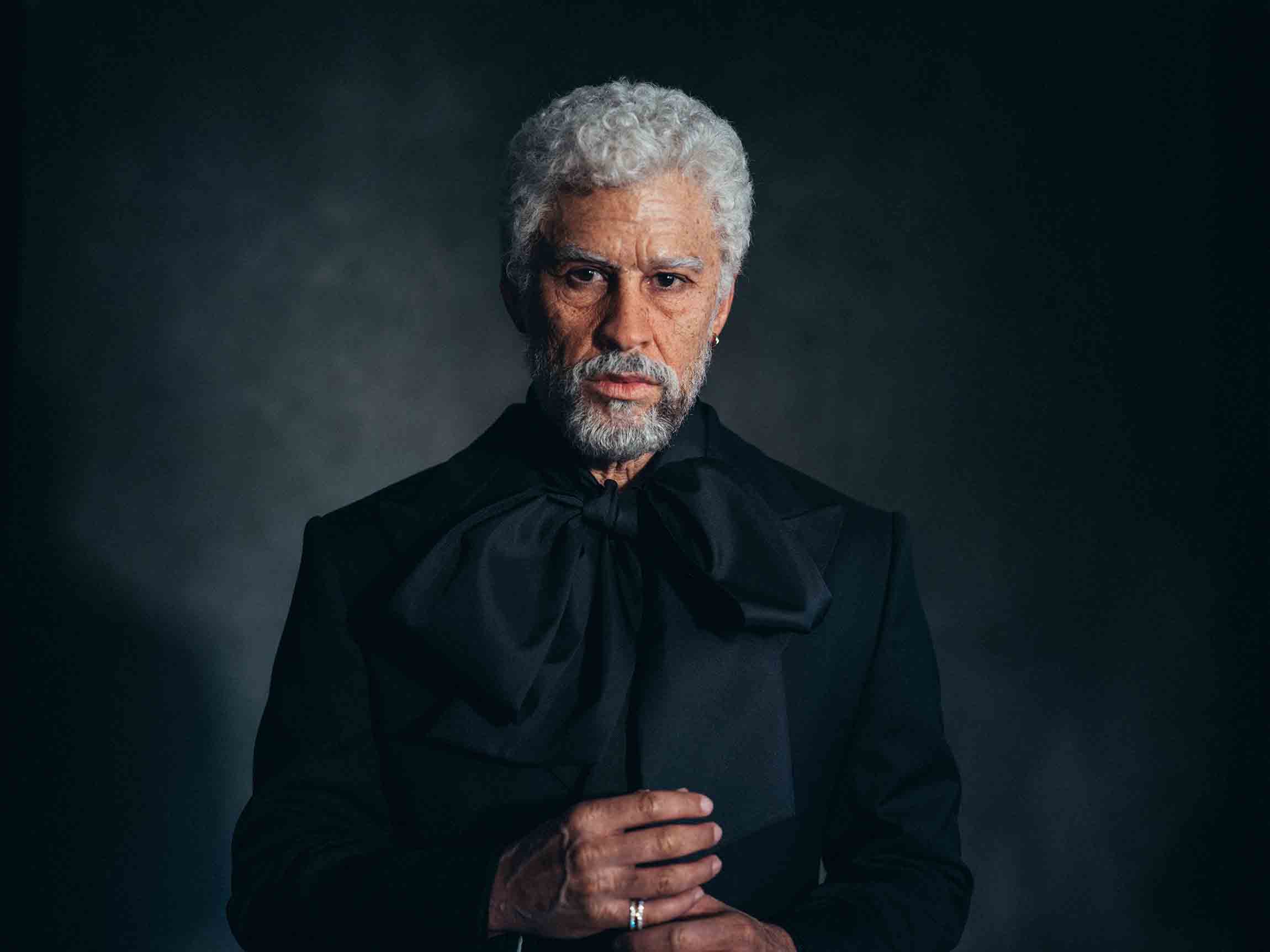
Bad Bunny arrived at the 2026 Met Gala with one of the night’s most committed conceptual looks, transforming himself into an aged version of Benito Antonio Martínez Ocasio. Rather than treating the red carpet as a costume moment, the Puerto Rican superstar used it as a statement on time, identity, and the body.
The appearance aligned with the Met’s 2026 “Costume Art” exhibition and its “Fashion Is Art” dress code, which explores the relationship between clothing, art, and the human body, including sections focused on the aging body.
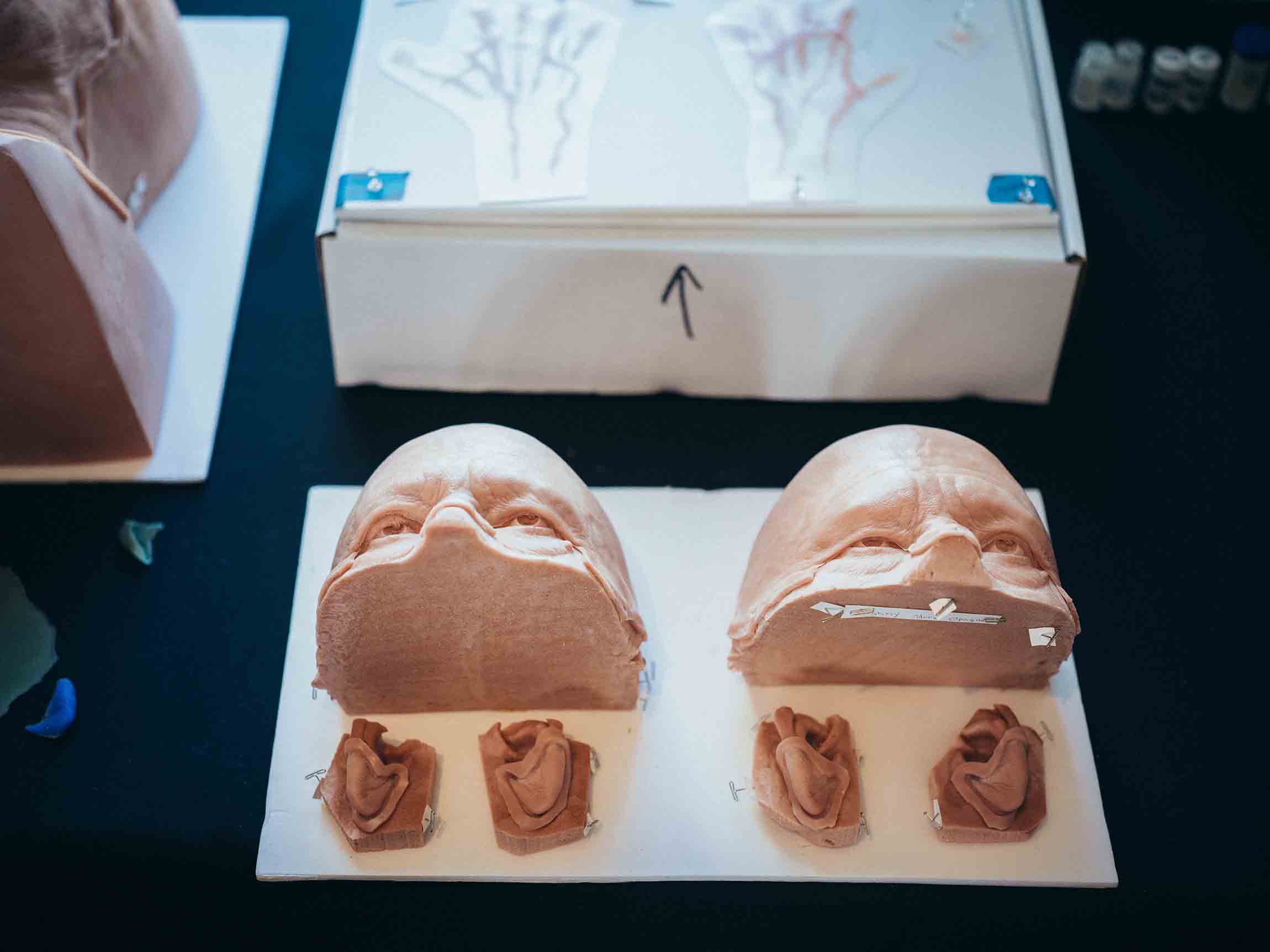
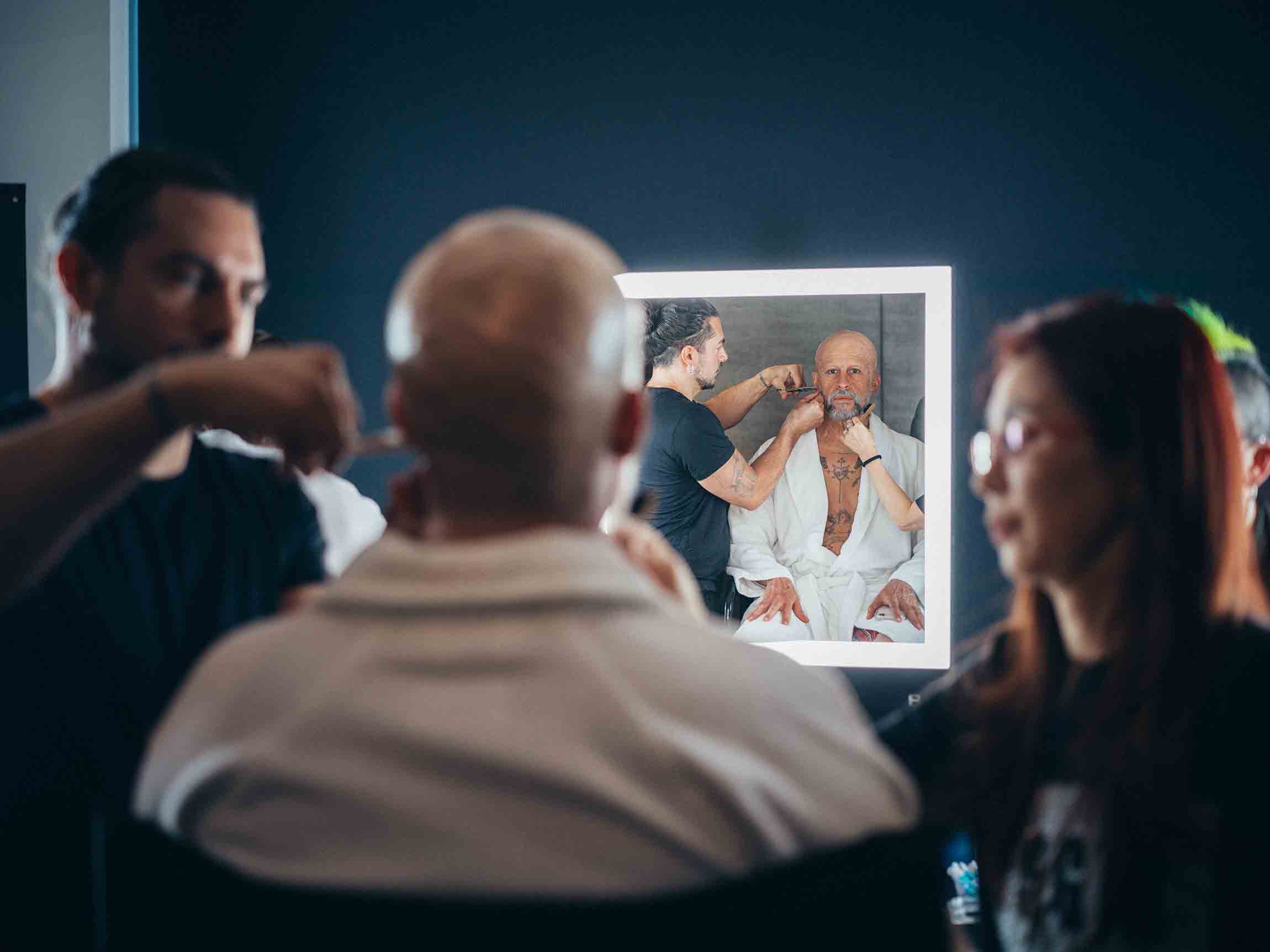
The transformation was created with hyper-realistic prosthetics by acclaimed makeup artist Mike Marino, with details including wrinkles, aging texture, gray hair, and a cane. Vogue and GQ both reported that the concept imagined Bad Bunny decades into the future, making the look one of the clearest responses to the evening’s body-centered theme.
Bad Bunny’s “Old Man” Met Gala Look Was More Than a Costume
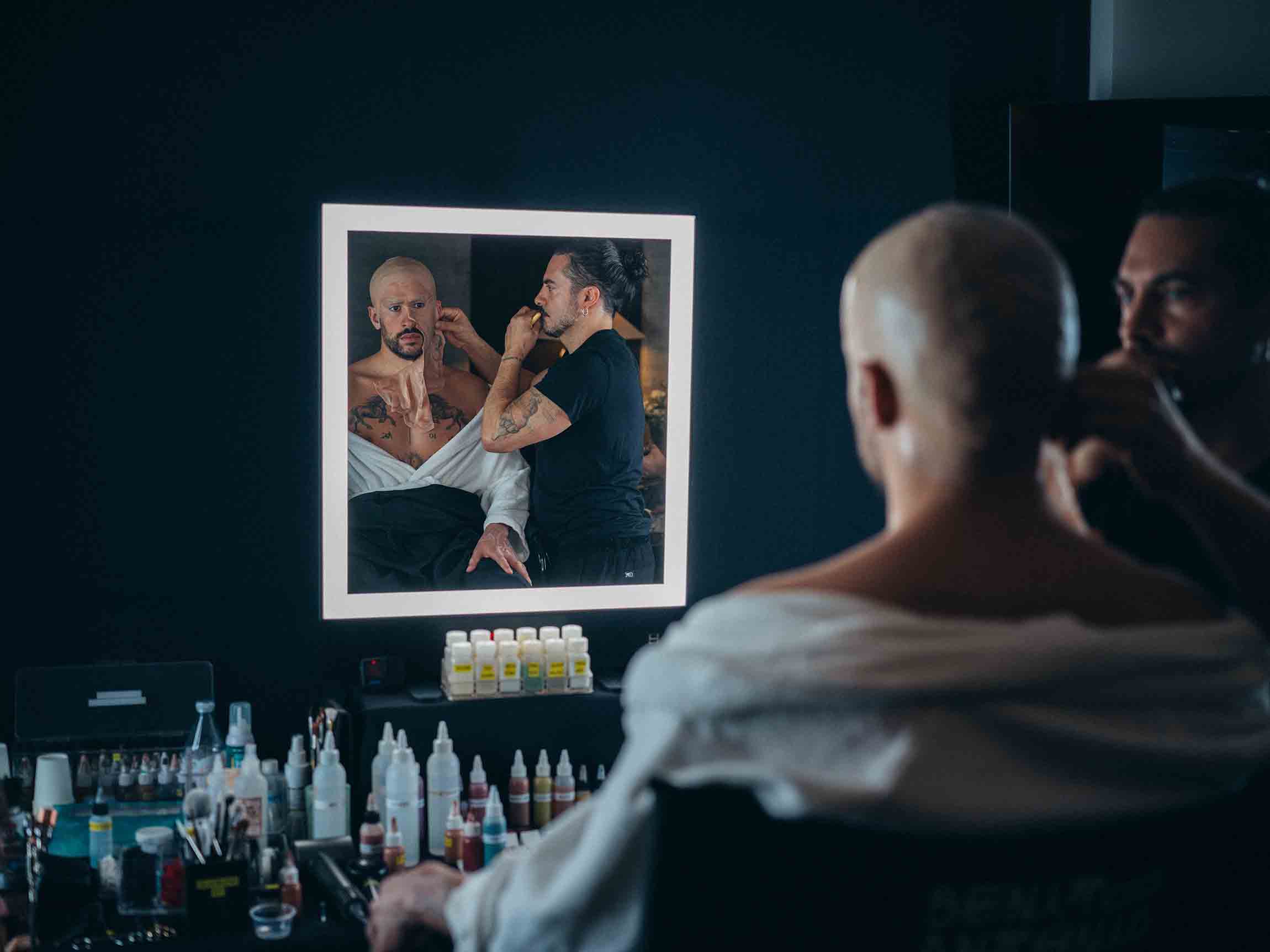
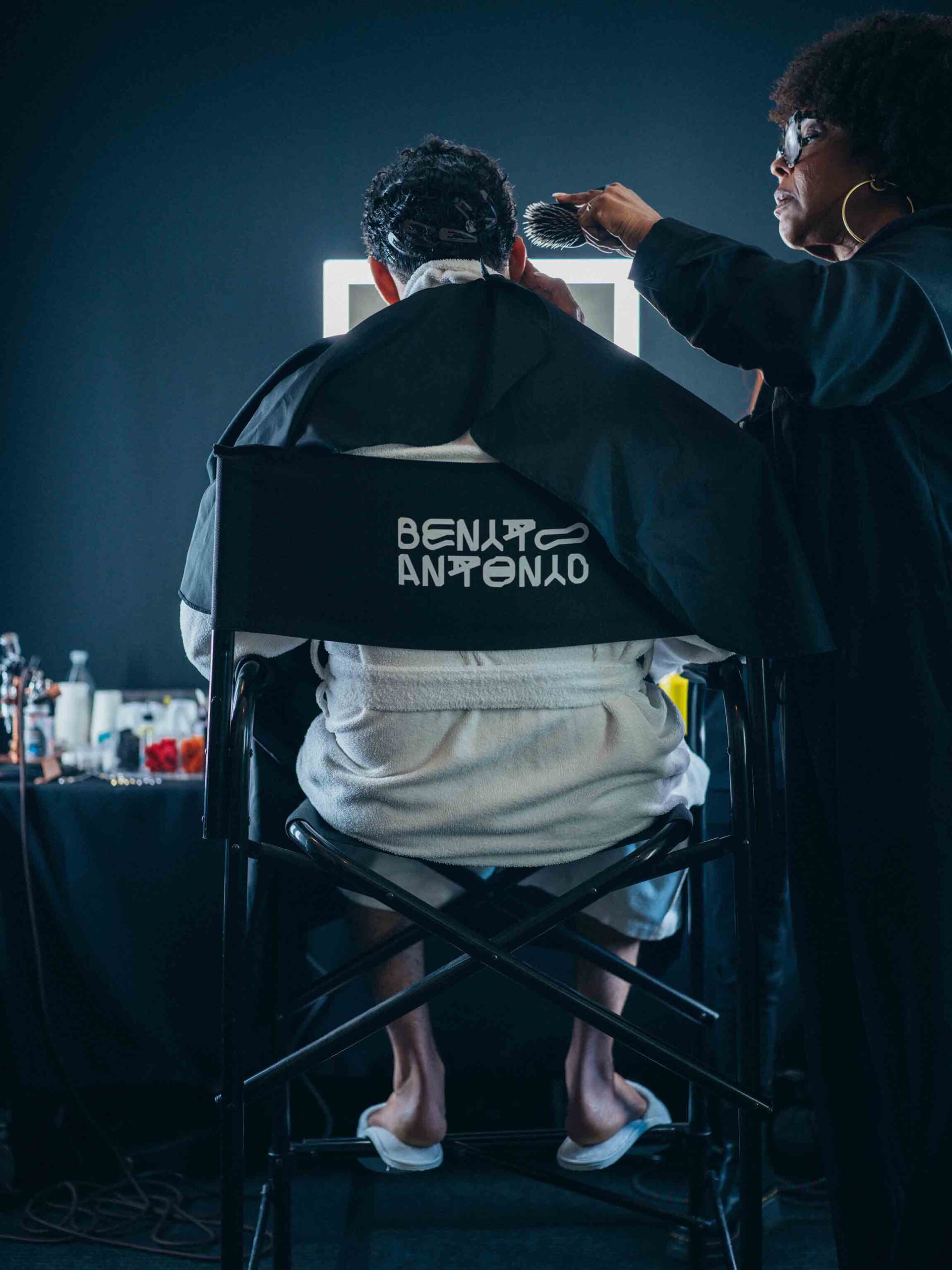
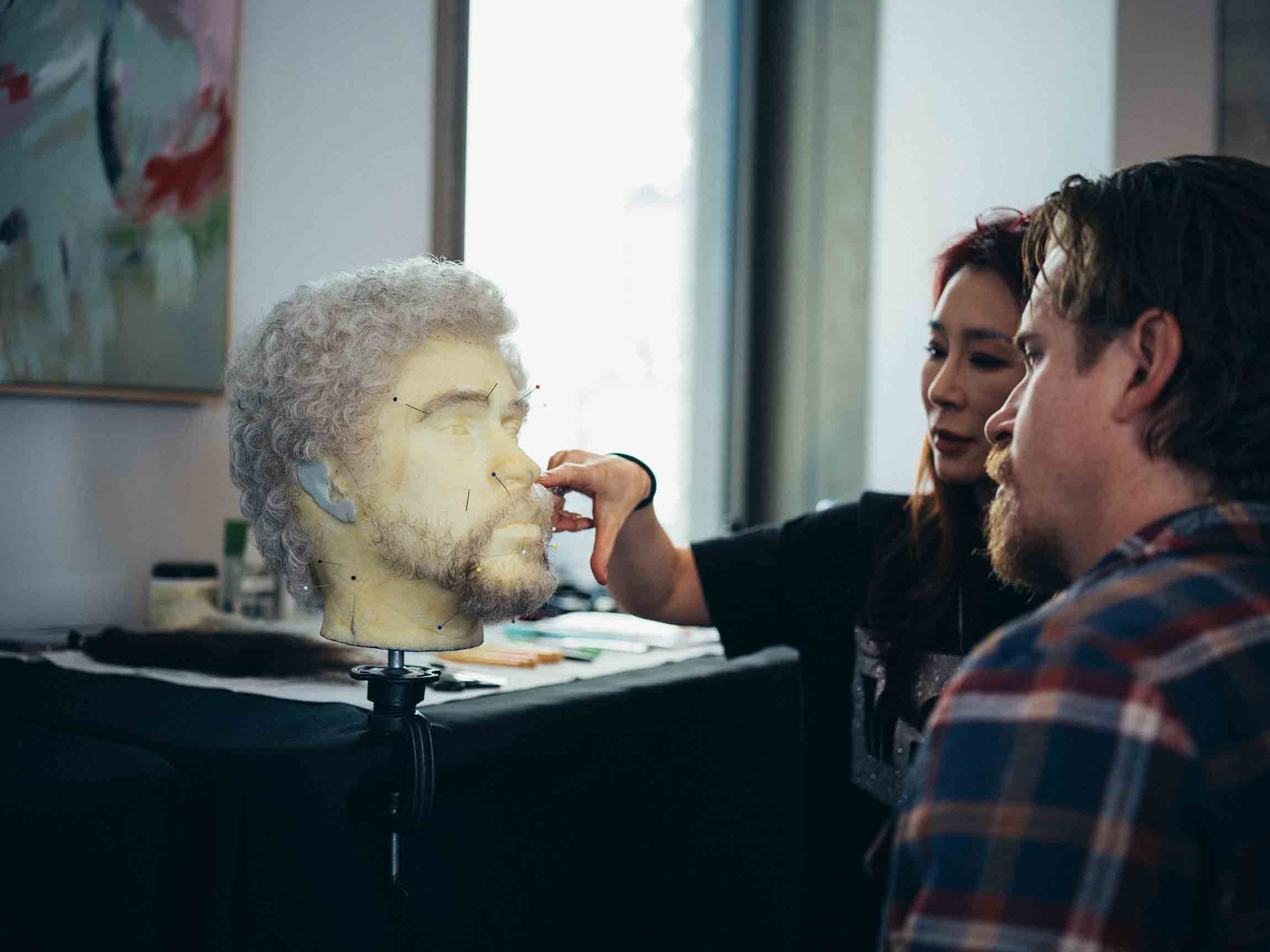
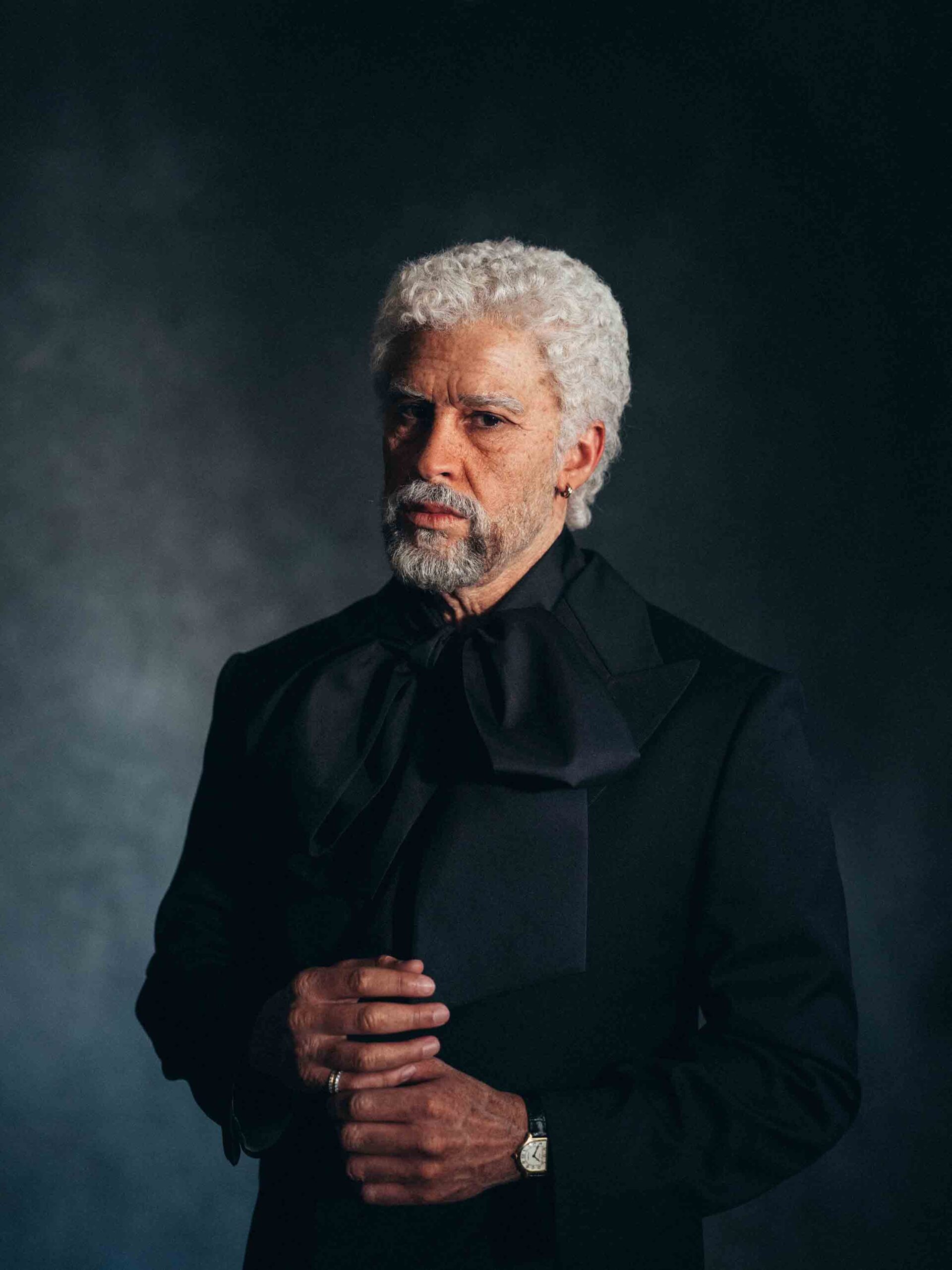
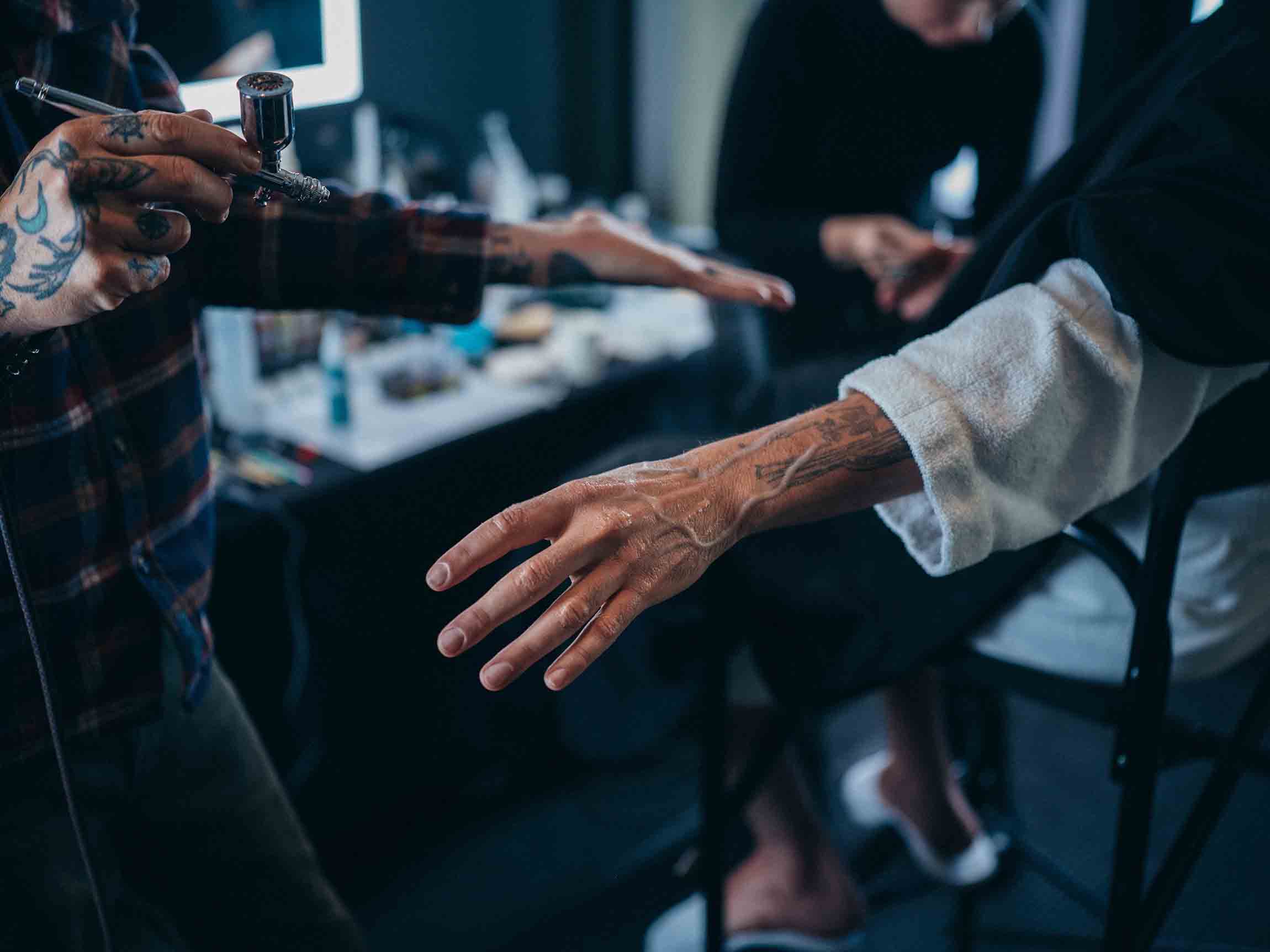
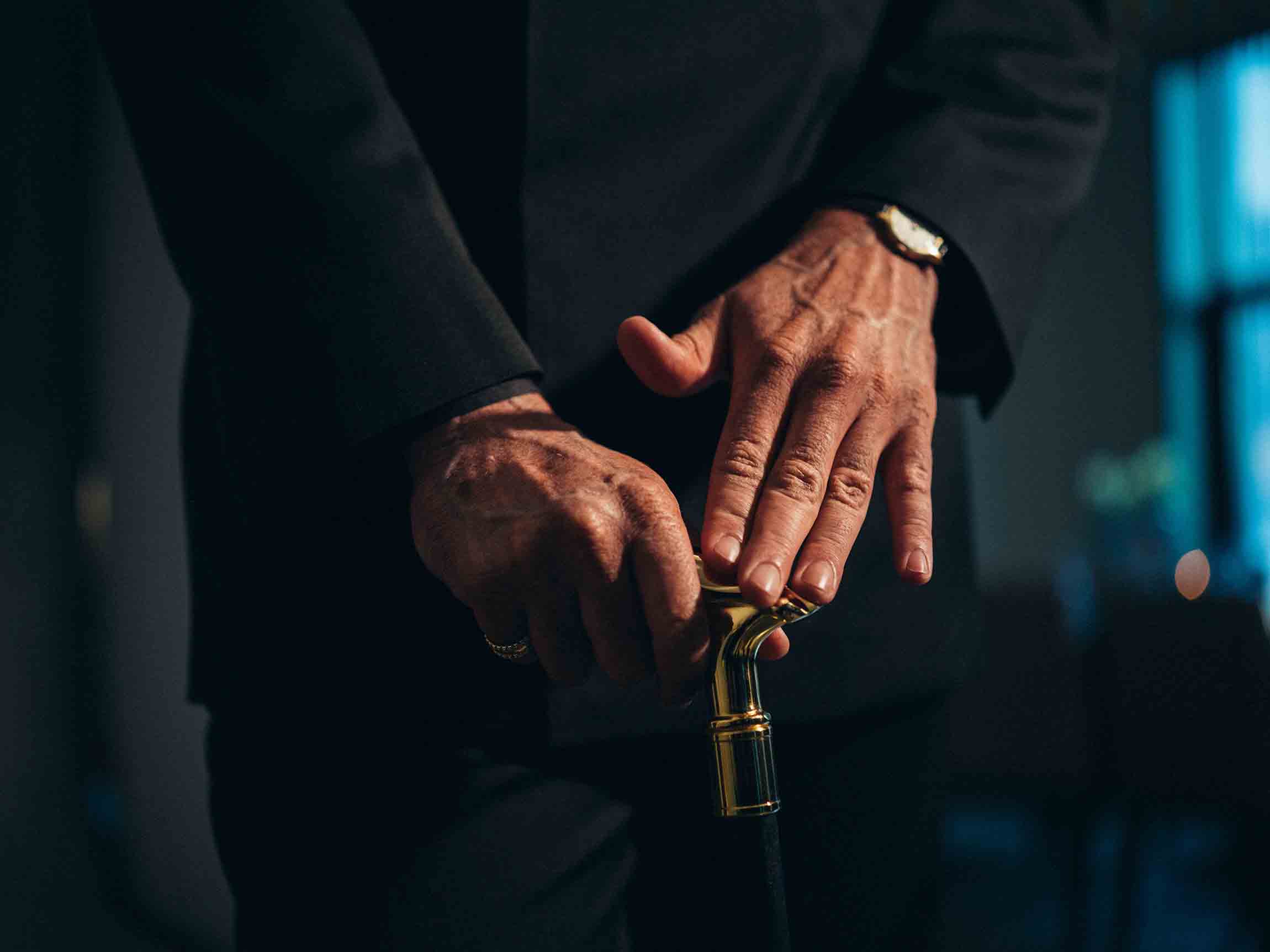
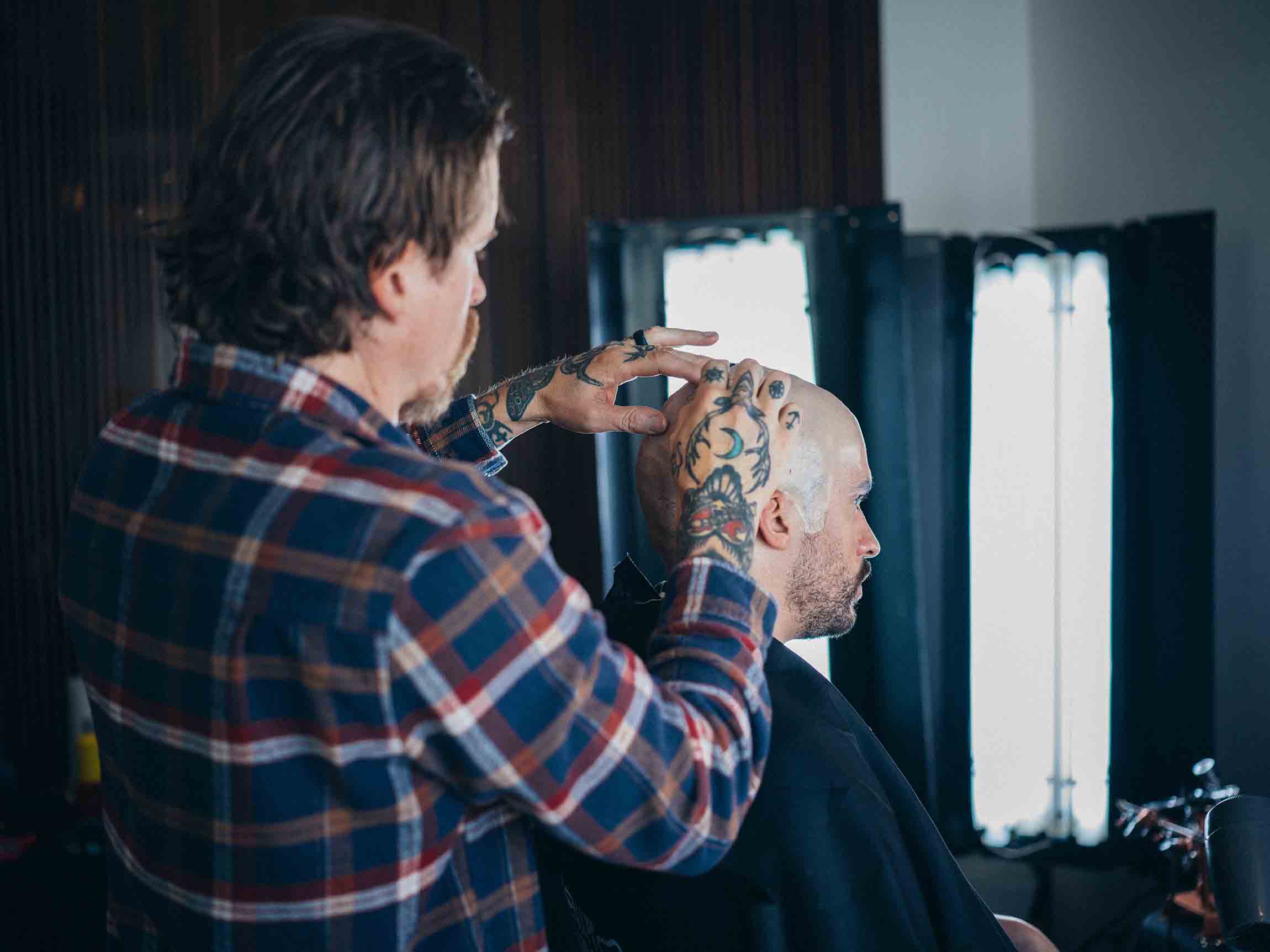
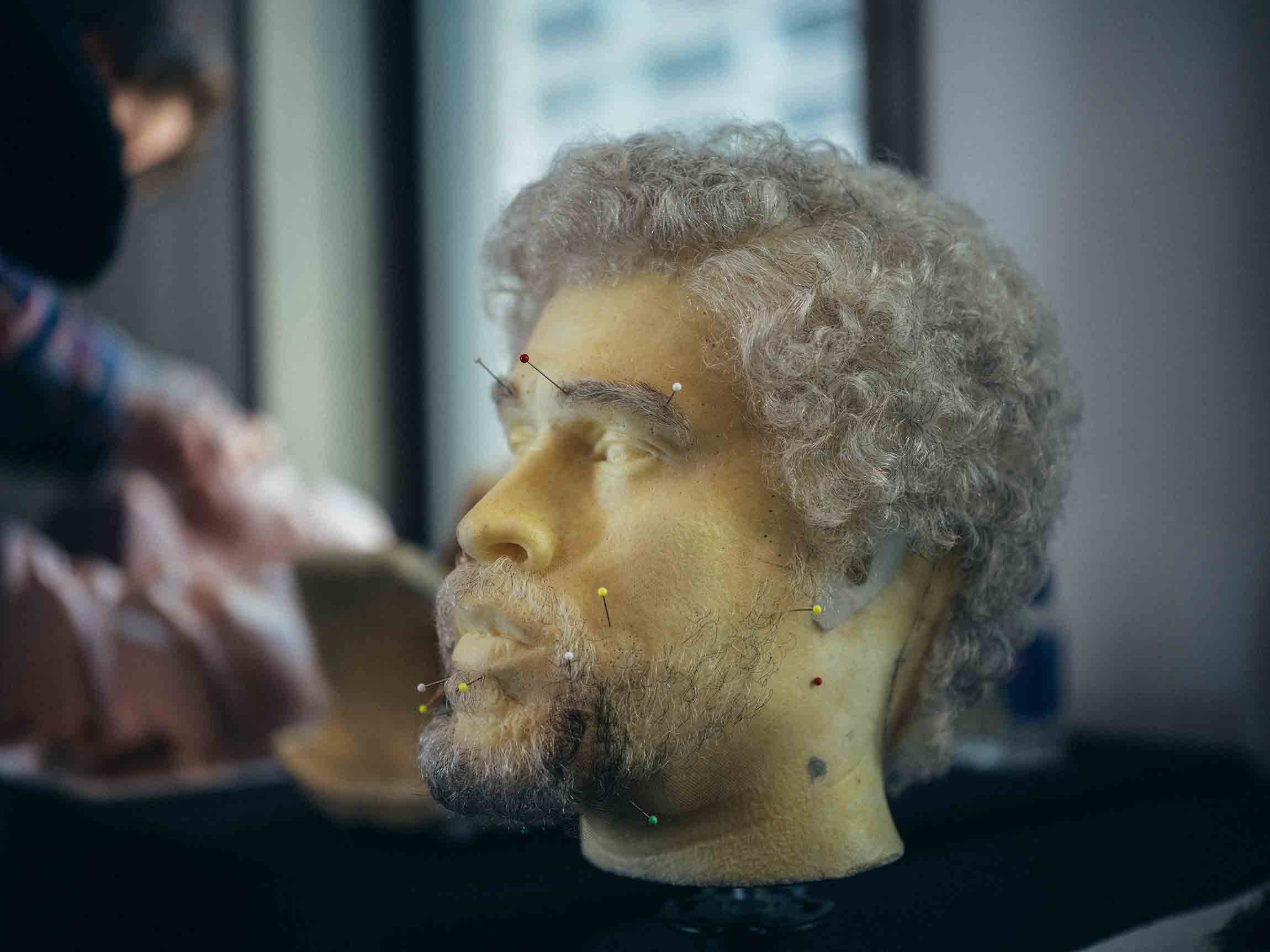
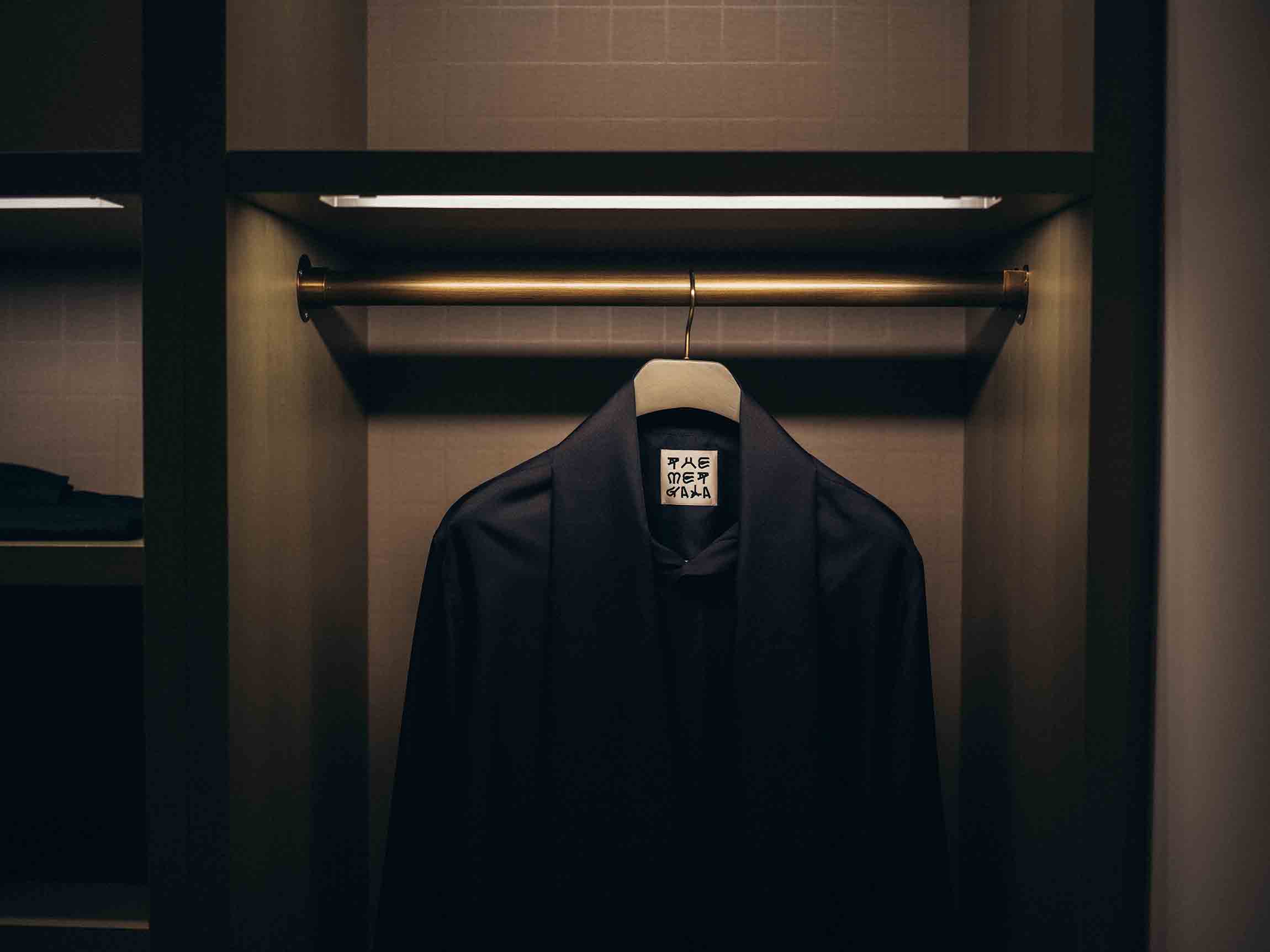
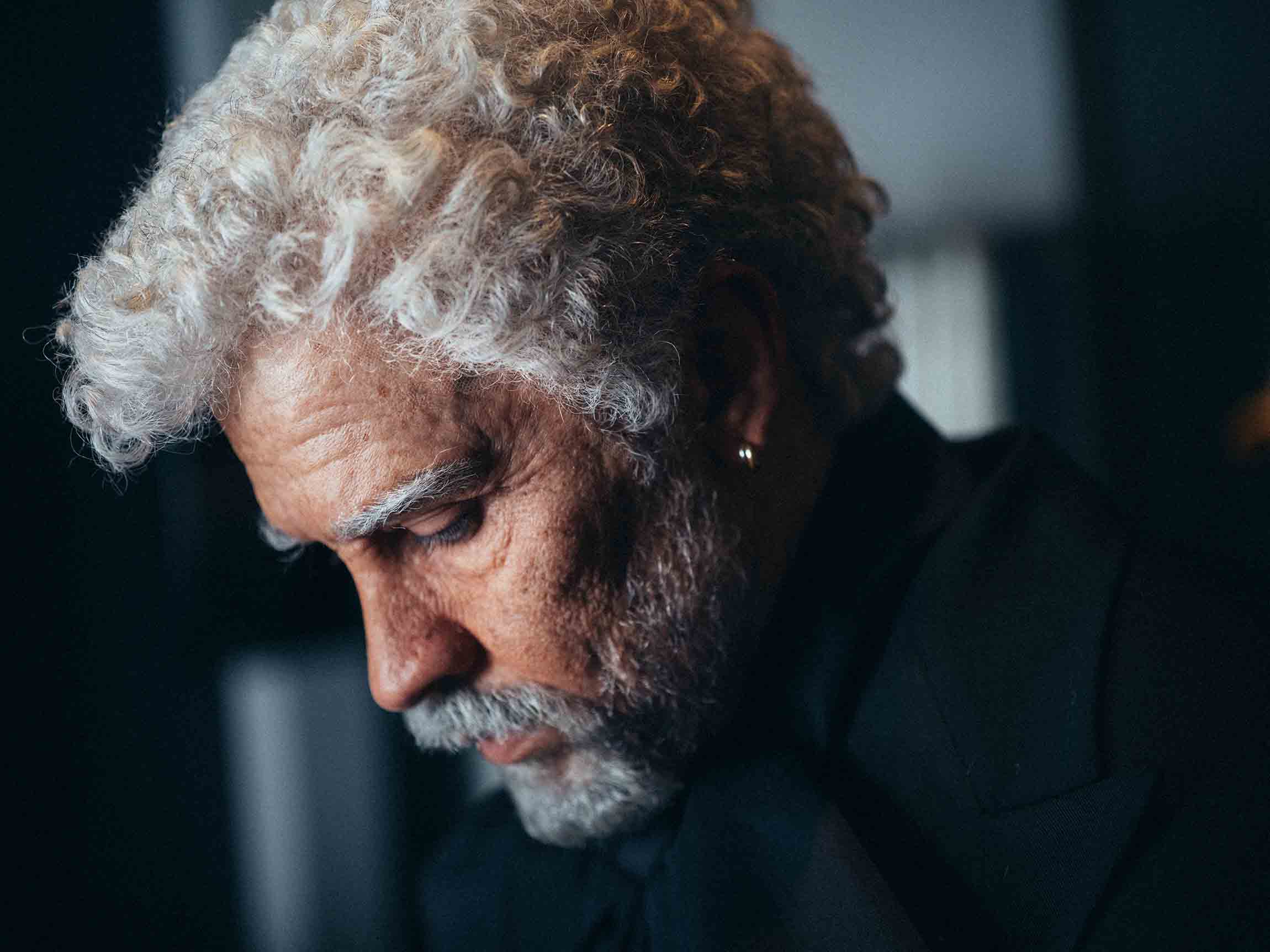
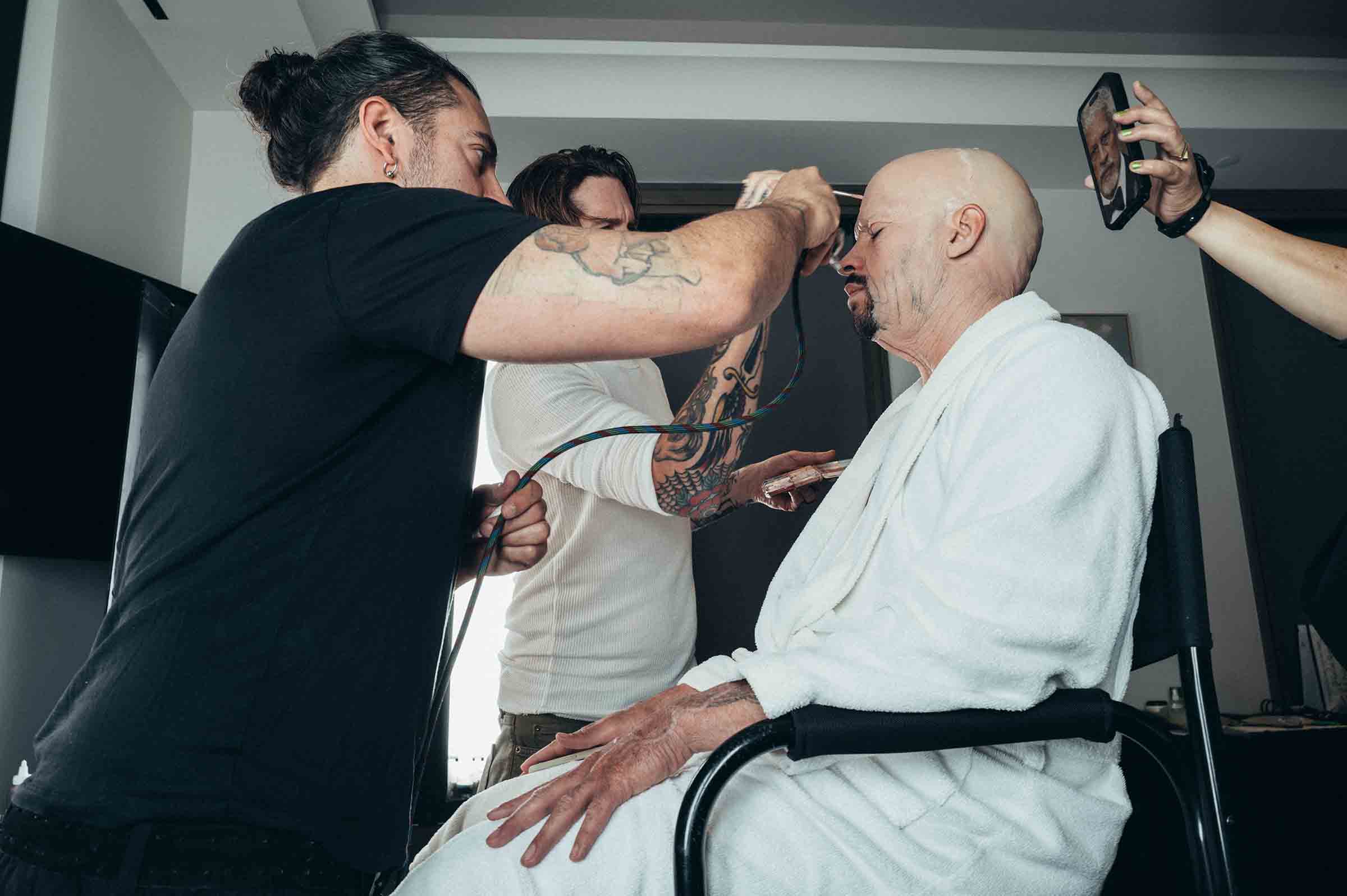
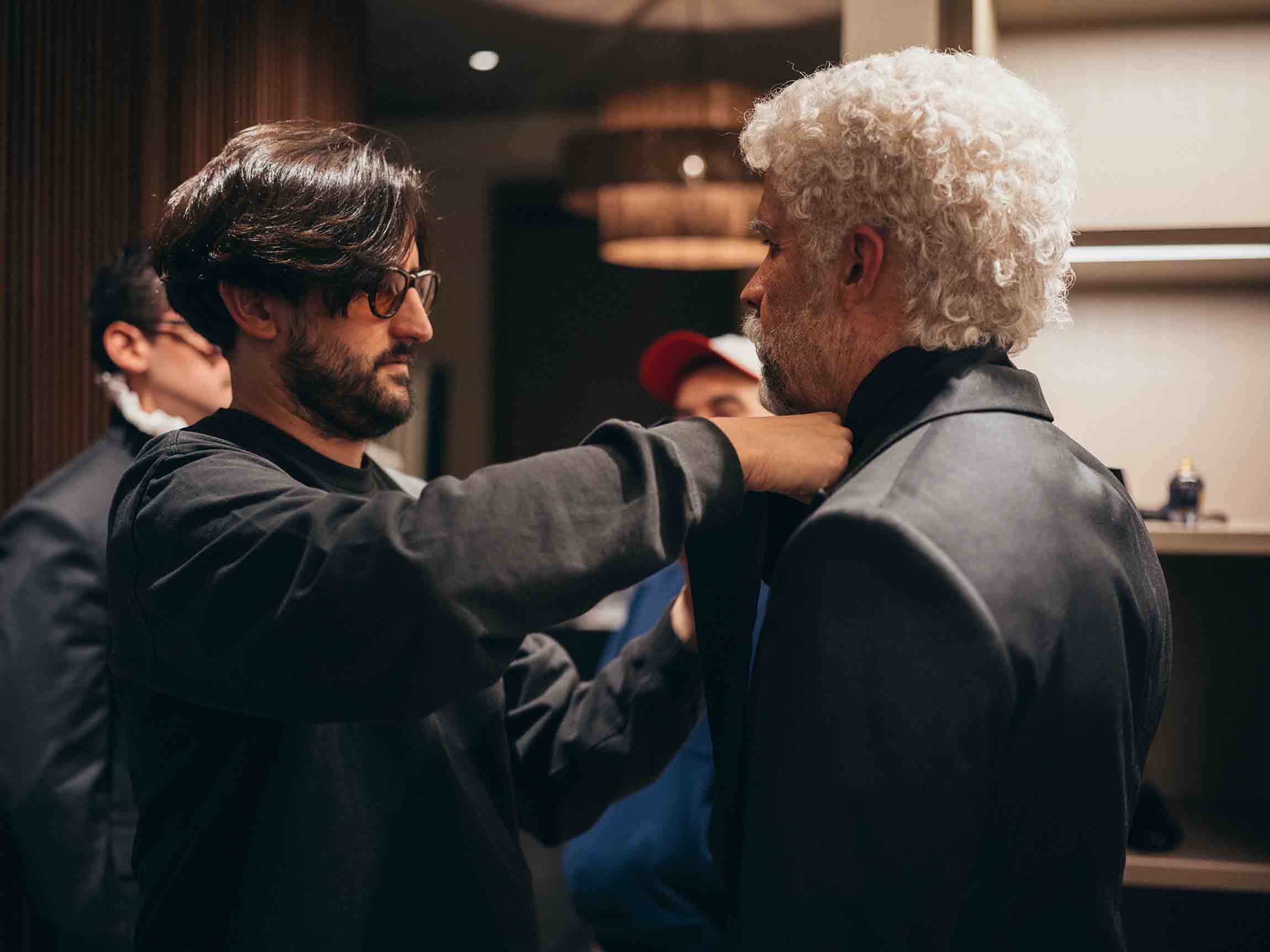
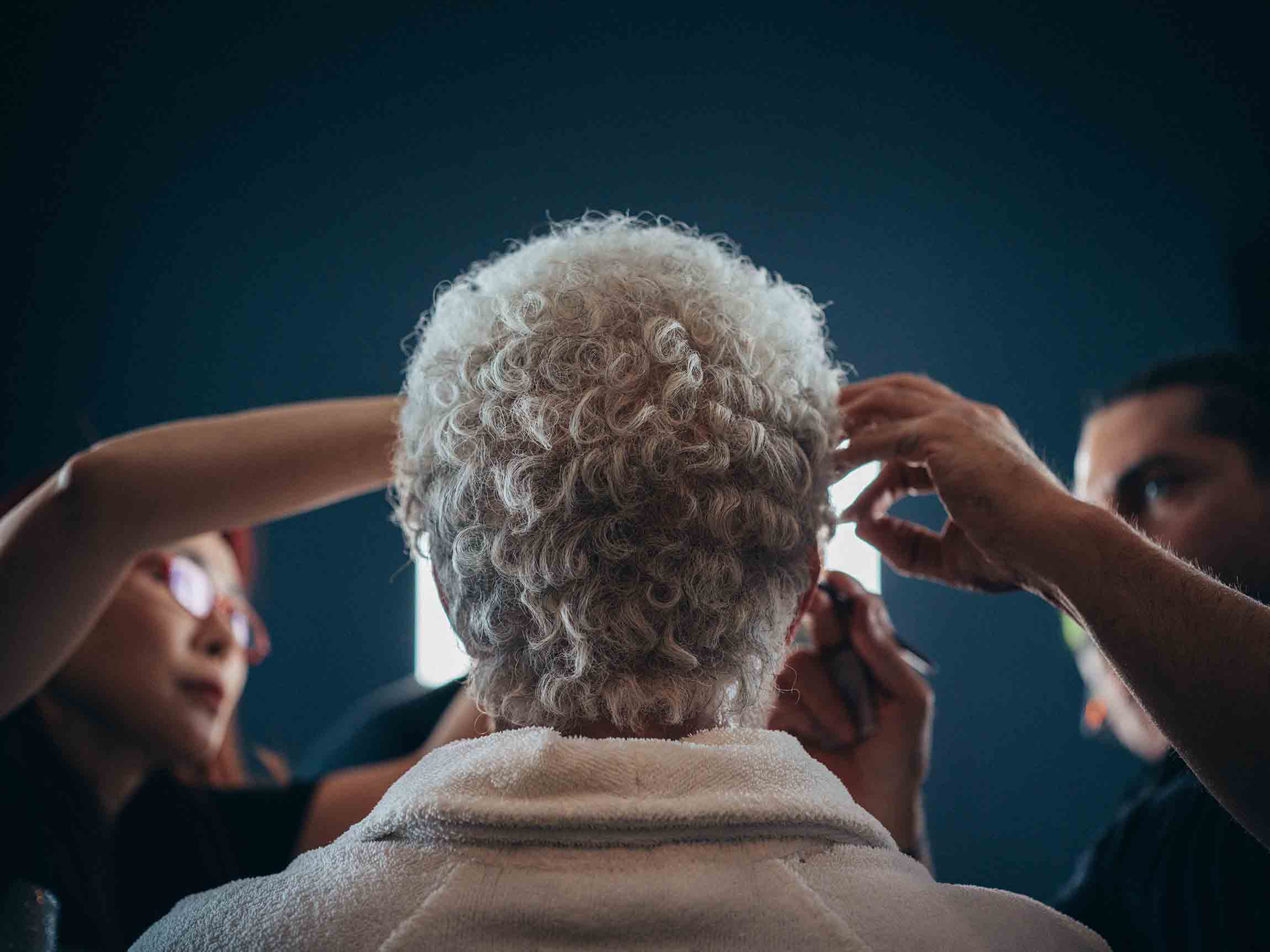
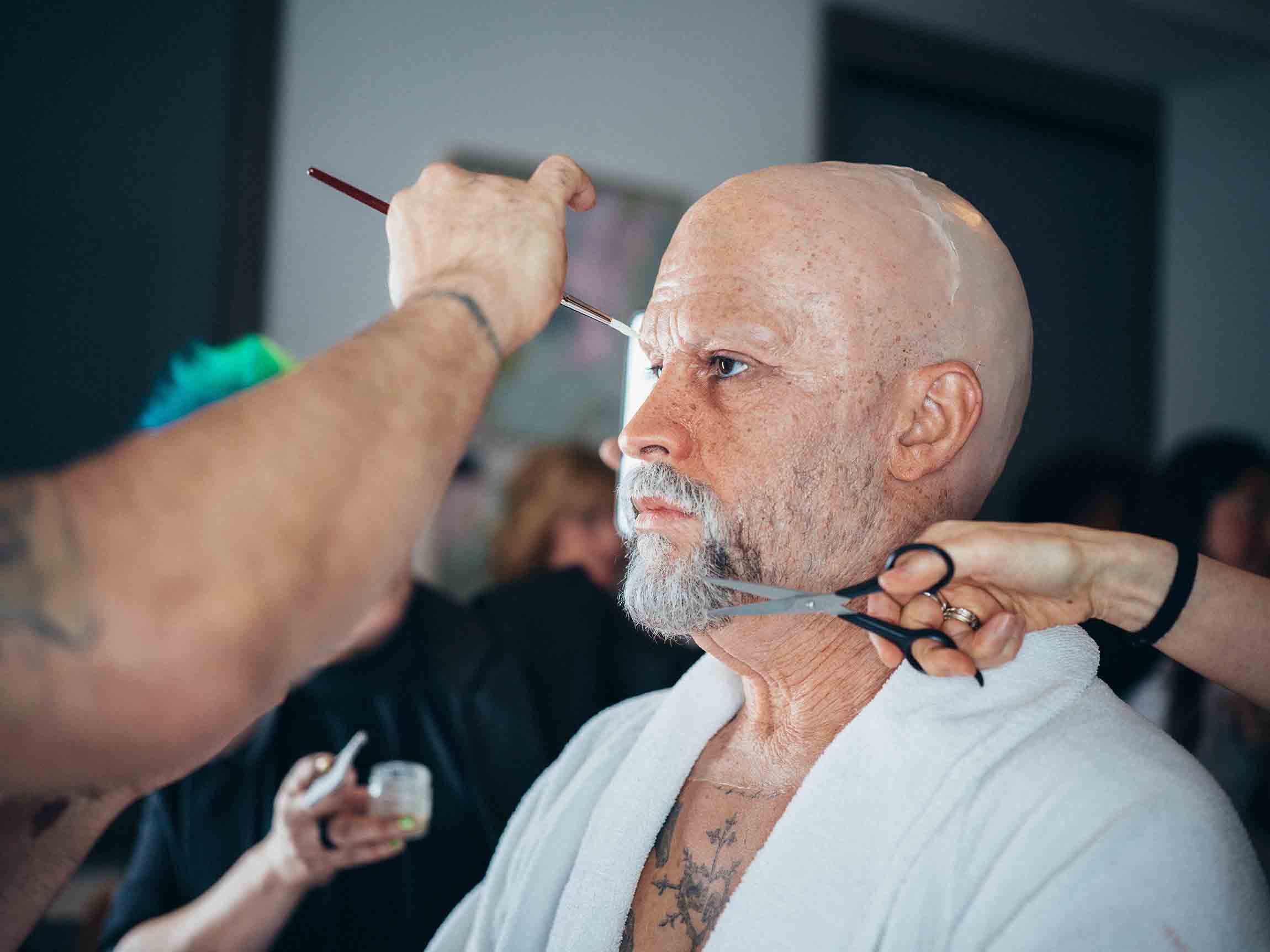
For Bad Bunny, the power of the look comes from how directly it pushes against celebrity culture’s obsession with youth. At a time when most red carpet fashion leans toward perfection, beauty, and preservation, Benito chose deterioration, maturity, and vulnerability. That contrast is what made the moment feel bigger than fashion. He was not just asking how he might age physically; he was asking what happens to image, masculinity, and fame when time becomes impossible to hide.
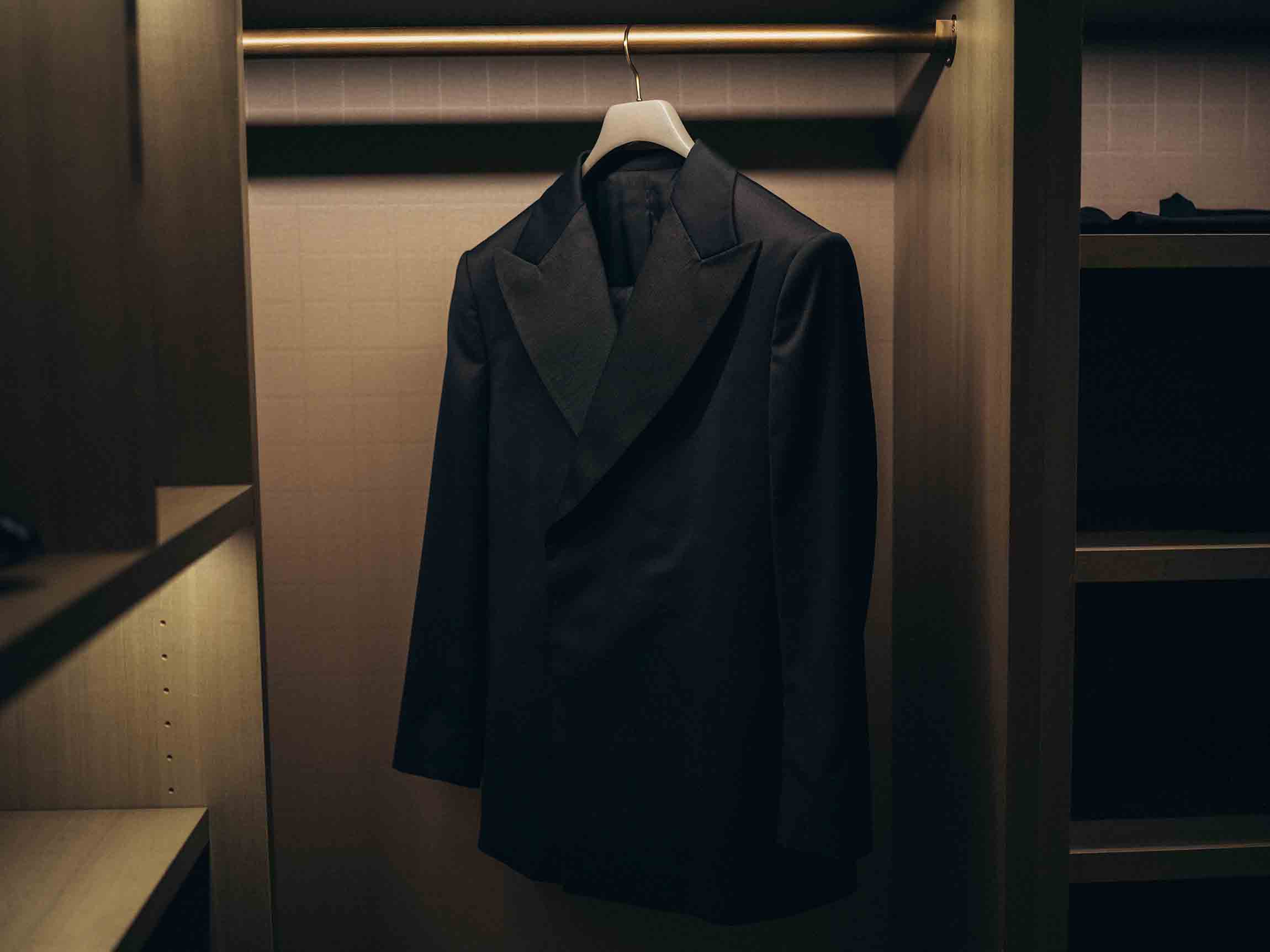
His all-black custom Zara look featured a dramatic oversized bow, creating a timeless silhouette that allowed the prosthetic transformation to carry the meaning. The suit did not age. He did. That distinction made the concept sharper, positioning Bad Bunny less as a guest chasing a theme and more as an artist interpreting it.
This also marks another step in Bad Bunny’s evolution as a global cultural figure. In past Met Gala appearances, he has used fashion to reference Puerto Rican identity, gender fluidity, and high-fashion experimentation. This year’s look felt more introspective. Instead of expanding outward into spectacle, he turned inward, using his own face and body as the canvas.
That matters because Bad Bunny’s influence now moves well beyond music. He continues to represent a generation of Latin artists who are not only entering elite cultural spaces but reshaping how those spaces read Latin identity. At the Met Gala, he did not dilute himself for fashion’s biggest room. He brought a fully formed idea and made the room respond to him.
The timing is also notable. As Latin music’s biggest stars become fixtures in global fashion, film, sports, and luxury campaigns, Bad Bunny remains one of the few who can turn a red carpet into a cultural conversation without needing to explain it. The look was strange, elegant, uncomfortable, and deeply intentional, exactly the kind of risk that keeps him ahead of the celebrity-fashion cycle.
Stream New Music & Mixes from Bad Bunny Now on the LaMezcla Music App
What comes next is the larger question. Bad Bunny has already proven he can dominate streaming, touring, fashion, and live performance. His 2026 Met Gala appearance suggests he is entering a phase where legacy itself becomes part of the art, not just what he is doing now, but how history will remember him.
For more Latin music, fashion, and culture coverage, follow LaMezcla.com and discover more artist-driven stories through the LaMezcla Music App.