



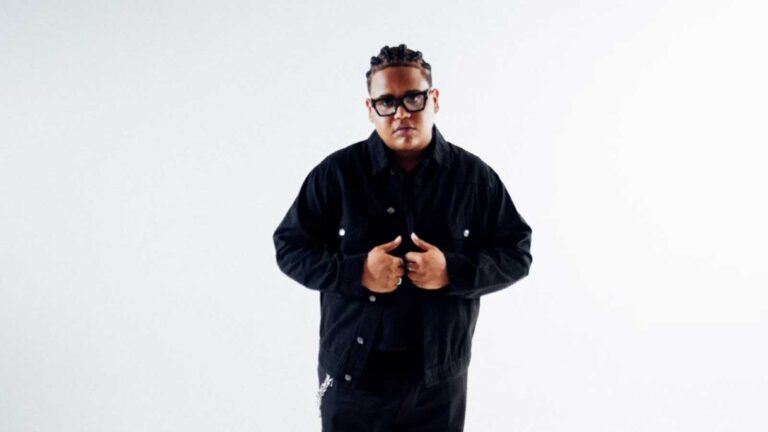

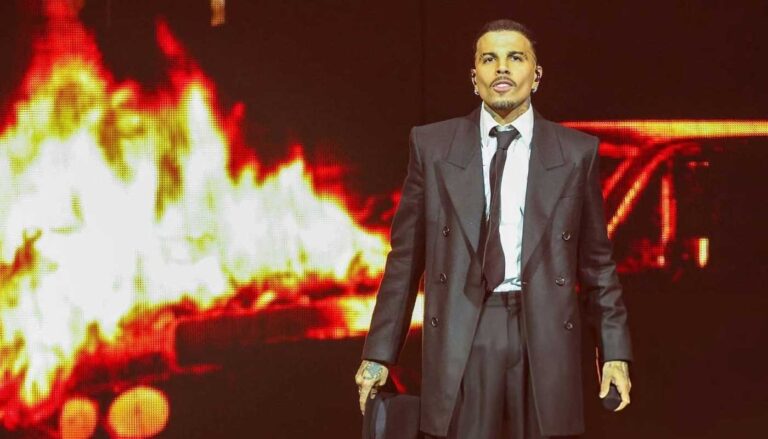
Bad Bunny, Rauw Alejandro and Maluma Lead Latino Takeover at the 2026 Met Gala

The 2026 Met Gala once again proved that Latin music is no longer entering global pop culture conversations, it is driving them.
Held Monday night at New York’s Metropolitan Museum of Art, this year’s Met Gala centered around the Costume Institute’s theme, The Aging Body, a concept that pushed celebrities toward more conceptual and emotionally layered interpretations on the red carpet. While Hollywood stars delivered expected luxury fashion moments, many of the night’s most talked-about appearances came from Latino artists who approached the event with storytelling, identity, and cultural symbolism at the center of their looks.
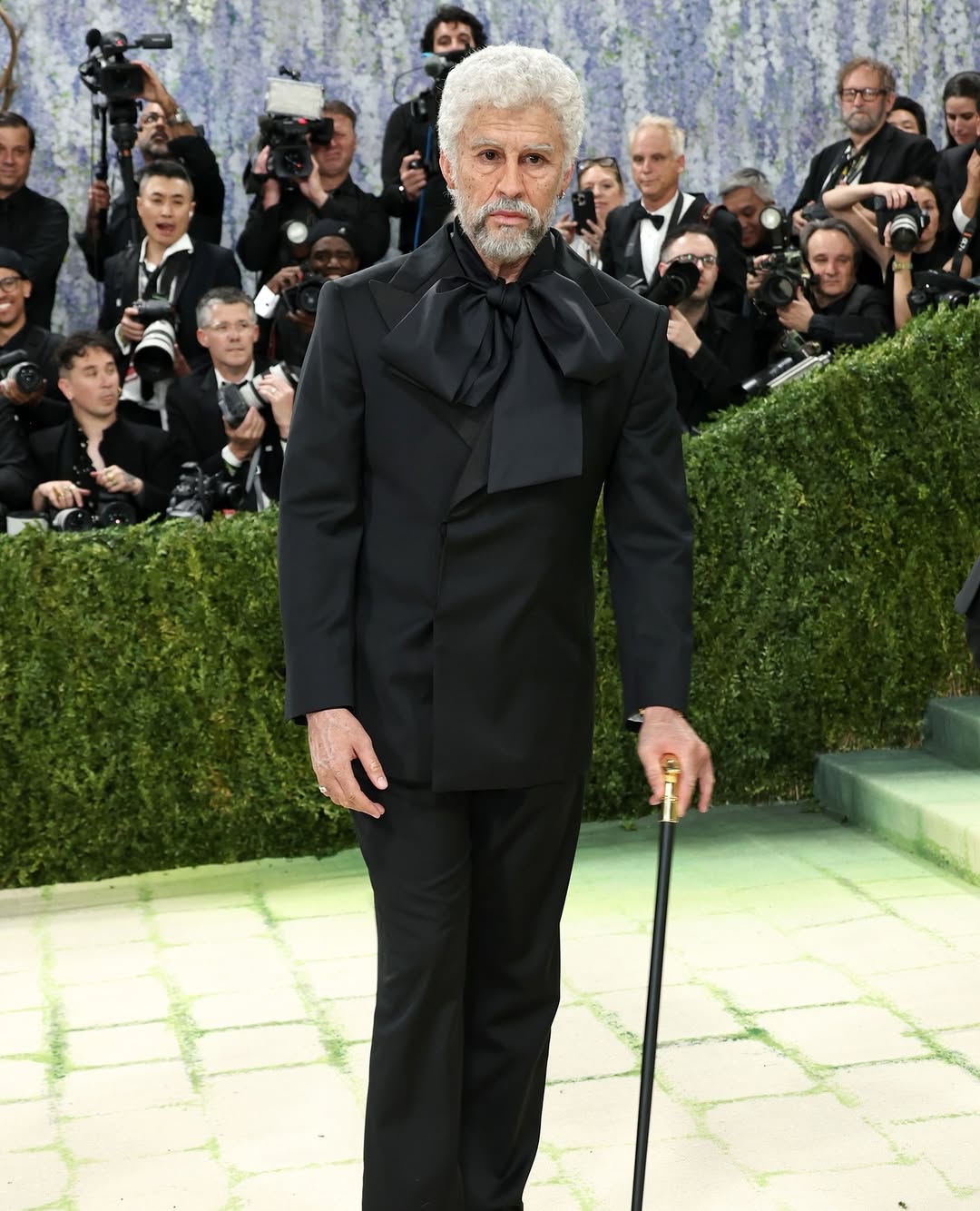
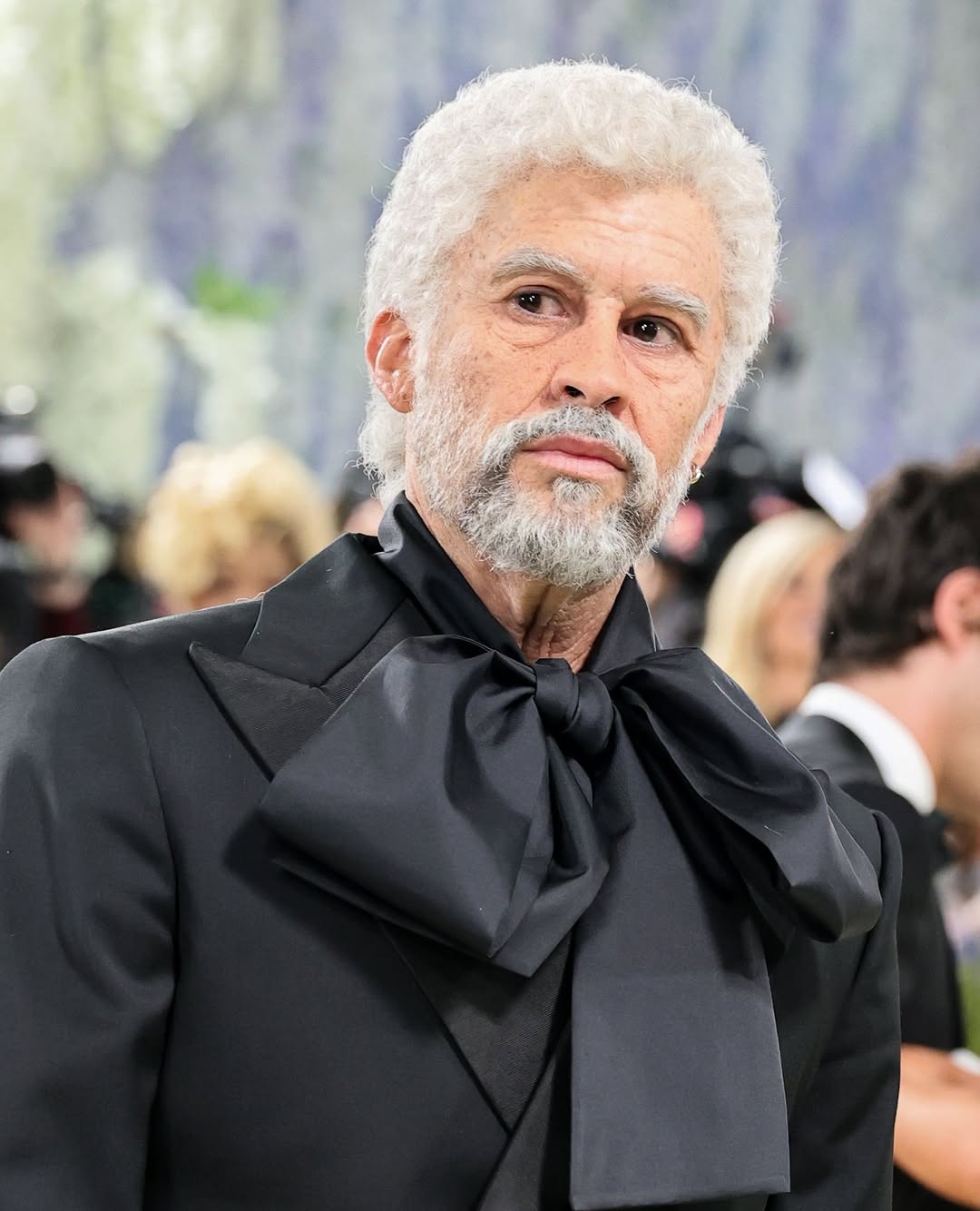
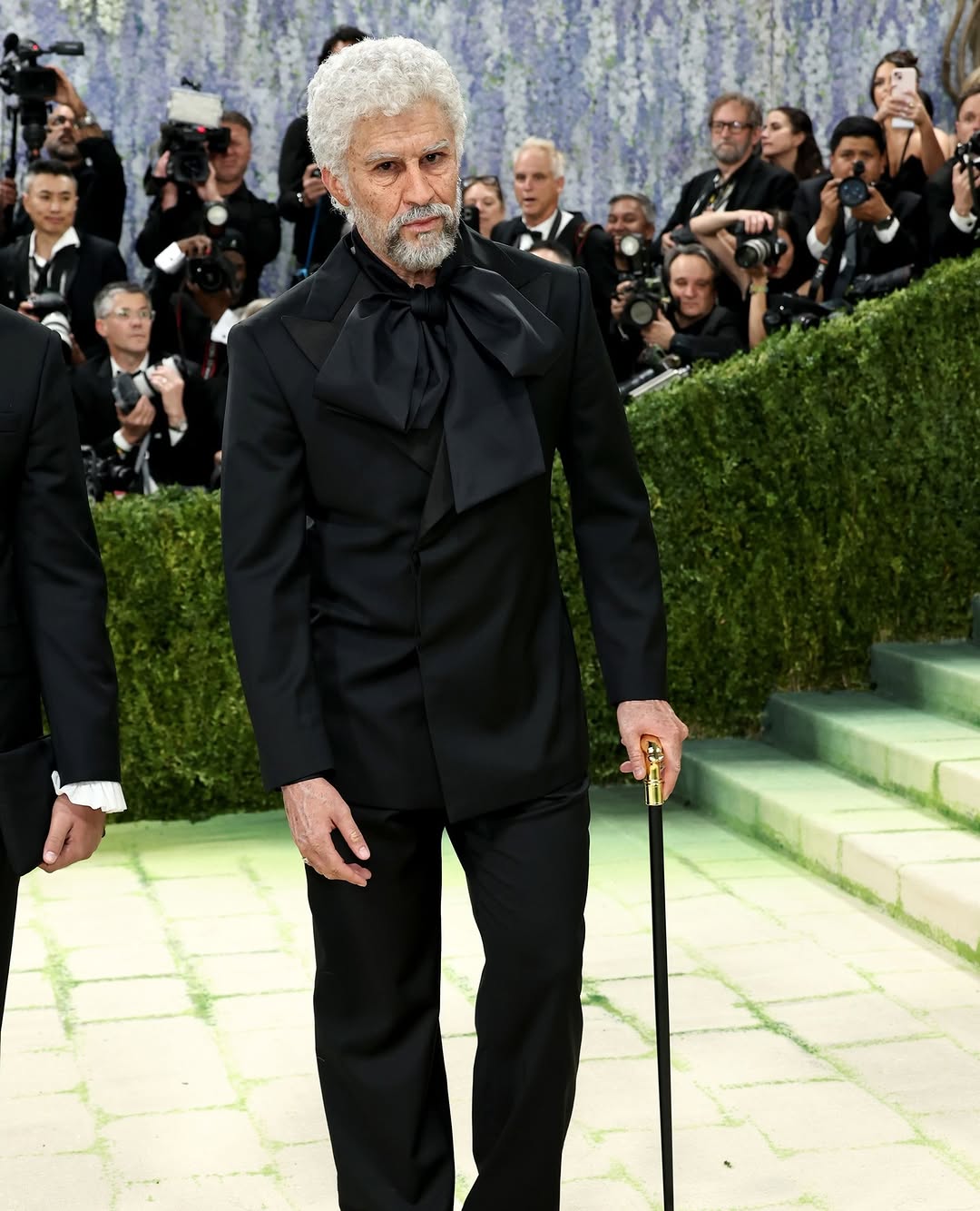
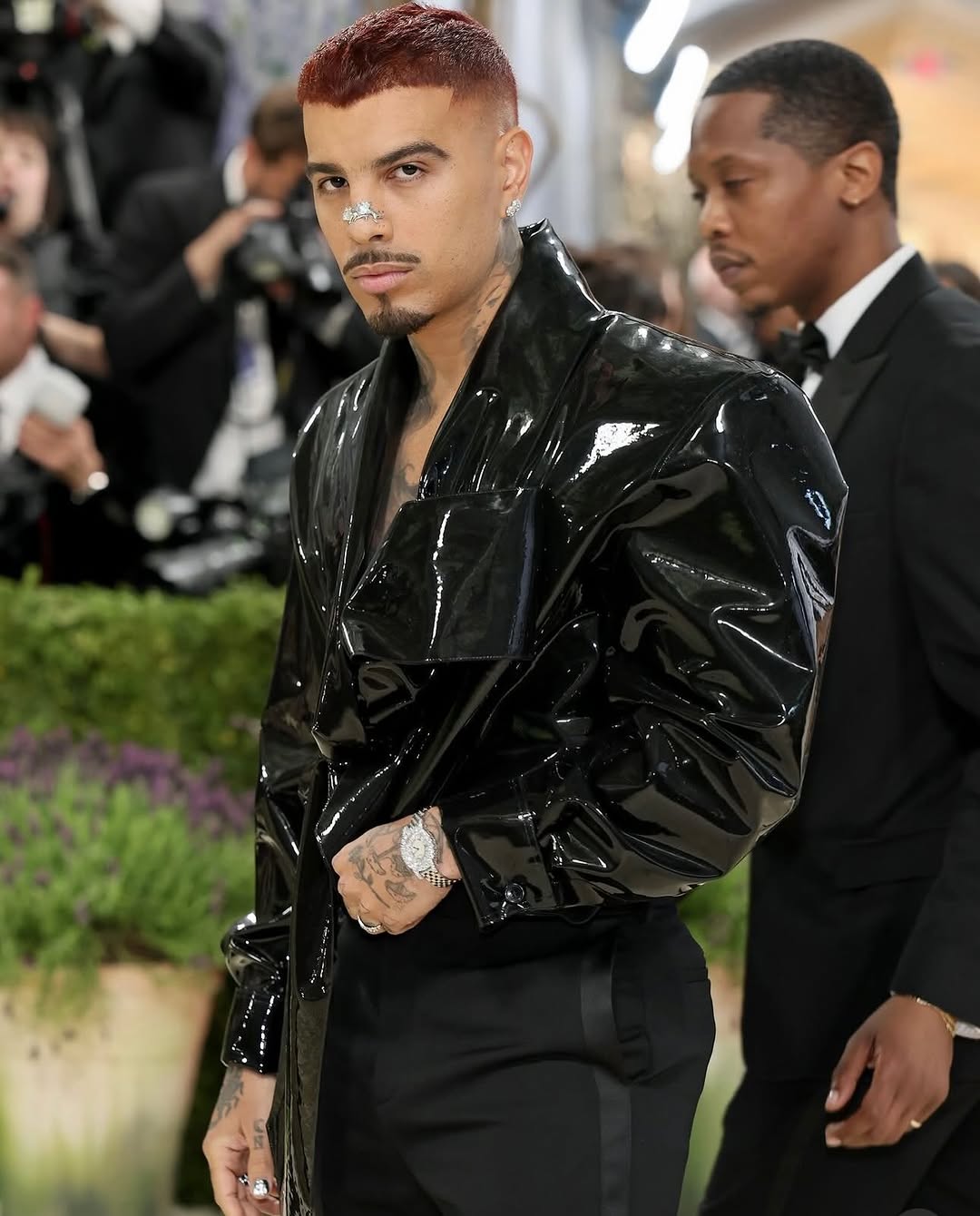
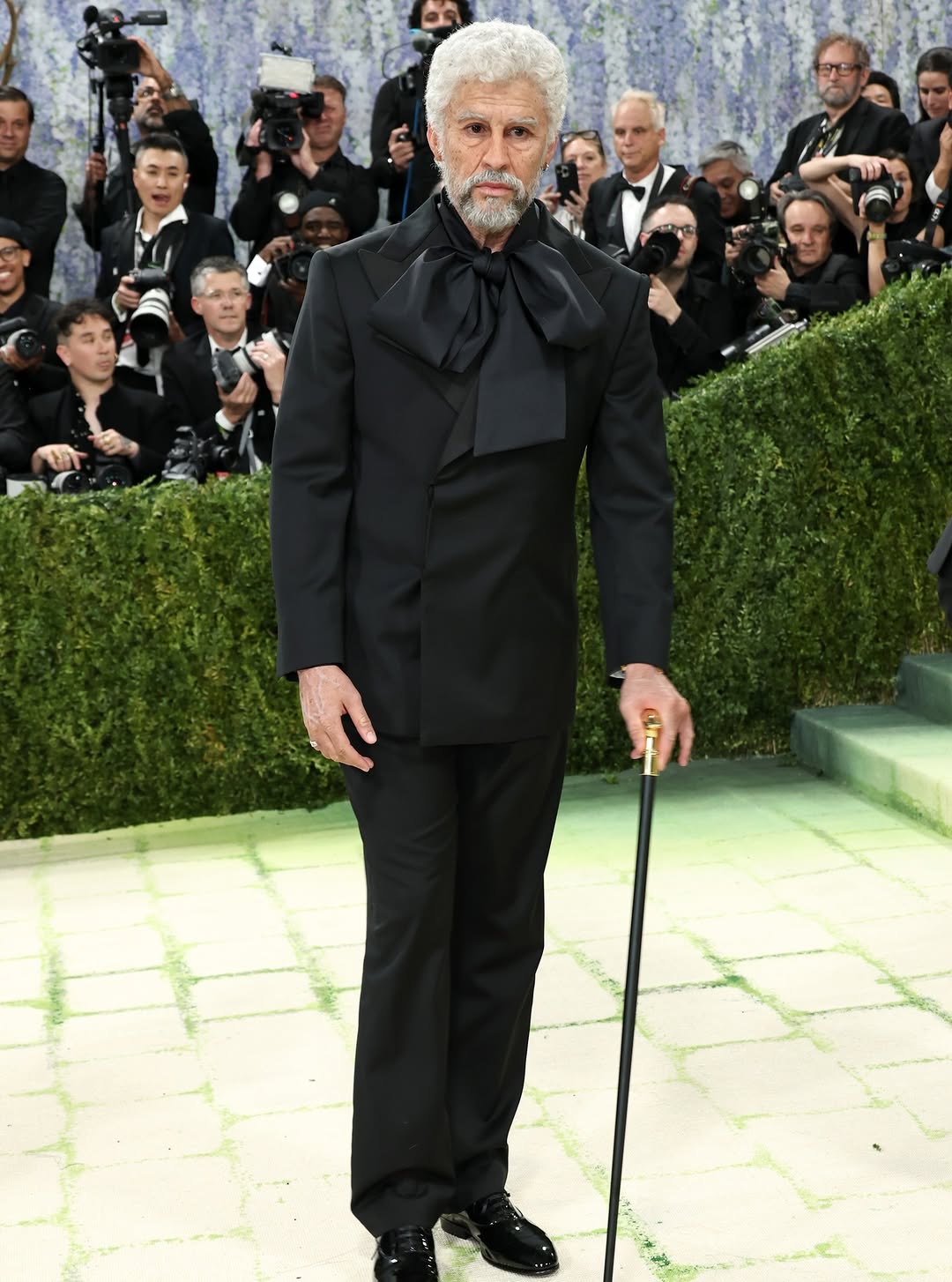
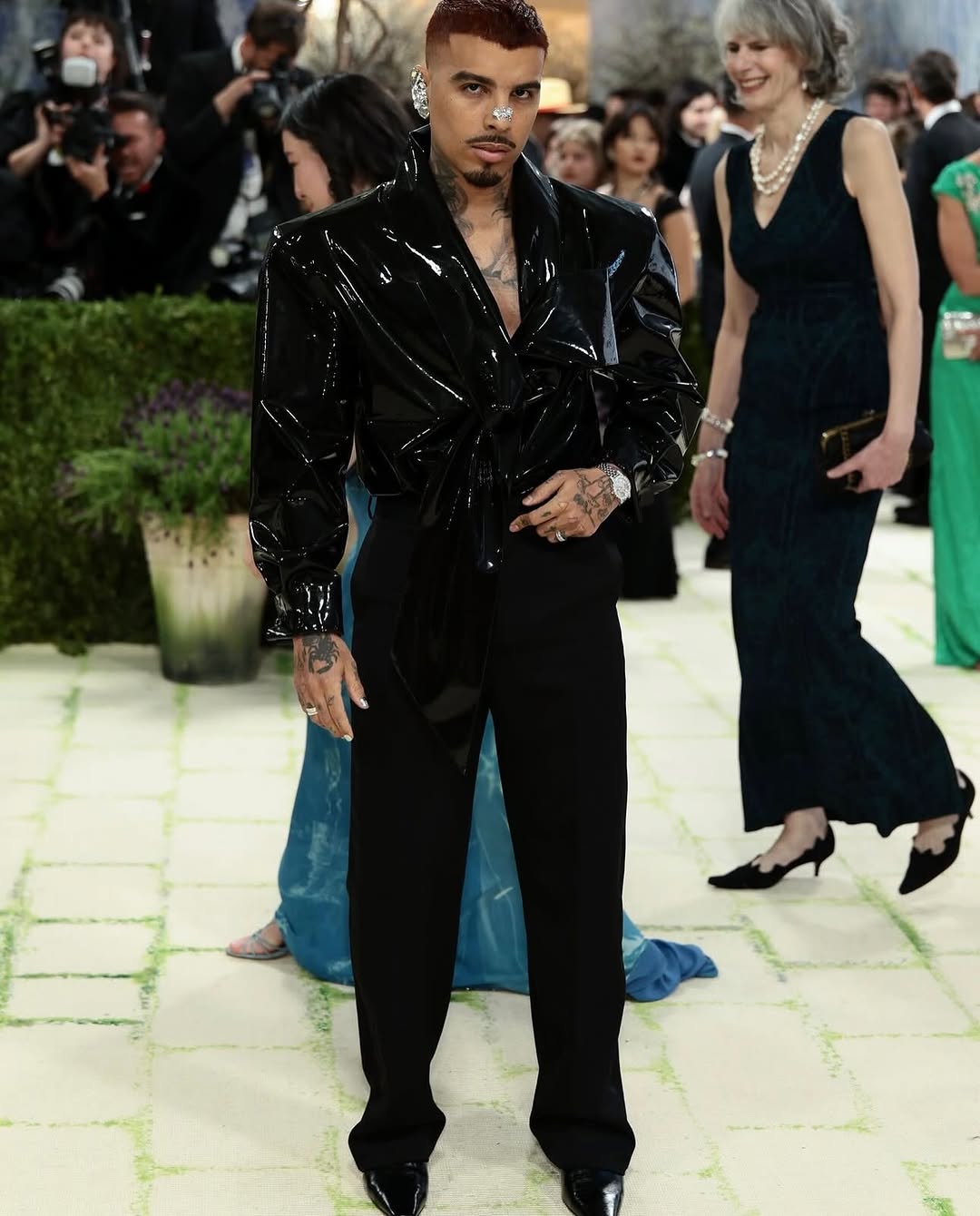
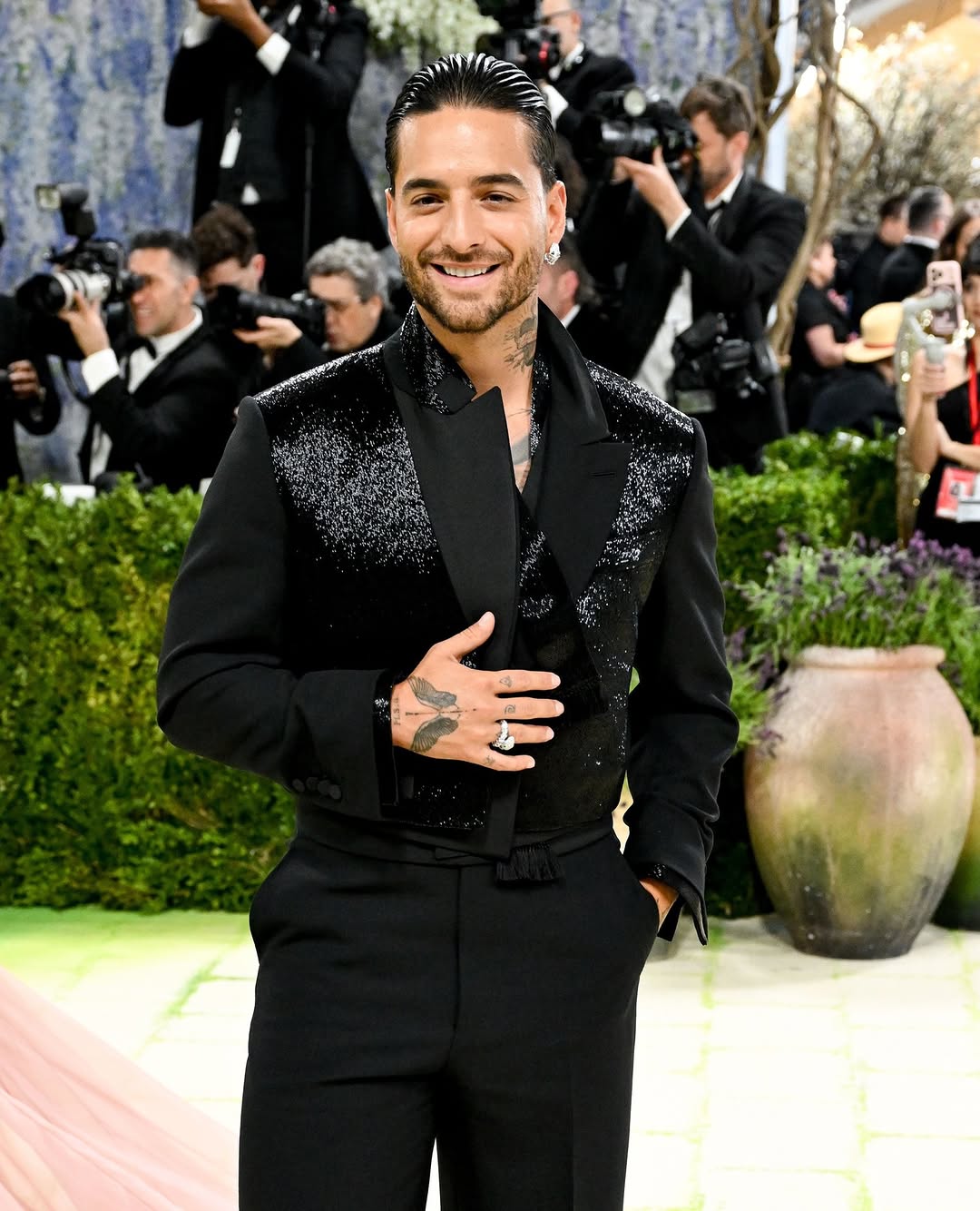
Leading the conversation was Bad Bunny, who arrived in perhaps the night’s most ambitious transformation. Rather than simply wearing couture, Benito appeared as an aged version of himself, complete with hyper-realistic prosthetics created by acclaimed makeup artist Mike Marino. The look imagined the global superstar decades into the future, confronting fame, aging, masculinity, and identity in a way that immediately dominated social media conversation.
The move felt particularly significant because it pushed Bad Bunny even further beyond the traditional boundaries of a music star attending a fashion event. Over the past several years, he has evolved into one of the defining cultural figures of modern Latin music, someone equally capable of shaping conversations in fashion, wrestling, film, and art. His Met Gala appearance reinforced that evolution while also showing how Latin artists are increasingly approaching fashion as narrative rather than branding.
That same shift was visible across the broader Latino presence throughout the night.

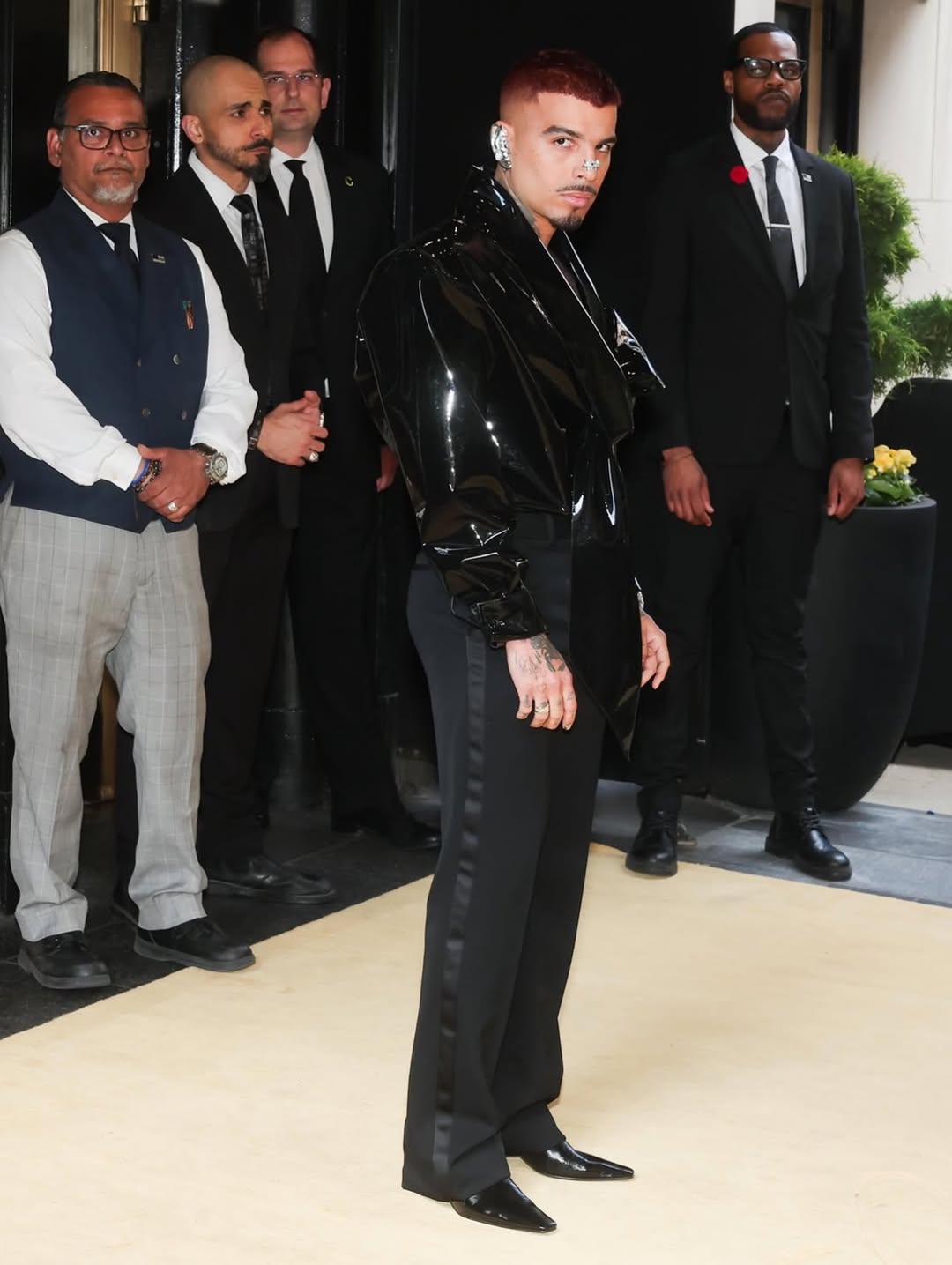
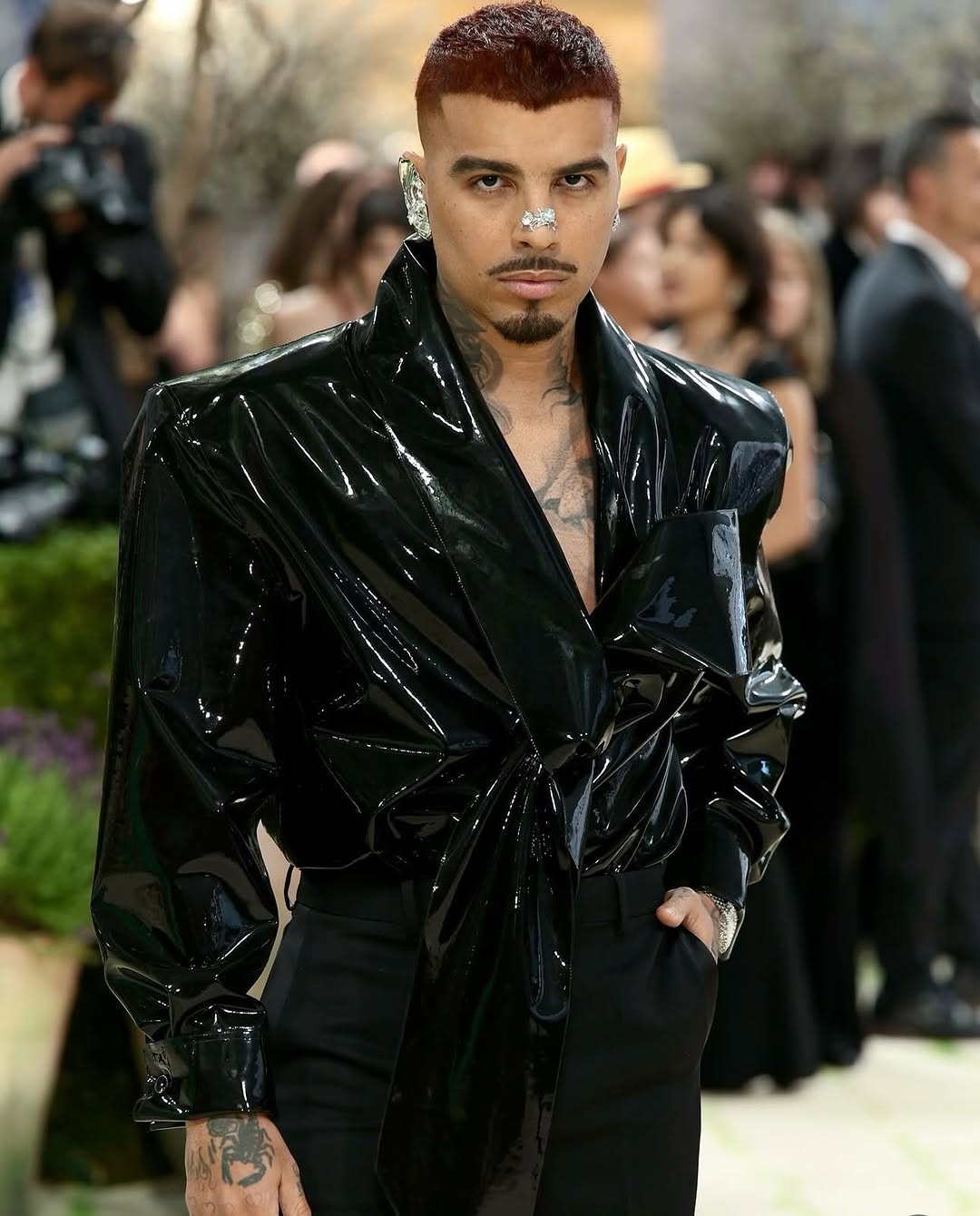
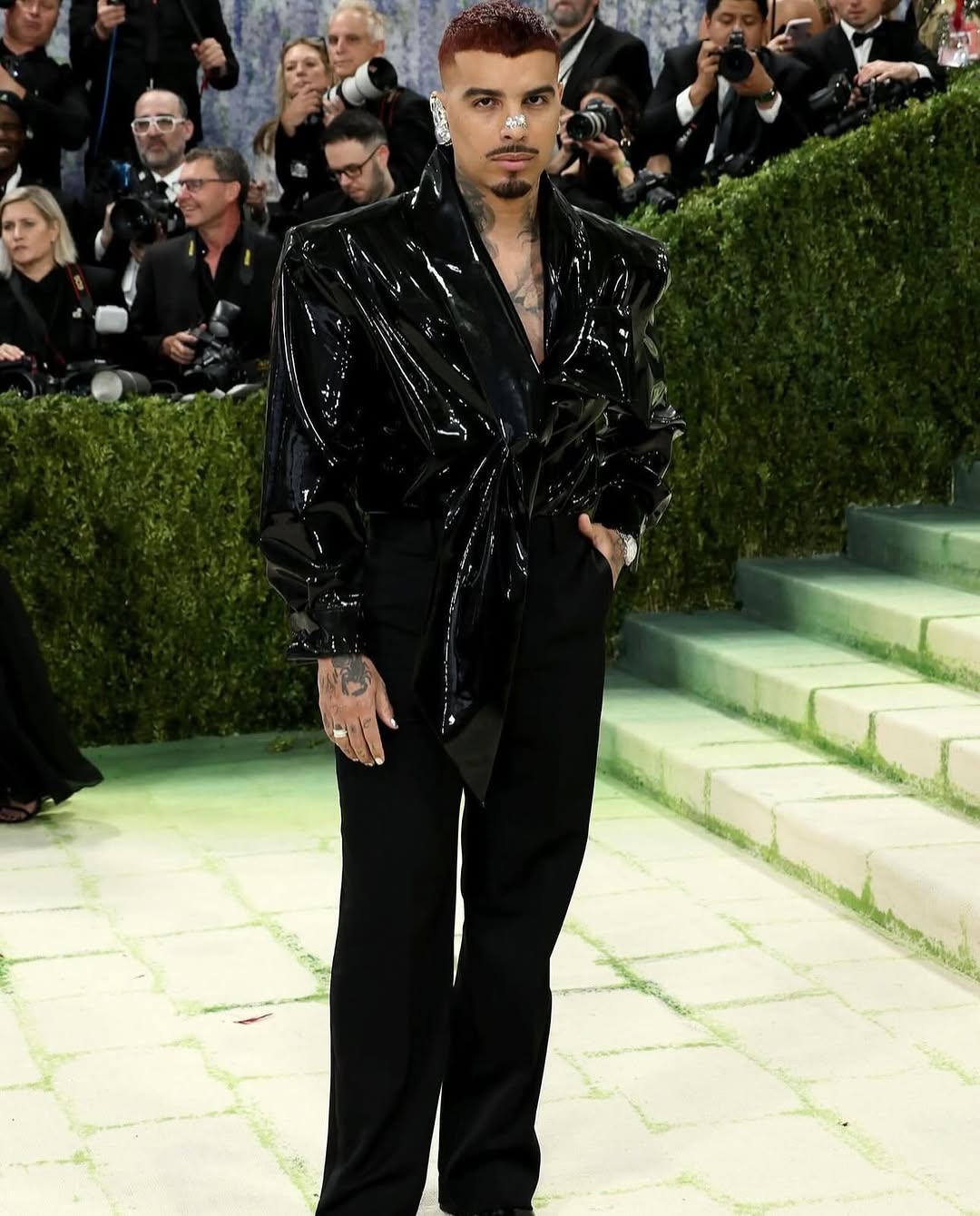
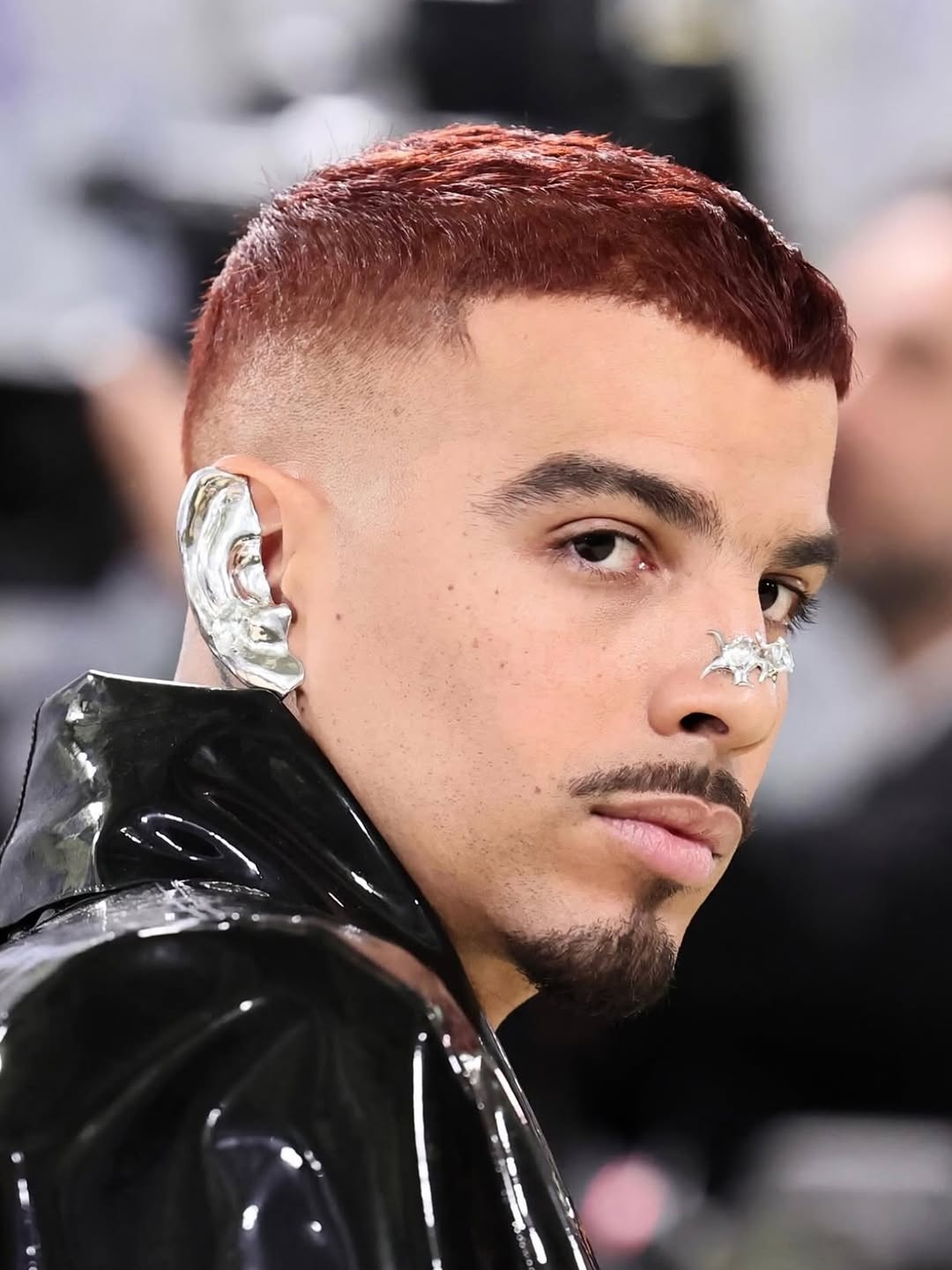
Rauw Alejandro arrived with one of the evening’s sharpest modern tailoring moments, balancing contemporary elegance with a darker cinematic aesthetic that aligned naturally with the Gala’s reflective theme. The appearance continues Rauw’s growing positioning inside luxury fashion circles, an area where he has steadily expanded his visibility alongside his musical evolution.
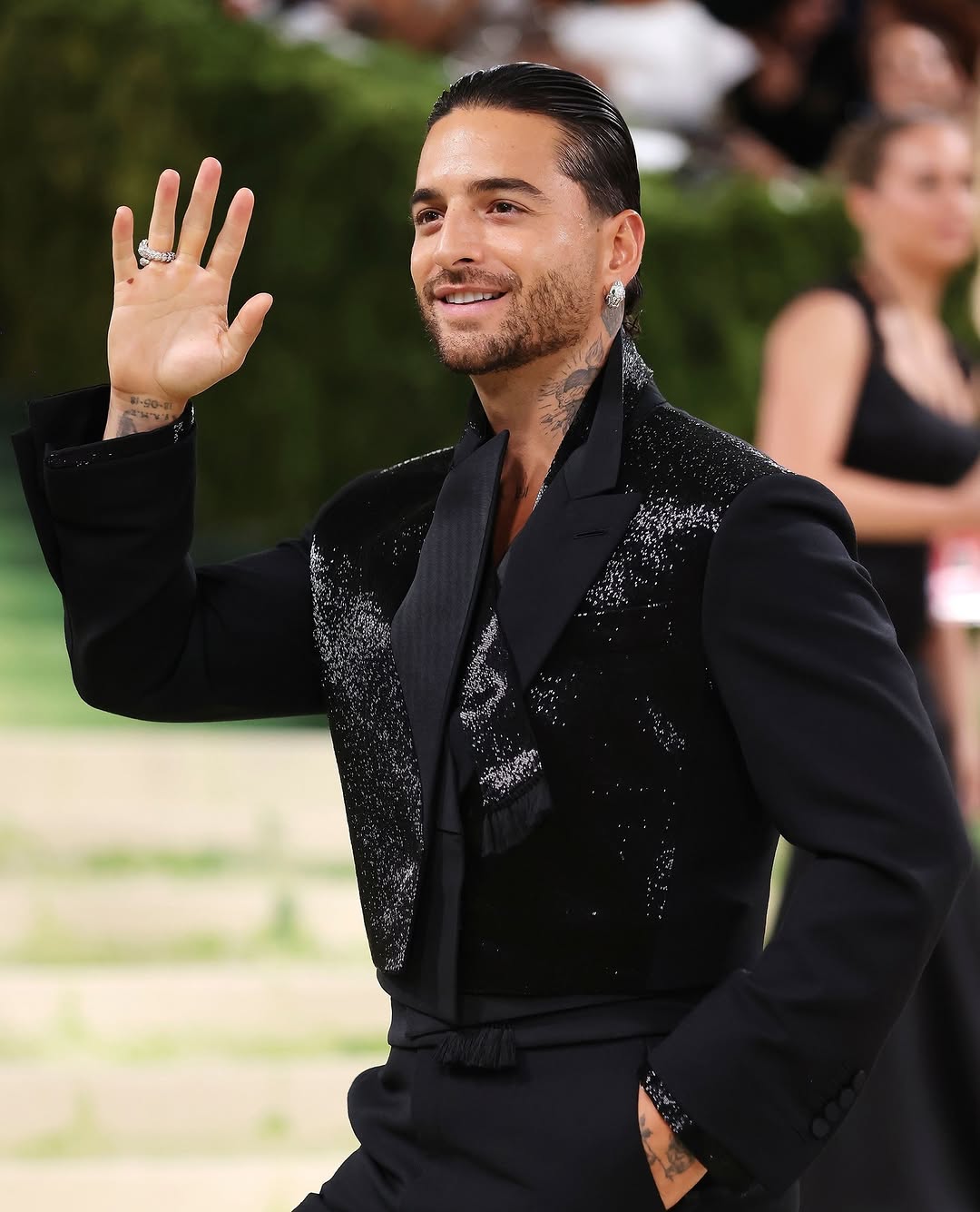
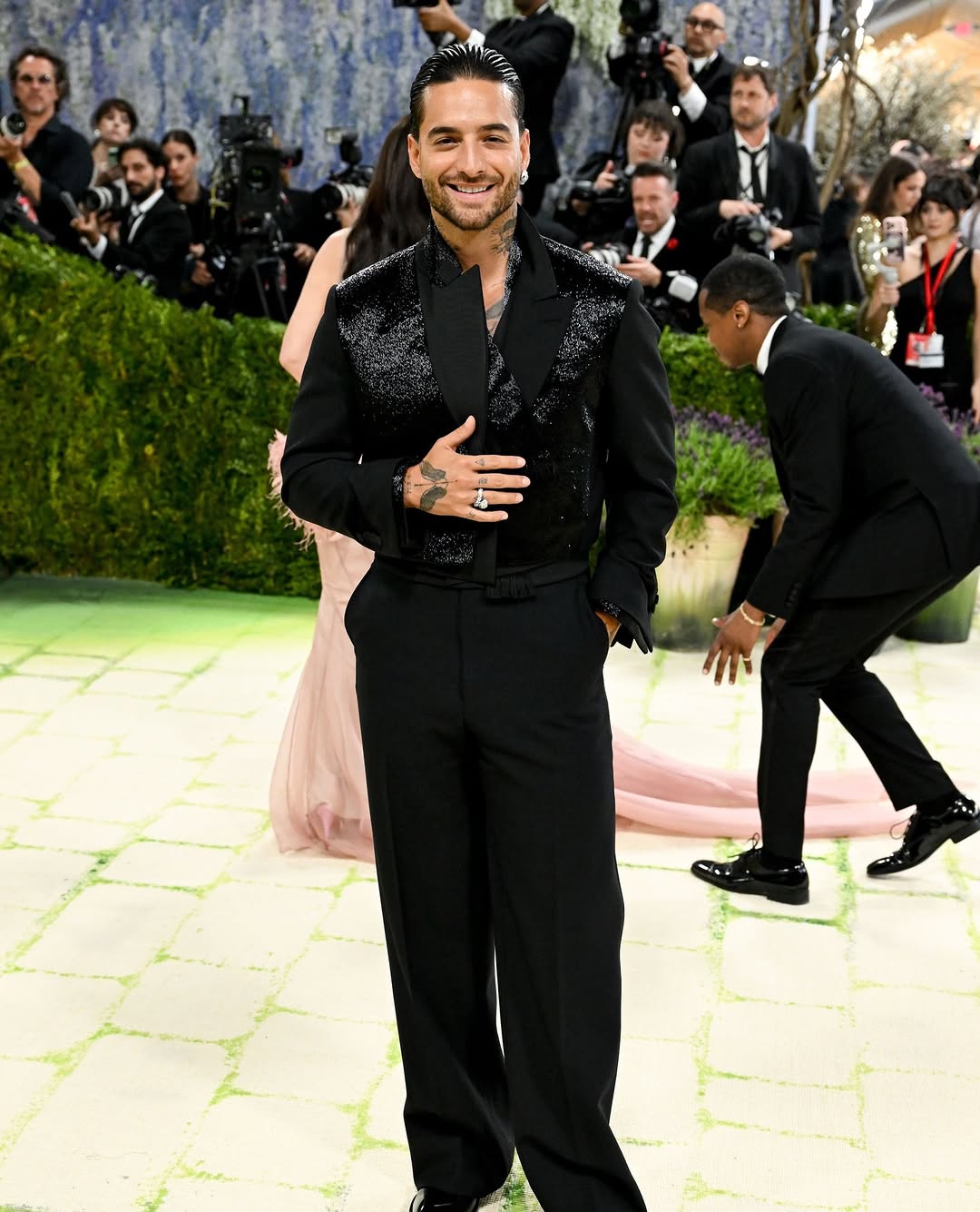
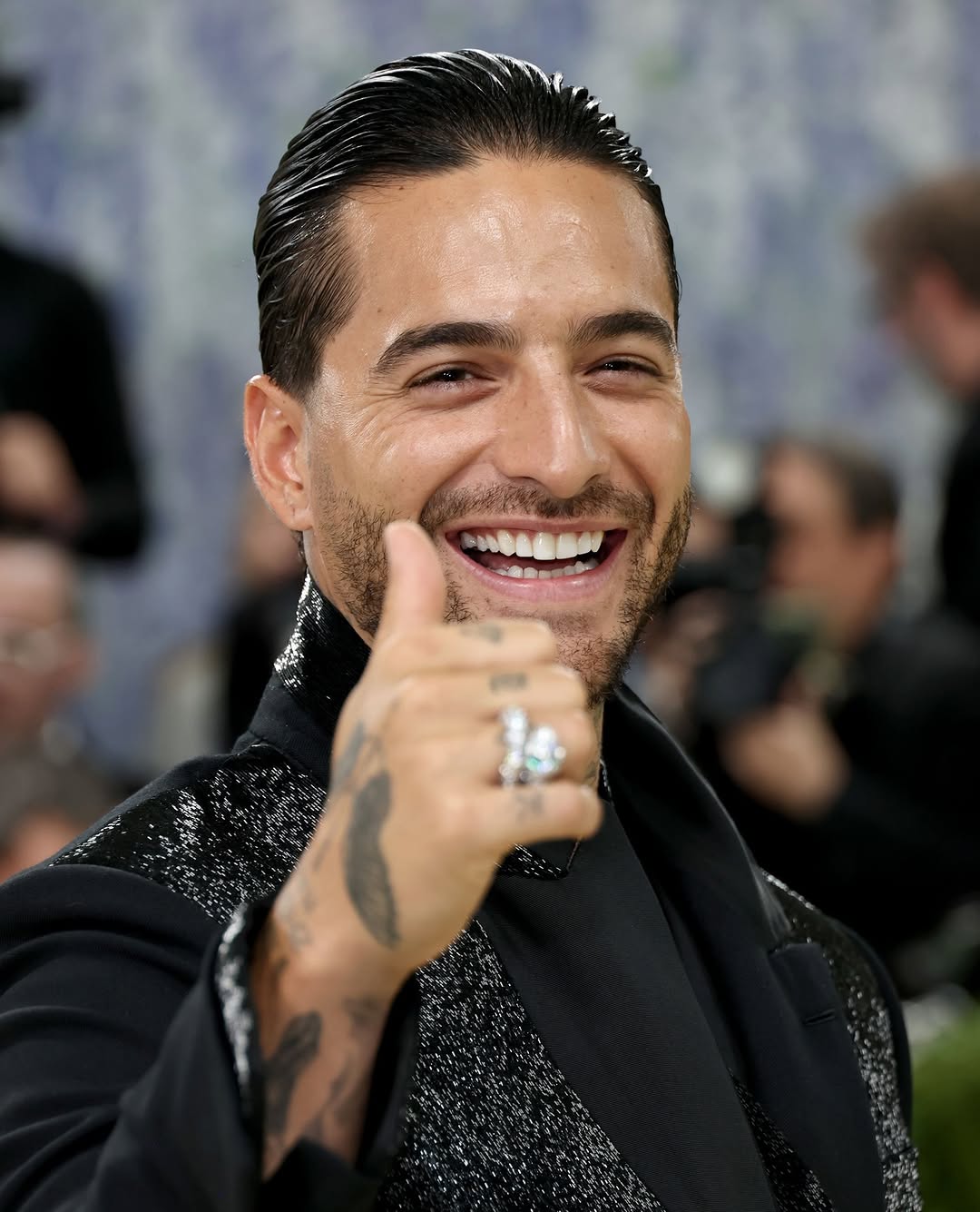
Meanwhile, Maluma delivered one of the night’s cleanest classic menswear looks, leaning into sophistication over spectacle. The Colombian star has increasingly embraced luxury and lifestyle branding over the past few years, and his Met Gala presence highlighted how Latin artists are now fully integrated into the same high-fashion ecosystem traditionally dominated by American and European celebrities.
Other Latino figures throughout the evening included actors, musicians, designers, and creatives who collectively reflected the expanding global footprint of Latin culture across entertainment and fashion. The visual dominance of Latino talent throughout the night also mirrored a broader reality inside music itself: Latin artists are no longer treated as niche international guests within mainstream spaces. They are now central figures driving streaming, touring, fashion partnerships, and cultural influence globally.
The timing is notable because it arrives during a period where Latin music continues expanding beyond genre-specific audiences. Over the last several years, artists from reggaeton, Latin trap, música mexicana, bachata, and Latin pop have increasingly used fashion, branding, and visual storytelling to extend their influence far beyond music platforms. Events like the Met Gala have effectively become another stage for that expansion.
For artists like Bad Bunny, Rauw Alejandro, and Maluma, the Met Gala is no longer simply about celebrity visibility. It functions as a strategic cultural positioning moment, one capable of reinforcing identity, elevating prestige, and strengthening crossover influence across industries.
What stood out most this year was the confidence behind the Latino representation. Previous Met Gala cycles often framed Latin artists as breakout attendees entering elite fashion spaces. That dynamic has changed. In 2026, Latino stars arrived as established global forces fully aware of their influence on music, internet culture, luxury branding, and audience engagement.
The broader industry implications are difficult to ignore. Fashion houses increasingly view Latin artists as essential partners for global campaigns, particularly as Latin music continues outperforming expectations across streaming and live touring. The Met Gala reflected that reality in real time, with Latino talent commanding major coverage across entertainment outlets, social media feeds, and fashion analysis throughout the night.
For Bad Bunny specifically, the evening may ultimately be remembered as another defining moment in his ongoing transformation from music superstar into full-scale cultural architect. Rather than chasing virality, he used one of fashion’s biggest stages to present commentary, something few artists successfully achieve at an event built around visual spectacle.
As the images and videos from the night continue circulating online, the 2026 Met Gala will likely be remembered as another milestone in Latin music’s ongoing dominance of global pop culture. Not because Latino artists were simply invited into the room, but because they helped define the entire conversation once they arrived.
As Latin artists continue reshaping music, fashion, and global culture simultaneously, moments like the Met Gala are becoming extensions of the industry itself. Stay connected with LaMezcla.com for continued coverage of the artists, trends, and cultural movements defining Latin music worldwide, and discover more through the LaMezcla Music App.