


J Balvin Brings Global Hits and Brazilian Guests to Rock in Rio 2026
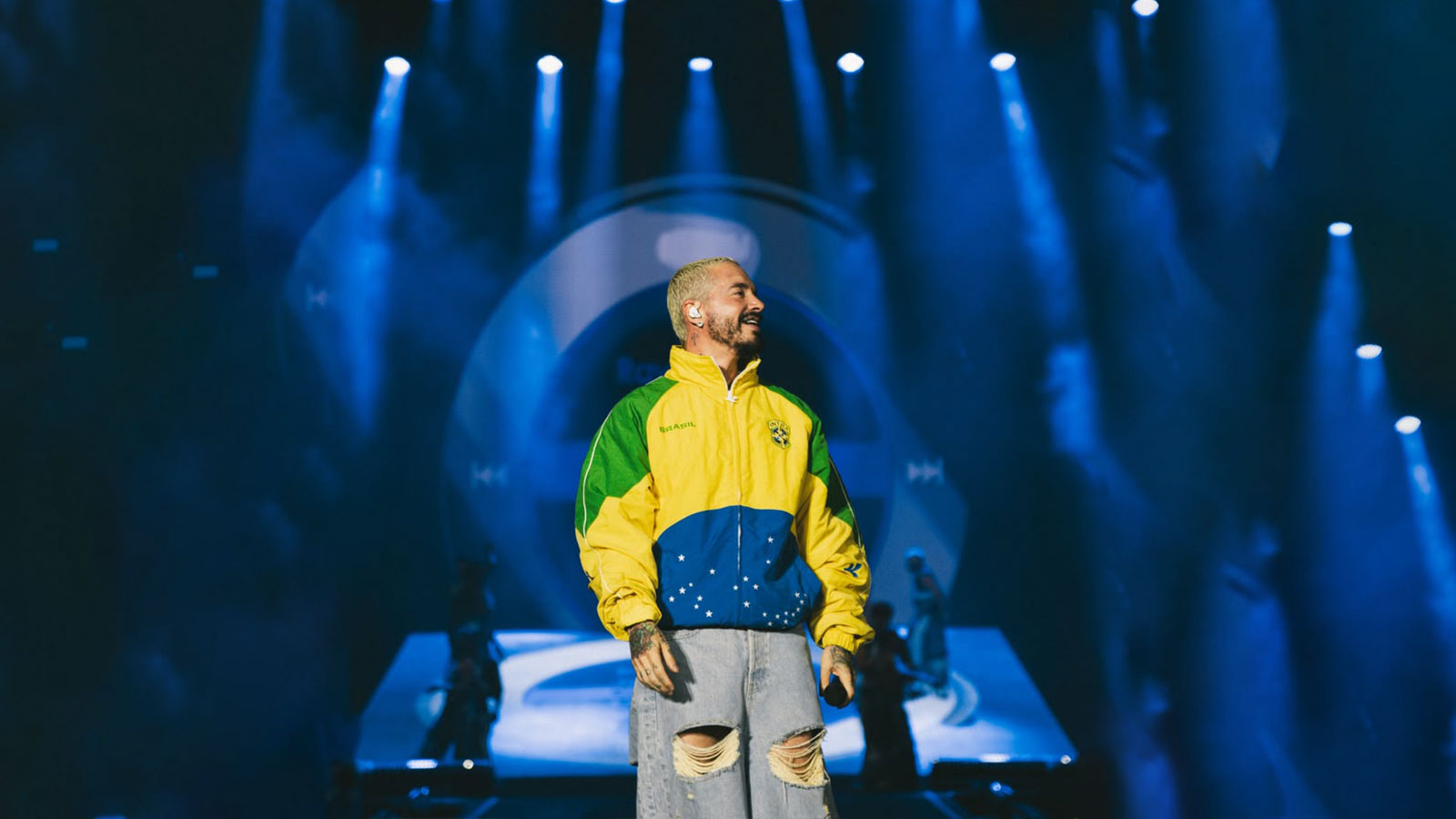
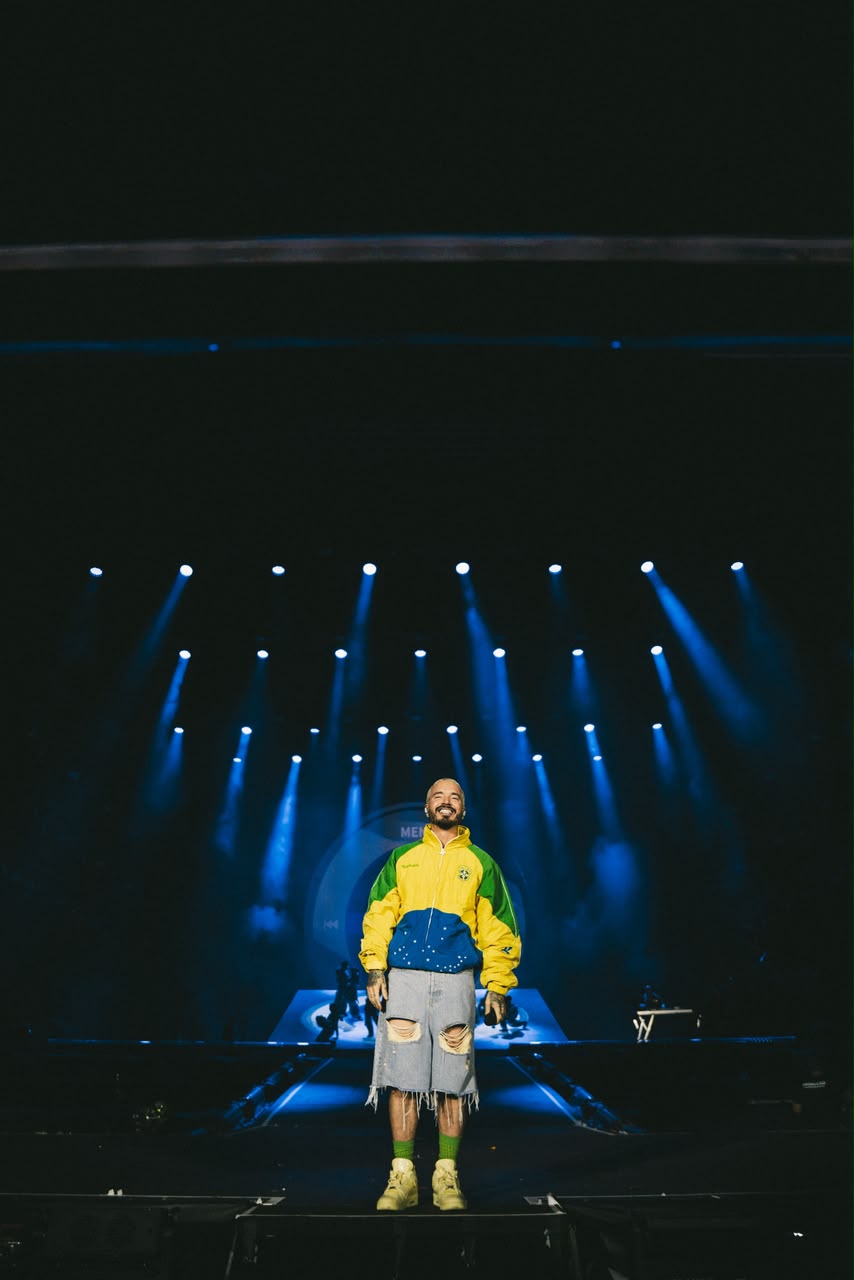
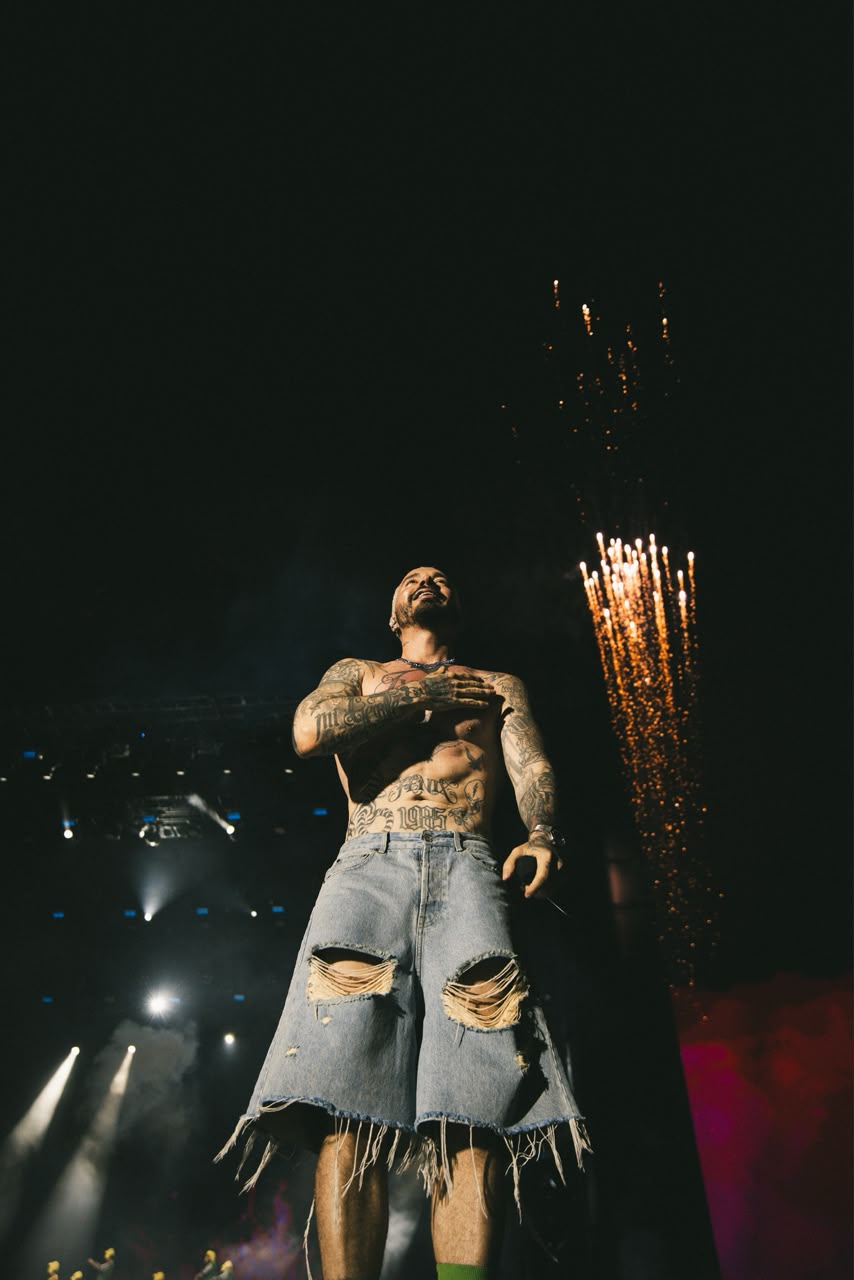
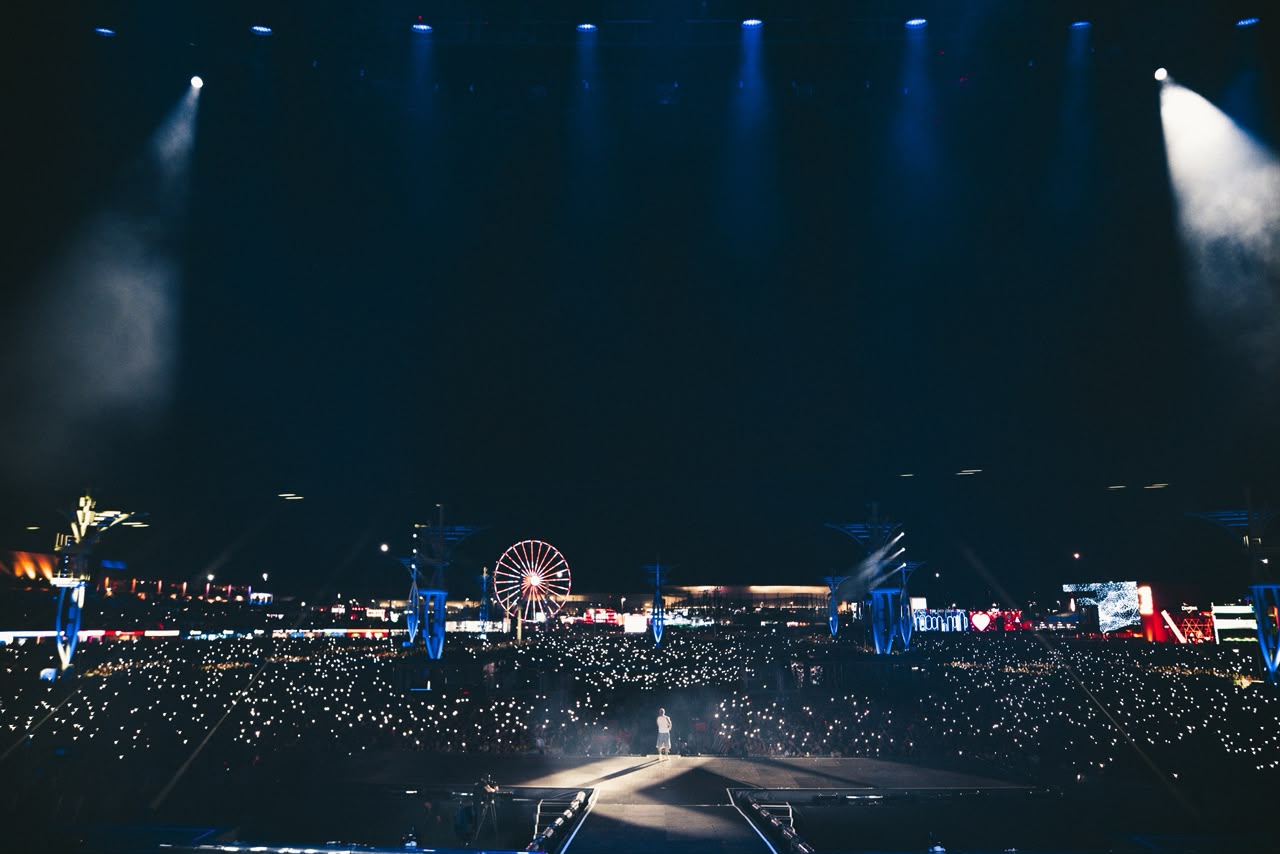
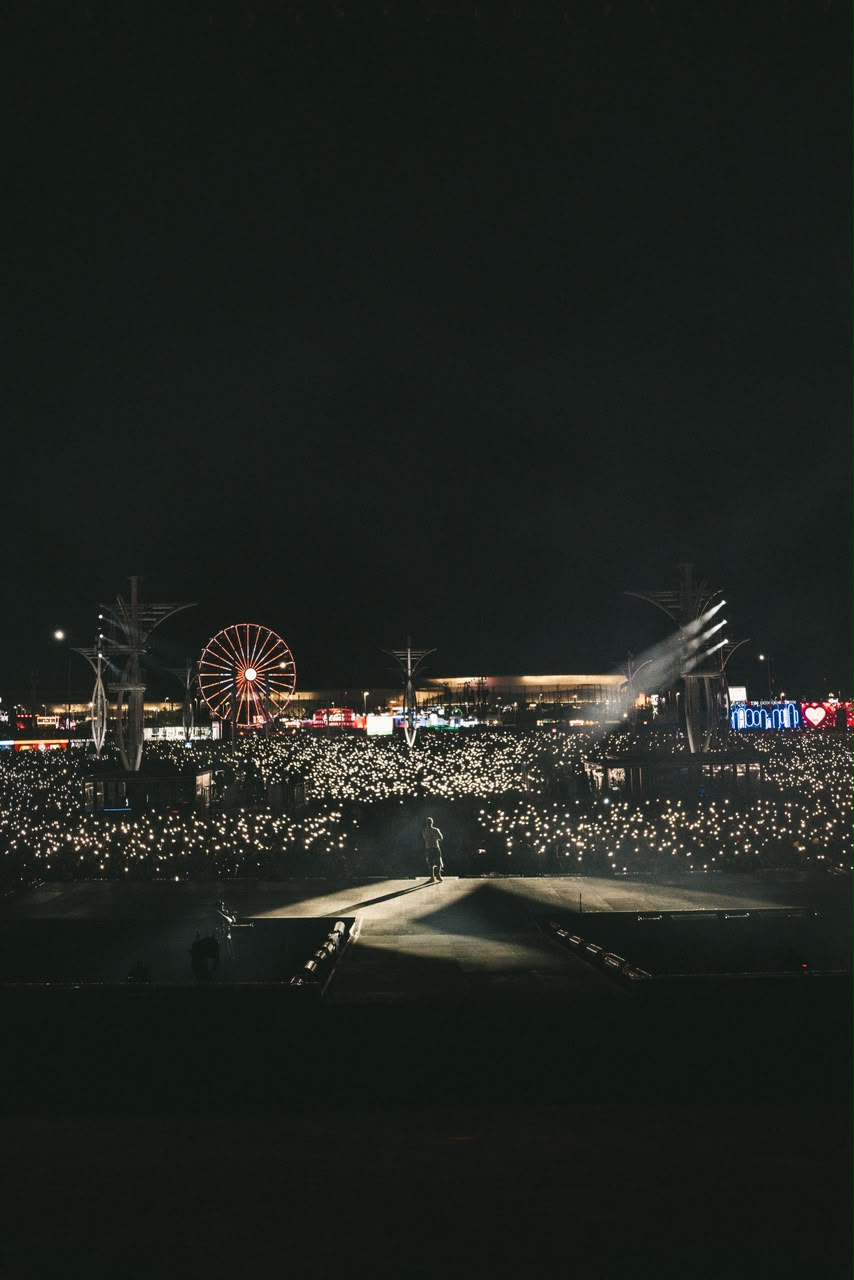
J Balvin returned to one of Latin America’s biggest festival stages Saturday night, taking over Rock in Rio’s Palco Mundo with an hour-long performance that doubled as both a retrospective of his global catalog and a celebration of his connection with Brazil.
Performing September 12 in Rio de Janeiro, the Colombian superstar moved through nearly a decade of records that helped push reggaeton deeper into the global mainstream, from “Ginza” and “Mi Gente” to collaborations and newer material including “Perversa.” But rather than treating the appearance as a straightforward greatest-hits set, Balvin increasingly brought Brazil into the center of the performance, turning one of the festival’s biggest stages into a meeting point between reggaeton and Brazilian pop and funk.
Balvin opened with “Mi Gente” before moving into “Bola Rebola,” immediately establishing the cross-cultural direction of the show. His set continued through songs including “Loco Contigo,” “Con Altura,” “Reggaeton,” “Amarillo,” “Morado,” “Azul,” “I Like It,” “Safari,” “Ginza” and “Downtown,” revisiting different periods of a catalog that became central to reggaeton’s international expansion.
The scale matched the setting. Palco Mundo, Rock in Rio’s main stage, placed Balvin alongside Saturday’s lineup of Pedro Sampaio, Demi Lovato and headliner Maroon 5, giving reggaeton a prominent position within a night otherwise anchored heavily in global pop.
That positioning matters. Earlier in Balvin’s career, appearances at major international festivals carried an additional significance: they represented reggaeton breaking into spaces where Spanish-language artists historically had limited visibility. At this stage, Balvin’s presence carries a different meaning. He is no longer arriving simply as evidence of reggaeton’s crossover potential. His catalog is now part of the global festival vocabulary.
The strongest moments in Rio came when that established catalog collided directly with Brazil’s own music ecosystem.
Brazilian artist and producer Pedro Sampaio joined Balvin for “Perversa,” while Melody made a surprise appearance for “Jetski.” Both appearances pushed the show beyond the conventional guest-performance formula, connecting Balvin with artists operating inside one of Latin America’s largest and most distinct music markets.
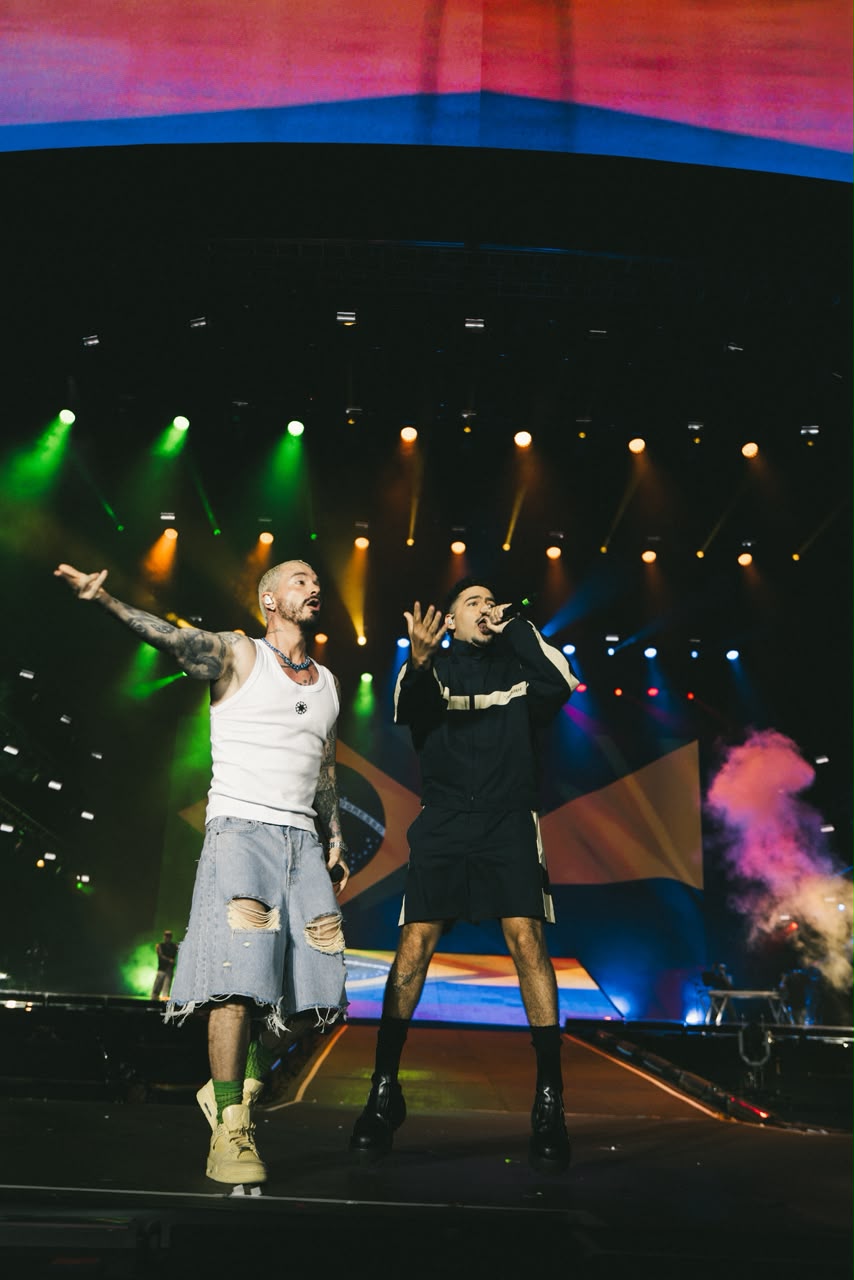
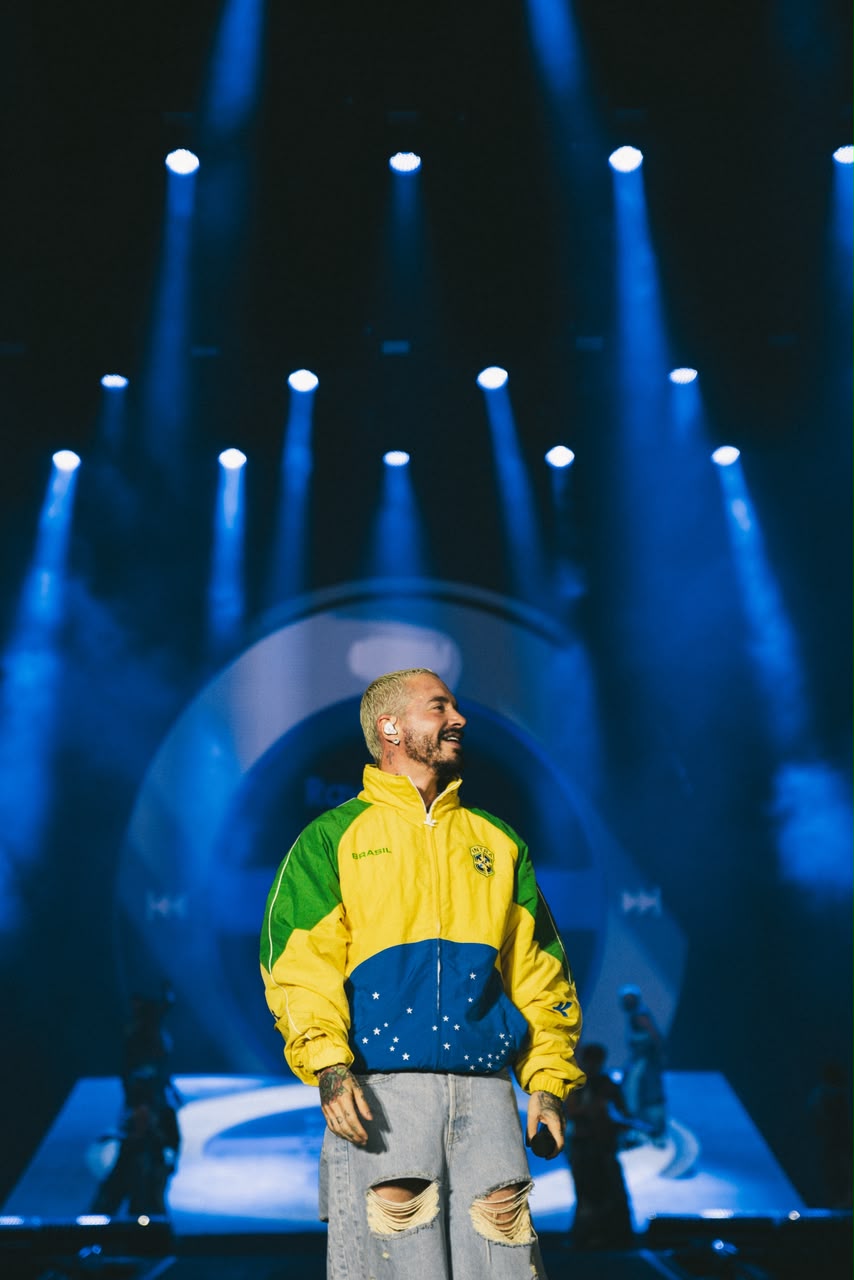
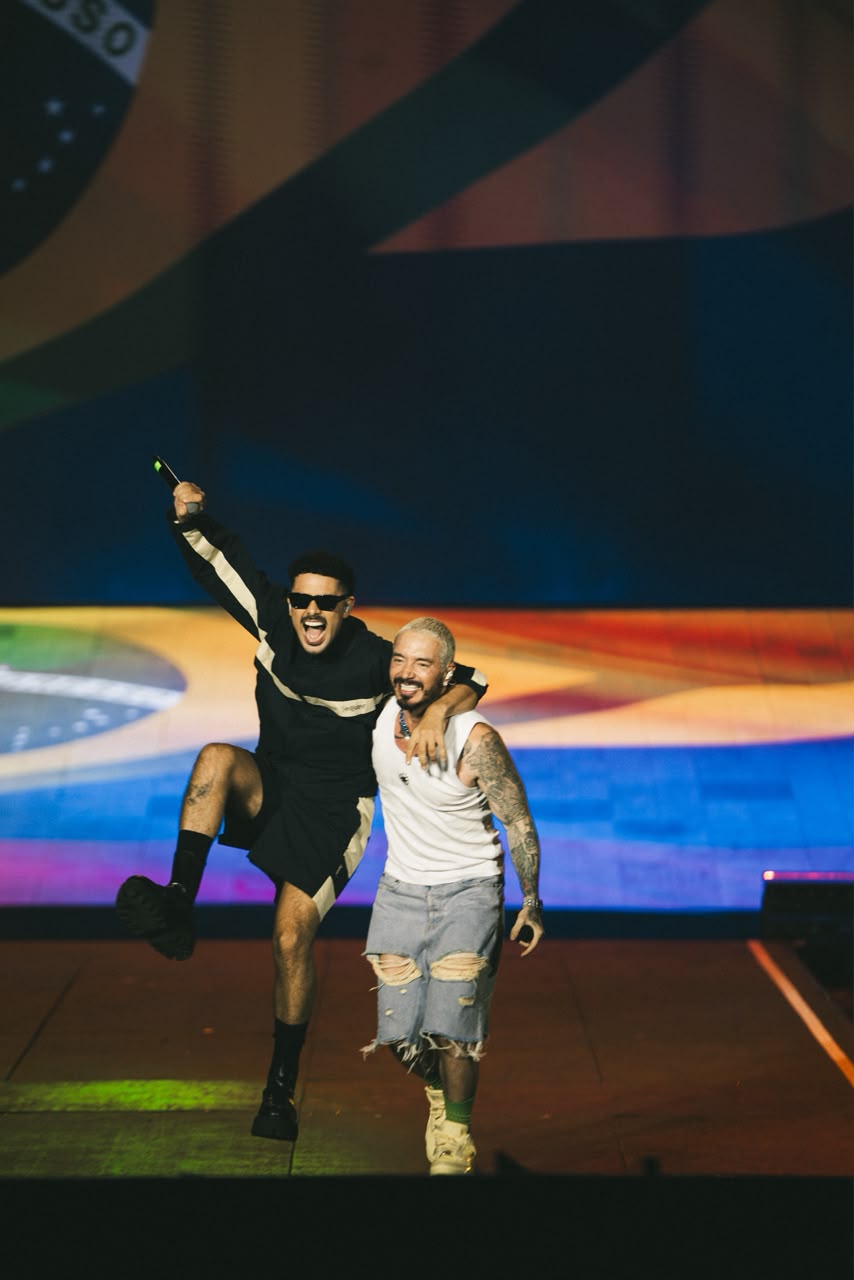
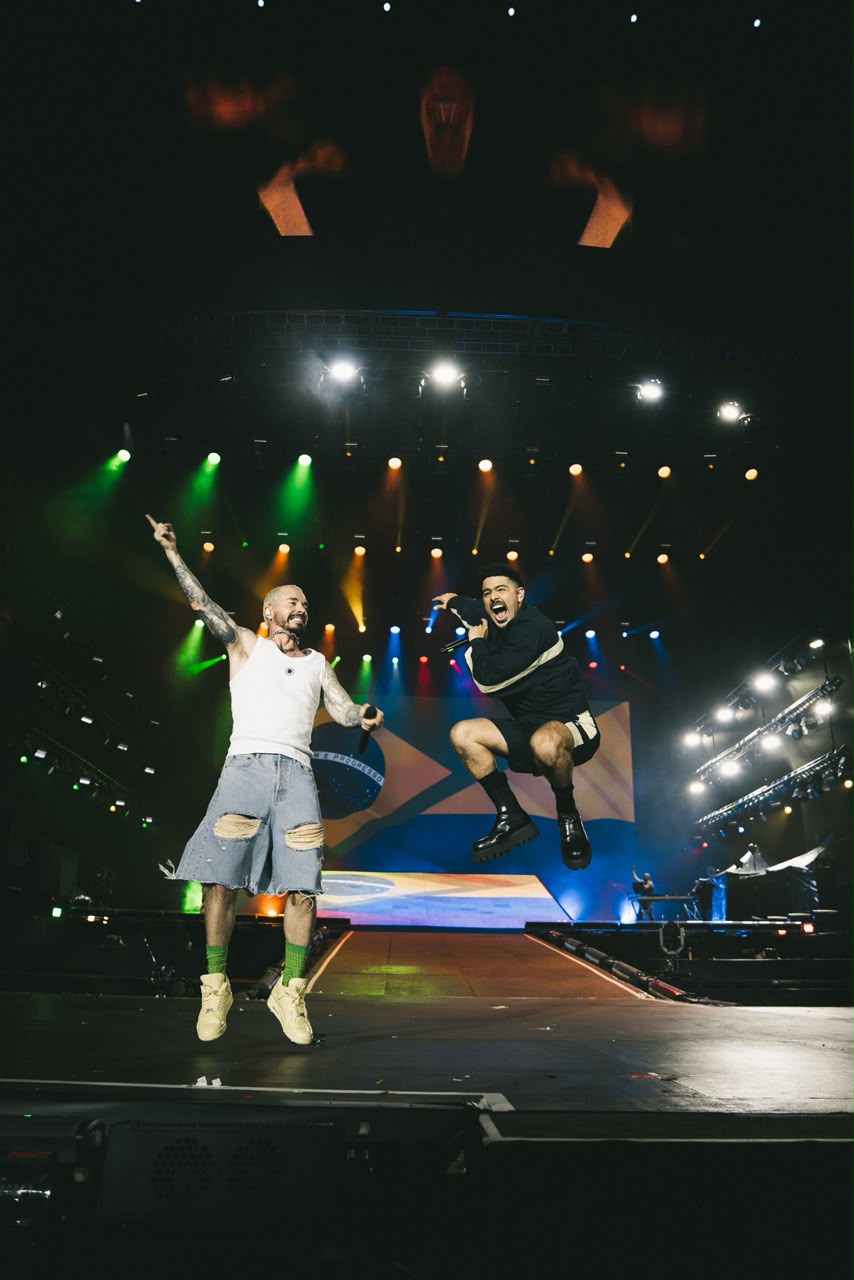
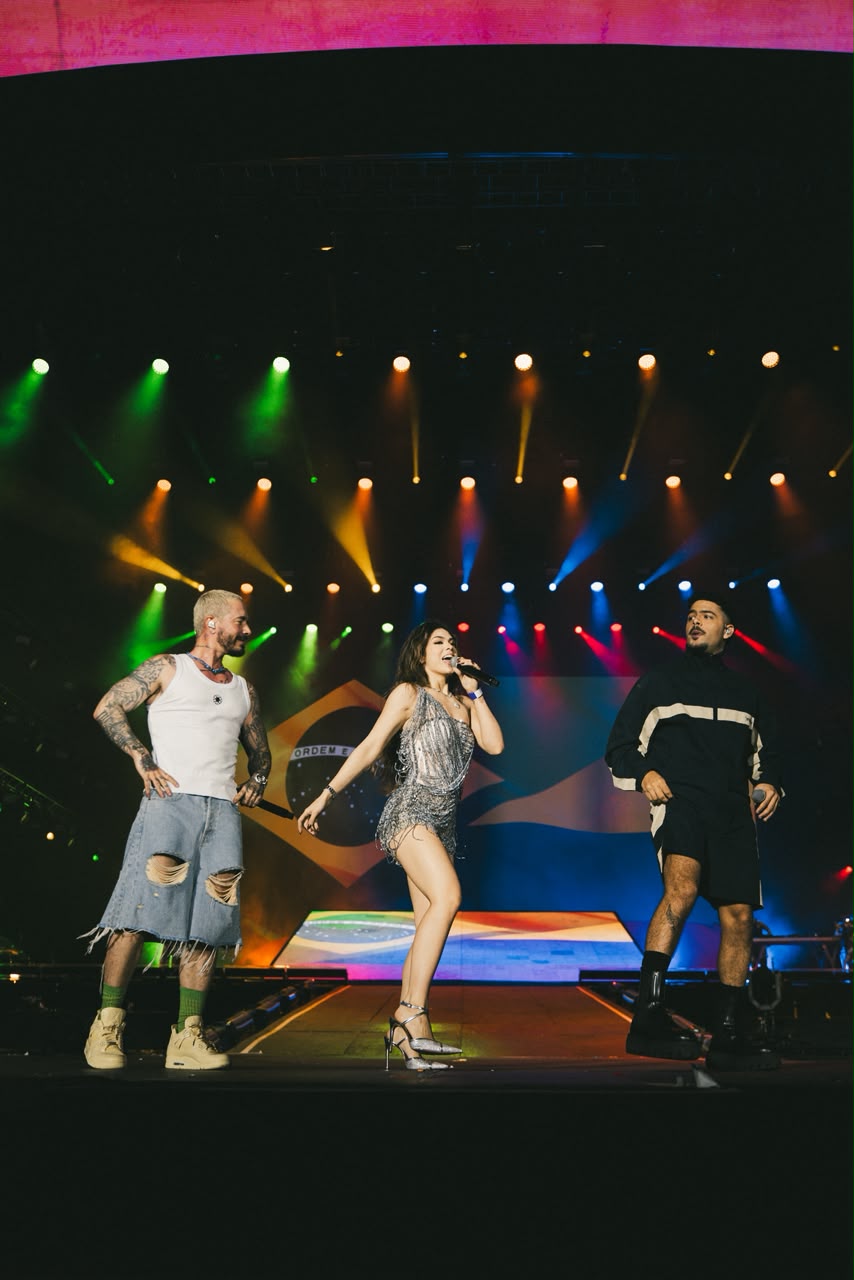
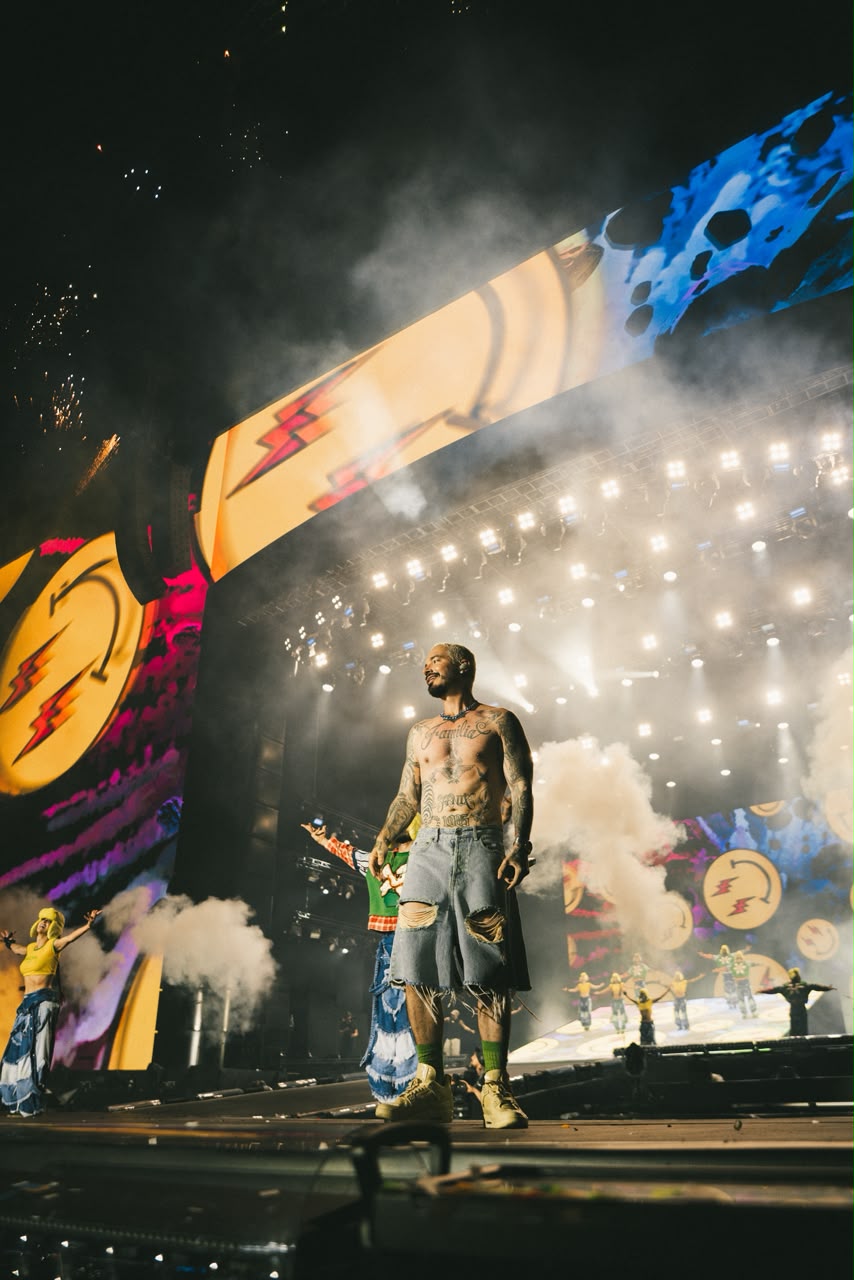
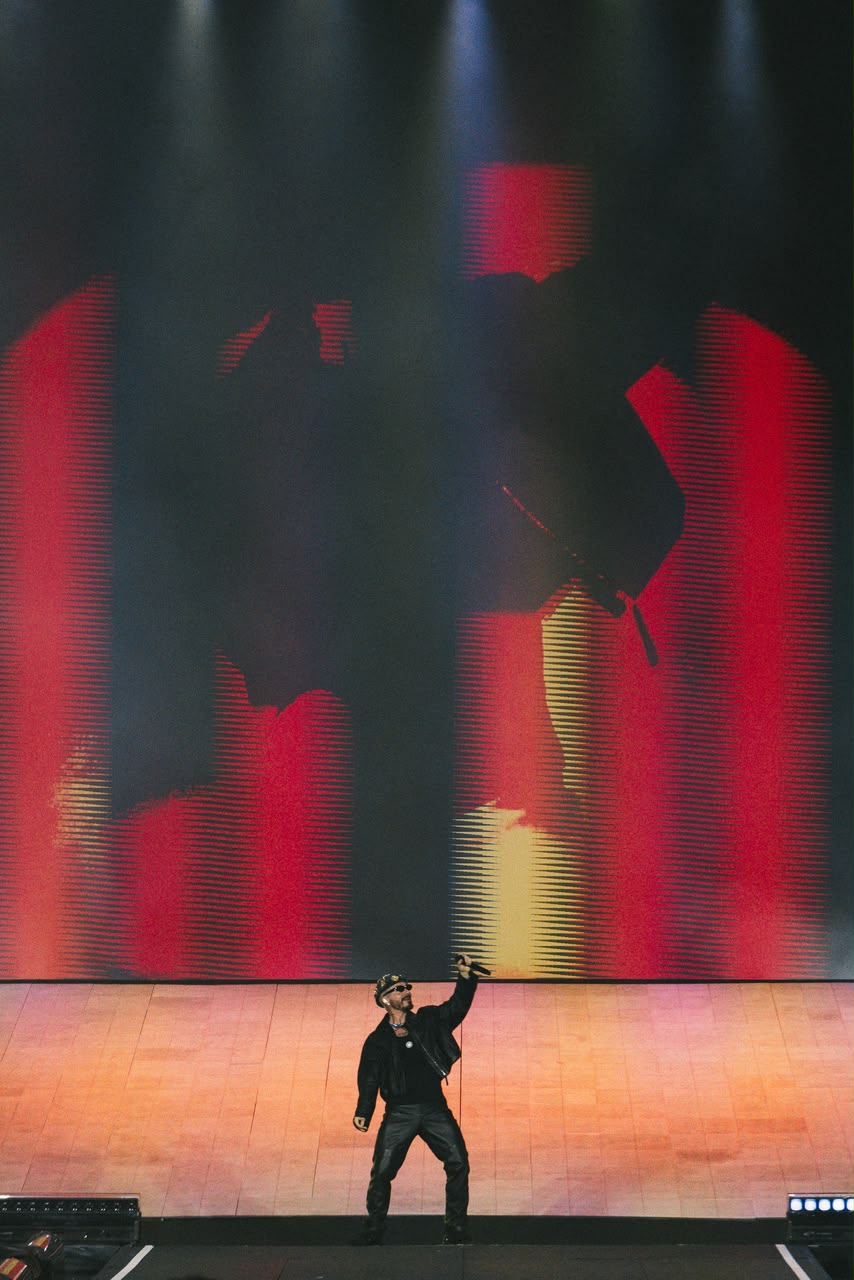
Balvin leaned further into that connection throughout the night. Brazilian imagery appeared throughout the performance, while a rendition of MC Fioti’s “Bum Bum Tam Tam” brought Brazilian funk directly into the set. The decision was significant because it avoided treating Brazil simply as another stop on an international itinerary. Instead, the country’s own musical identity became part of the show.
That exchange also reflects a broader shift happening across Latin music. For years, conversations about the genre’s international expansion were largely centered around the movement of Spanish-language reggaeton, Latin trap and Latin pop into the United States and Europe. Brazil presents a different opportunity. Its Portuguese-language market has its own enormous stars, rhythms and cultural infrastructure, making collaborations between Brazilian artists and Spanish-speaking Latin acts less about traditional “crossover” and more about building bridges between neighboring ecosystems.
For Balvin, that distinction fits the current phase of his career.
Nearly a decade removed from the international breakthrough surrounding records like “Ginza,” and years after “Mi Gente” became one of the defining global songs of the streaming-era reggaeton explosion, Balvin is increasingly performing from the position of an established catalog artist while continuing to search for new cultural intersections. Rock in Rio allowed both versions of his career to coexist: the hitmaker whose records helped define a generation of urbano and the veteran global artist still looking for ways to make familiar music feel connected to the market in front of him.
The Rio performance also arrived just one week after Balvin appeared at the Curaçao North Sea Jazz Festival on September 5, where he performed on the festival’s Sam Cooke stage alongside a lineup that included artists across jazz, reggae, pop and Latin music.
That run reinforces another important part of Balvin’s current positioning. Rather than existing exclusively within Latin or urbano-specific environments, he continues to move through festivals built around multiple genres and audiences. That may feel routine now, but the normalcy itself is part of the story. Artists from reggaeton’s breakthrough generation helped create an international touring environment where a Colombian urbano star appearing between major Brazilian and American pop acts on Rock in Rio’s biggest stage requires little explanation.
Away from music, Balvin has continued extending his profile into fashion. His latest collaboration with Italian luxury house Kiton brings his contemporary aesthetic into the company’s tailoring tradition through the Kiton x J Balvin Familia capsule, featuring pieces ranging from tuxedos and double-breasted suits to leather looks and outerwear. The collection is being introduced through a traveling retail concept at select Kiton boutiques in the United States.
Those moves suggest Balvin’s current strategy is less about reinventing himself through a single release and more about maintaining relevance across music, fashion and international culture while leveraging the catalog that established his global stature.
By the time the Rock in Rio performance reached its closing stretch, including “Ritmo,” “Que Calor” and “In Da Ghetto,” the larger point had already been made. Balvin’s catalog remains capable of carrying a major festival set, but the most interesting part of the night was what surrounded those records: Brazilian guests, local musical references and an increasingly fluid relationship between reggaeton and Brazil.
For an artist who spent much of the previous decade helping expand the geographic boundaries of Latin music, Rock in Rio represented another evolution of that mission. This time, Balvin did not need to introduce reggaeton to the main stage. He could use that stage to show how much larger the conversation around Latin music has become.
Continue following LaMezcla.com for coverage of J Balvin, Rock in Rio and the artists shaping the next phase of Latin music, and explore the LaMezcla Music App for new releases, DJ mixes and curated sounds from across the culture.