




How Reggaetón Took Over the World: Origins, Impact & Global Reach

Reggaetón has gone from underground rhythms in Panama and Puerto Rico to dominating airwaves, streaming charts, festivals, and global culture. What started as a fusion of reggae, dancehall, hip-hop, and urban sounds has become one of the most influential genres in the world today. This post traces reggaetón’s history, its major moments, what makes it resonate so deeply, and how artists see its legacy.
Origins & Early Influences
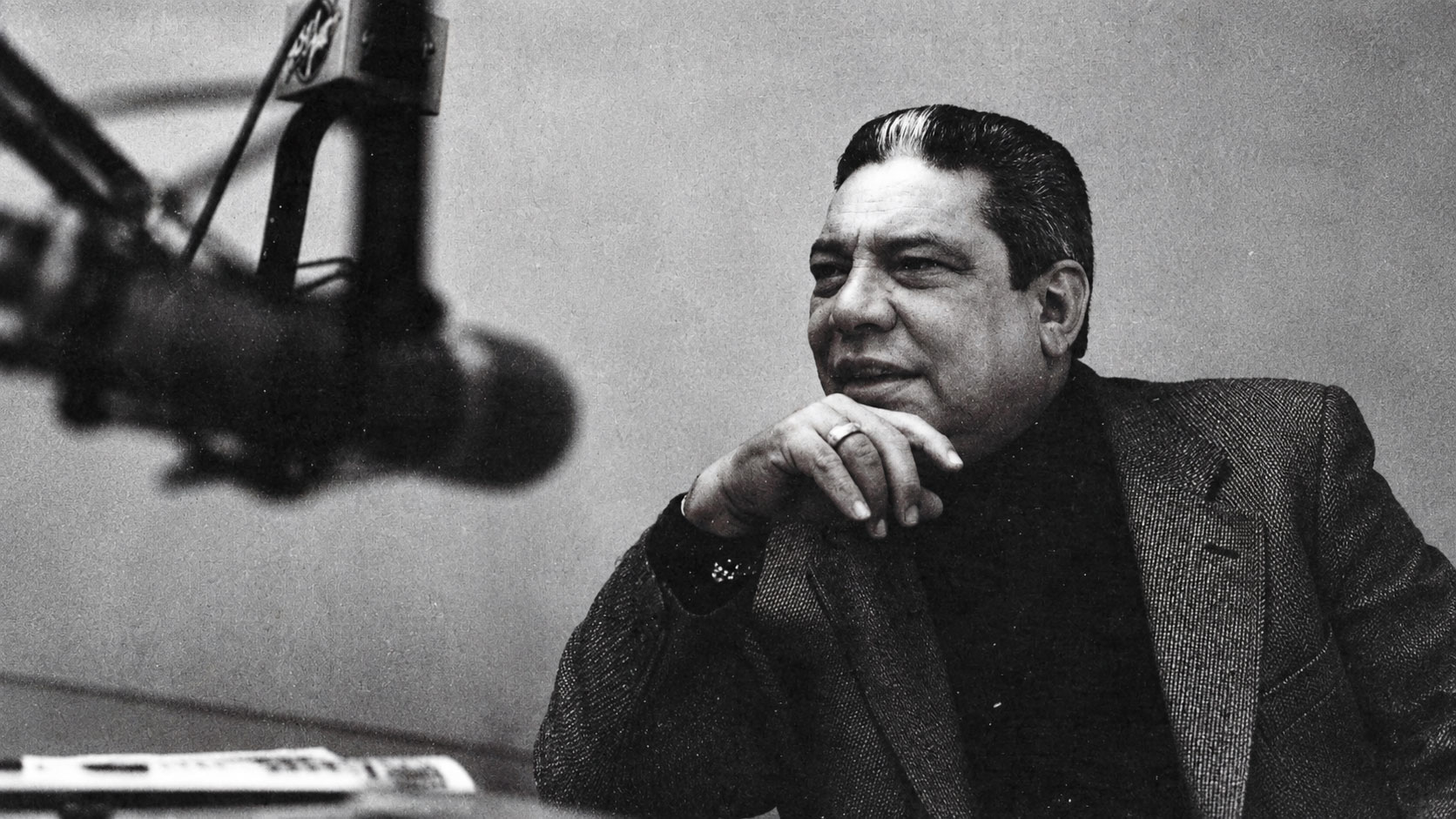
- Reggaetón’s roots lie in Panama in the late 1980s with reggae en español, brought by Caribbean workers and migrants. Jamaican dancehall rhythms + Spanish lyrics created early foundations.
- In Puerto Rico in the 1990s, reggaetón evolved in underground clubs, mixtapes, and small radio projects. The dembow rhythm (derived in part from Jamaican dancehall) became central.
- Early pioneers included DJs and producers like DJ Nelson, Playero, The Noise collective, and artists like El General, Nando Boom. They mixed reggae/dancehall with hip-hop and Spanish, often with content from urban life, social issues, identity, poverty.
Key Breakthroughs & Global Exposure
- One pivotal moment was Daddy Yankee’s “Gasolina” (2004). It became one of the first reggaetón songs to achieve mainstream global attention on radio, MTV, and clubs outside Latin America, introducing many new listeners to the genre.
- Later crossover hits like “Despacito” (Luis Fonsi & Daddy Yankee, 2017) exploded on streaming platforms and charted in many non-Spanish-speaking markets, proving that reggaetón had become commercially viable globally.
- Albums like Tego Calderón’s El Abayarde (2002) helped push reggaetón beyond party tracks by including social commentary and Afro-Caribbean identity. This diversified the genre’s appeal.
What Makes Reggaetón Resonate Globally
Here are some features that helped reggaetón become a global cultural force:
- Rhythm & Danceability: The dembow beat is infectious; it invites movement, club culture, dance videos.
- Authentic Voices & Urban Themes: Lyrics often reflect lived experience in marginalized or underrepresented communities’ identity, struggle, and joy. That authenticity connects.
- Language & Culture: Even when listeners don’t understand all the lyrics, Spanish becomes part of the flavor, and the sound itself carries power. Reggaetón has helped normalize non-English songs in global pop.
- Collaboration & Fusion: Collaborations with artists in pop, hip-hop, EDM, and more; fusion with other Latin genres; remix culture; modern production that adapts.
- Digital Platforms & Social Media: Streaming services, YouTube, TikTok have all helped reggaetón crossover. Viral dance challenges, remixes, user generated content amplify hits quickly.

What Artists Say About Reggaetón’s Legacy
Quotations directly from artists help show how they perceive the genre and its effect.
- Bad Bunny: “Reggaeton is a global genre.”
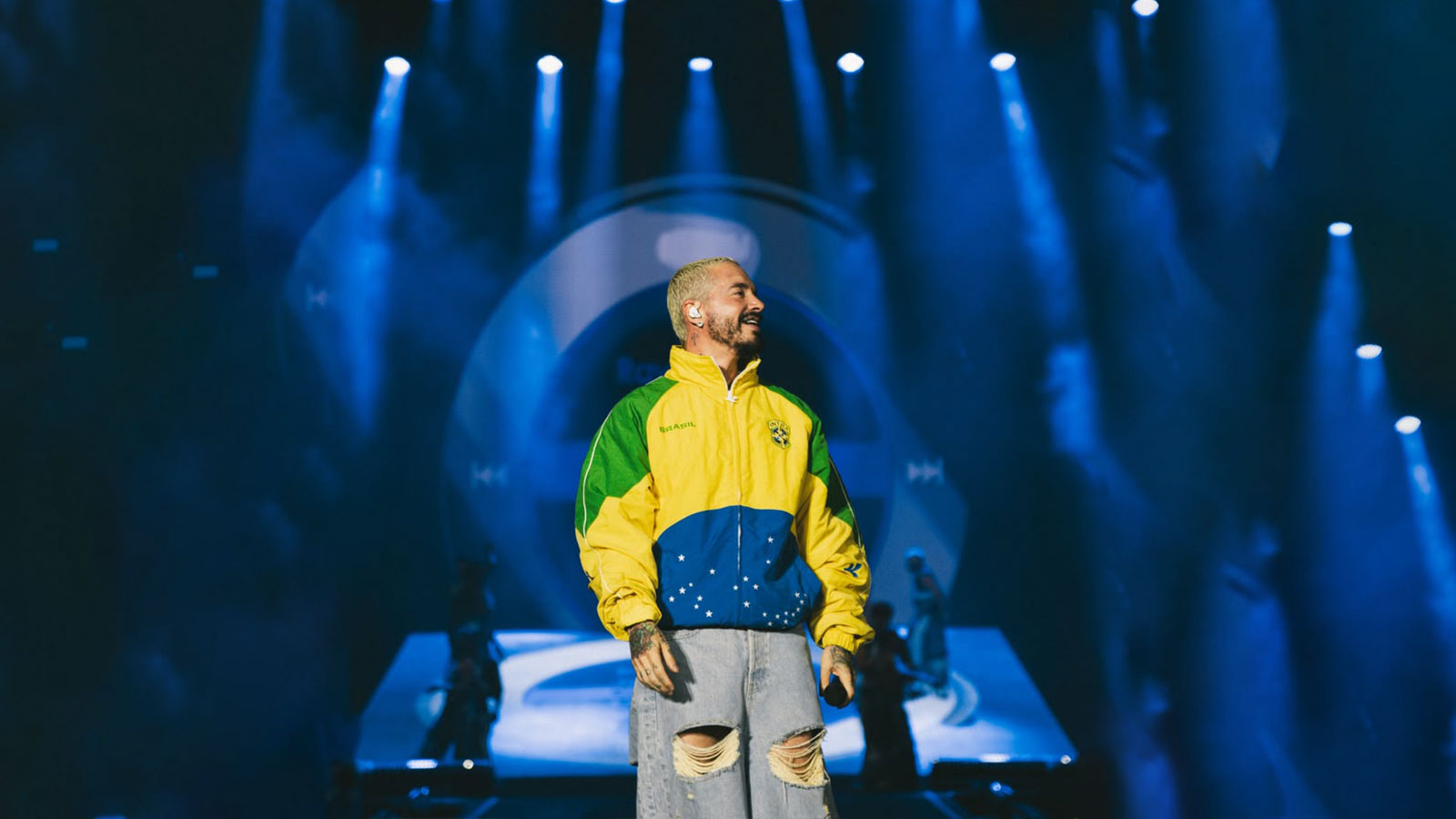
And he has often made clear that he views reggaetón as not just party music but a platform for expressing identity, culture, and even social issues. - J Balvin: “Reggaeton is what opened the doors for me, and I’m always grateful for that. I’ll do reggaeton for life, but I want to show that I’m an artist who can do everything.”
And in interviews, he has said that reggaetón comes “from the street” much like hip-hop, reflecting urban life and the youth’s voice.
Controversies, Criticisms & Evolution
Reggaetón has not been without its critics and growing pains:
- Early stigma and censorship: The genre was often banned or marginalized in Puerto Rico and other territories due to explicit lyrics, sexual themes, or perceived vulgarity. It was underground for a long time before gaining radio play.
- Criticism over misogyny, homophobia, and content: Some lyrics historically contained themes that many found problematic. In response, newer artists are challenging those norms, changing content, and exploring more inclusive, socially conscious themes.
- Commercialization vs. authenticity: As reggaetón becomes more mainstream, some fans and artists worry about losing the rawness, the message, or the roots. The tension between commercial success and staying true to the origins remains an ongoing theme.
Reggaetón Today & Its Continued Global Reach
- Artists like Bad Bunny, J Balvin, Karol G, Ozuna, Feid, and many others are pushing genre boundaries, mixing reggaetón with trap, pop, R&B, and experimenting with alternate sounds.
- Reggaetón’s presence in major festivals (Coachella, etc.), award shows, even non-Latin markets shows its acceptance globally.
- Newer subgenres and styles (Latin trap, alternative reggaetón, perreo, etc.) grow from the same foundations, often innovating with production, flow, and image.
Songs & Albums That Defined the Trajectory
Here are key tracks/albums you can use to map reggaetón’s rise:
- El Abayarde — Tego Calderón (2002) — social commentary, Afro-Atlantic identity in reggaetón.
- Barrio Fino — Daddy Yankee (2004) — especially “Gasolina” — one of the first reggaetón albums with global reach.
- Despacito — Luis Fonsi & Daddy Yankee (2017) — massive crossover success.
- Yo Perreo Sola — Bad Bunny (2020) — modern example of reggaetón pushing social themes (respect, gender, autonomy) alongside the rhythm and dance.
Reggaetón’s journey from marginalized underground sound to global powerhouse reflects music’s ability to amplify voices, cross boundaries, and create community. It’s more than rhythm and dance, it is identity, resistance, culture, and evolution. As reggaetón continues to expand, its roots remain essential: from Panama’s reggae en español to Puerto Rico’s perreo, from lyrics that speak truth to beats that move bodies.
Reggaetón has taken over the world, but it also belongs to the people who lived it, those who passed it forward, and those who feel it across oceans.