Music

Meet San2kan: The Cuban Rap Artist Building His Own Musical Identity
 LaMezcla Staff
October 27, 2026
LaMezcla Artist Spotlight | Cuban Hip-Hop | October 2026 Cuban hip-hop has long provided artists with a platform for storytelling, cultural expression, and perspectives that extend beyond commercial music trends. Among the voices contributing to that tradition is San2kan, also known as Sandy Collado, a rapper whose growing catalog brings together collaborative lyricism, personal reflection, and themes connected to Cuban identity. With two full-length projects, Akokán Pal Mundele and Bendecido & Bendiciendo, alongside a series of 2026 singles, San2kan has developed a body of work that moves between introspective songwriting and collective rap performances. His music frequently places collaboration at the center of the creative process, connecting him with artists including El Funky, Yimi Konclaze, Real Beltran, and others operating within the broader Cuban hip-hop community. Rather than relying on a single breakout moment, San2kan’s catalog reflects a gradual process of building an artistic identity through consistent releases and recurring creative partnerships. From Akokán Pal Mundele to Bendecido & Bendiciendo Released on March 29, 2024, Akokán Pal Mundele introduced a substantial chapter in San2kan’s recorded catalog. The 17-track project featured collaborations with El Funky, Yimi Konclaze, Skiudy El Faraón, Alejandro Benitez, and several additional artists. Songs such as “Queremos Libertad,” “Directo al Pecho,” “Estamos Conectao’,” and “La Isla del Coco” established the range of subjects and approaches represented across the project. The album also included extended remixes featuring multiple rappers, emphasizing a collaborative approach to hip-hop rather than focusing exclusively on solo performances. One notable example is “La Isla del Coco,” featuring El Funky and Yimi Konclaze. The track originally appeared as a 2021 single before becoming part of Akokán Pal Mundele. Its continued presence in San2kan’s catalog illustrates how earlier collaborations have remained part of his artistic identity as his discography has expanded. That continuity matters. For independent hip-hop artists, collaborations can serve as more than opportunities to reach additional listeners. They can establish creative relationships, connect audiences across different artists, and reinforce a shared musical identity. San2kan’s work demonstrates that approach through recurring appearances by collaborators across individual singles, album tracks, and remix projects. His next major album, Bendecido & Bendiciendo, arrived on May 18, 2026, with 12 tracks released through Pasao D Pesao Records. The project includes songs such as “Tiempo,” “La Receta,” “Todo es Parte del Proceso,” and “Pal Barrio.” The contrast between the two album titles offers an interesting perspective on his trajectory. While Akokán Pal Mundeleintroduced a broad collaborative collection, Bendecido & Bendiciendo places language associated with gratitude, progress, and personal experience closer to the center of its presentation. That does not necessarily represent a departure from his earlier work. Instead, the projects suggest an artist expanding the subjects and perspectives represented in his catalog while maintaining a connection to the hip-hop community surrounding him. Collaboration and the Cuban Rap Connection One of the defining characteristics of San2kan’s discography is the number of artists involved in his recordings. His work with El Funky extends across multiple songs, including “Directo al Pecho,” “Déjate de Abusata,” and “La Isla del Coco.” The collaborations connect San2kan to a wider network of Cuban rap performers whose music frequently engages with identity, community, and social realities. In 2026, that collaborative approach continued with “La Era de los Singaos,” a single recorded with Real Beltran and released on April 24. The track was followed by La Era de Los Singaos Cyphers, released July 1, featuring DRC, Matos Mc K-Libre, 2bleTempo, Ddaniel FL, and Carlitos P.U. The cypher format is particularly significant within hip-hop culture. Built around multiple MCs contributing verses to a shared recording, it places lyrical performance and individual perspective within a collective framework. For San2kan, continuing to participate in these recordings reinforces an artistic approach rooted in community rather than isolation. […]
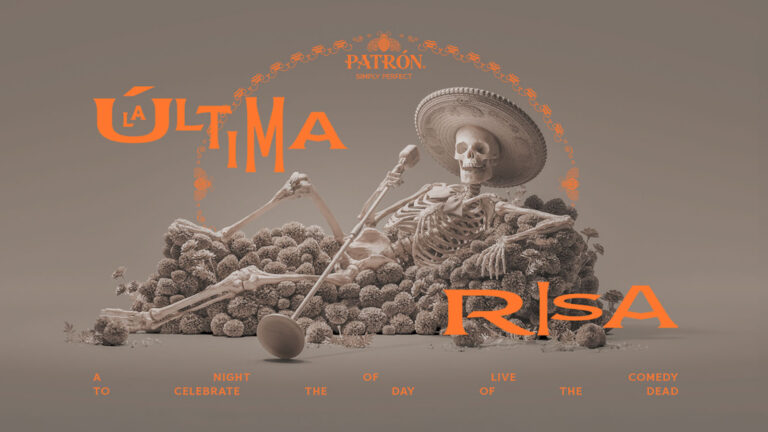
Sofía Niño de Rivera Headlines PATRÓN’s Día de Muertos Comedy Show in NYC
LaMezcla Staff
October 26, 2026
Día de Muertos has always been about more than remembering those who have passed. Rooted in Mexican tradition, the holiday celebrates life, family, memory and the connections that remain long after someone is gone. This year, PATRÓN Tequila is bringing a different expression of that tradition to New York City, where comedy will take center stage. On November 2, PATRÓN will present La Última Risa (The Last Laugh), a one-night-only comedy experience at The Stand in New York City. Headlined by Mexican stand-up comedian Sofía Niño de Rivera, the event will bring together six comedians for a 75-minute performance inspired by calaveritas literarias, a longstanding Mexican literary tradition that uses humor and satire to reflect on death and celebrate the personalities of loved ones. The event arrives during Día de Muertos, traditionally observed on November 1 and 2, and offers a contemporary interpretation of a cultural practice that has connected generations of Mexican families. Bringing Mexican Tradition to the Comedy Stage At the heart of La Última Risa is the tradition of calaveritas literarias, short satirical poems that imagine La Muerte, or Death, arriving to collect friends, relatives or recognizable personalities. Rather than treating death exclusively as a subject of mourning, these verses use playful storytelling, exaggeration and humor to acknowledge the qualities that make individuals memorable. For generations, calaveritas have provided Mexican families and communities with a creative way to explore mortality without losing the warmth, wit and personal connections associated with remembrance. PATRÓN’s upcoming event translates that literary tradition into live stand-up comedy, replacing written verses with performances shaped by the comedians’ cultural experiences and observations. The lineup includes Sofía Niño de Rivera, Jesus Trejo, Chingo Bling, Cris Sosa and Jilberto Soto, with comedian, actor and writer Xazmin Garza serving as host. Together, the six performers represent different perspectives within Mexican and Mexican-American comedy, creating an opportunity to explore how humor connects audiences across generations and borders. For Niño de Rivera, the appearance adds another cultural platform to a career that has helped expand the visibility of Spanish-language stand-up comedy. Recognized as the first Mexican woman to release a Spanish-language comedy special on a major streaming platform, she has built an international audience through performances that examine relationships, family dynamics and contemporary life. She is also touring internationally with her show Vacaciones de Sus Hijos. Her participation gives La Última Risa a recognizable headliner while placing Mexican comedy at the center of an event traditionally associated with remembrance and cultural celebration. Why La Última Risa Represents More Than a Comedy Show The cultural significance of La Última Risa extends beyond its lineup. As Día de Muertos continues to receive international attention, the challenge for brands participating in the holiday is finding ways to engage with Mexican traditions without reducing them to recognizable imagery or seasonal marketing. By building the show around calaveritas literarias, PATRÓN is emphasizing a specific cultural practice rather than relying solely on familiar visual symbols such as skulls, marigolds and elaborate altars. That distinction matters. The tradition of using humor to confront death is deeply embedded in Mexican cultural expression. Bringing it into a contemporary comedy club creates an accessible format for audiences who may recognize Día de Muertos visually but know less about its literary and satirical customs. The event also reflects a broader opportunity for Latino comedians to bring culturally specific storytelling into mainstream entertainment spaces without removing the references that give their material its identity. […]

Rosalía Celebrates Major Career Milestone With Billboard Hall of Fame Honor
LaMezcla Staff
October 26, 2026
Rosalía reached another defining milestone in her career at the 2026 Billboard Latin Music Awards, receiving the prestigious Billboard Hall of Fame Award in recognition of her artistic innovation, international influence, and ability to challenge musical boundaries. The Spanish singer-songwriter accepted the honor on Thursday, October 22, at Miami’s James L. Knight Center, where Dominican music legend Juan Luis Guerra presented her with the award. The moment brought together two generations of influential artists whose work has helped expand the possibilities of Spanish-language music. The Billboard Hall of Fame Award recognizes artists whose contributions extend beyond commercial success, celebrating cultural influence, creative vision, and the ability to connect audiences across genres and borders. For Rosalía, the recognition arrives during a period of continued artistic evolution, following the release of her ambitious 2025 album LUX. A Recognition Rooted in Latin Music History During her acceptance speech, Rosalía paid tribute to Juan Luis Guerra and acknowledged the generations of musicians who helped shape her artistic identity. She recognized influential figures including Celia Cruz, Rocío Dúrcal, Vicente Fernández, and Daddy Yankee, emphasizing that her creative journey would not have been possible without the artists who came before her. The singer also expressed gratitude toward Latin America for embracing her music and providing years of artistic inspiration. Her acknowledgment carried particular significance given her position as a Spanish artist whose career has been deeply connected to Latin American musical traditions, audiences, and collaborators. Rather than treating the award solely as an individual accomplishment, Rosalía used the moment to recognize the cultural foundations behind her success. From El Mal Querer to MOTOMAMI and LUX Rosalía’s career has been defined by a willingness to rethink musical conventions rather than remain within a single genre. Her 2018 album El Mal Querer established her as a distinctive creative force, incorporating flamenco influences into contemporary production while building a visual and conceptual identity that extended beyond traditional pop expectations. With MOTOMAMI in 2022, she moved further into experimental territory, incorporating reggaeton, electronic music, alternative pop, and unconventional production techniques. The project debuted at No. 1 on Billboard’s Top Latin Pop Albums chart and spent 25 weeks at the summit between 2022 and 2023. It also introduced Rosalía to the all-genre Billboard 200, where the album debuted inside the top 40. Her 2025 album LUX marked another transformation, expanding her musical approach through orchestral arrangements, classical influences, and multilingual songwriting. The album debuted at No. 4 on the Billboard 200, marking her first top 10 appearance on the chart, while also reaching No. 1 across five Billboard album rankings, including Top Latin Albums and Top Latin Pop Albums. What distinguishes Rosalía’s trajectory is not simply her movement between musical styles, but her ability to make reinvention a central part of her identity. Where many artists build international careers by refining a recognizable commercial formula, Rosalía has repeatedly changed the musical framework surrounding her work. Her transition from flamenco-inspired storytelling to the experimental production of MOTOMAMI and the expansive compositions of LUX illustrates a career built around creative risk. That approach has helped position her within a broader generation of Spanish-language artists challenging traditional distinctions between Latin pop, alternative music, and global mainstream audiences. Rosalía Earns Three Honors at the 2026 Billboard Latin Music Awards […]

Fuerza Regida Celebrates Eight Billboard Latin Music Awards and Historic Vanguard Recognition
LaMezcla Staff
October 26, 2026
Fuerza Regida emerged as the biggest winner of the 2026 Billboard Latin Music Awards, taking home eight awards, including the prestigious Billboard Vanguard Award, in a defining moment for the Mexican-American group’s career and the continued global rise of música mexicana. Held October 22 at the James L. Knight Center in Miami, the ceremony saw Fuerza Regida outperform some of Latin music’s biggest names in total awards. Bad Bunny followed with seven wins, while Karol G, Peso Pluma and Romeo Santos each earned four. The results placed regional Mexican music at the center of one of the industry’s most prominent awards ceremonies. For Fuerza Regida, the evening represented more than a collection of trophies. It reflected the group’s evolution from a Southern California regional Mexican act into a leading force in contemporary Latin music, with a sound and identity that increasingly extend beyond traditional genre boundaries. “Marlboro Rojo” Leads Fuerza Regida’s Winning Night The group’s success was driven in large part by “Marlboro Rojo,” which earned four awards across major song categories. The track won Hot Latin Song of the Year, Streaming Song of the Year, Global 200 Latin Song of the Year and Regional Mexican Song of the Year. Fuerza Regida also secured three artist-category victories: Hot Latin Songs Artist of the Year, Duo or Group; Top Latin Albums Artist of the Year, Duo or Group; and Regional Mexican Artist of the Year, Duo or Group. Together with the Billboard Vanguard Award, those honors brought the group’s total to eight. The range of categories is particularly significant. Winning both regional Mexican and broader Latin music honors demonstrates how the group’s reach now extends beyond the audience traditionally associated with its genre. Rather than treating regional Mexican music as a separate commercial lane, these results illustrate how the genre competes directly with Latin pop, reggaeton and other dominant sounds across the wider Latin market. Billboard Vanguard Award Recognizes a Decade of Evolution One of the evening’s defining moments came when Fuerza Regida received the Billboard Vanguard Award, recognizing its creative innovation and contributions to expanding Mexican music’s global reach. Led by frontman Jesús Ortiz Paz, known as JOP, Fuerza Regida has built its identity around corridos, contemporary street culture and a willingness to experiment with musical influences beyond traditional regional Mexican arrangements. That approach has helped position the group within a broader generation of artists reshaping the expectations surrounding música mexicana. During the ceremony, Ortiz Paz reflected on the group’s decade-long journey, thanking its fans, family, team and Street Mob Records for their support. The Vanguard recognition is especially meaningful because it acknowledges something different from chart performance. While the group’s competitive awards reflect measurable success, the honorary distinction recognizes its role in changing the creative direction and perception of Mexican music. For an act whose image and musical identity have frequently challenged conventional expectations, that distinction marks an important step in its transition from genre disruptor to established industry leader. What Fuerza Regida’s Success Means for Música Mexicana Fuerza Regida’s Billboard victories arrive during a period when música mexicana has become an increasingly influential part of the international Latin music landscape. Artists such as Peso Pluma, Tito Double P and Fuerza Regida have helped introduce contemporary Mexican sounds to audiences that also consume reggaeton, Latin trap and mainstream pop. The 2026 awards results offered another indication of that shift. Peso Pluma and Tito Double P shared major album honors for DINASTÍA, while Fuerza Regida’s “Marlboro Rojo” competed successfully across categories that extend beyond regional Mexican music. […]

Ozuna Teams Up With Ñengo Flow and Jory Boy for “Vulnerable”
LaMezcla Staff
October 26, 2026
The Puerto Rican stars bring three distinct vocal styles together for a collaboration rooted in reggaeton’s signature sound. Ozuna is returning to the unmistakable sound of classic Puerto Rican reggaeton with “Vulnerable,” a new collaboration featuring Ñengo Flow and Jory Boy. Built around seductive melodies, confident delivery and dance-floor energy, the single brings together three artists whose individual careers have helped shape different chapters of Latin urban music. Rather than chasing a completely new musical direction, “Vulnerable” leans into the chemistry and recognizable elements that established reggaeton as a dominant force in Latin music. The collaboration places Ozuna’s melodic approach alongside Ñengo Flow’s street-rooted intensity and Jory Boy’s smooth vocal style, creating a track that connects different expressions of the genre. Produced by ElCreadorHenry, Legazzy, Yazid and Dynell, the song explores attraction, flirtation and the emotional tension that comes with desire. Its production provides the foundation for the three performers to move between melody and attitude, maintaining the sensual character associated with reggaeton’s earlier generations. For Ozuna, the release offers another perspective on an increasingly diverse catalog. Throughout his career, the Puerto Rican superstar has moved between romantic reggaeton, Latin trap, Afro-Caribbean influences and cross-genre collaborations. Projects including Odisea, Aura, ENOC, Ozutochi and Cosmo have demonstrated his ability to evolve while maintaining the melodic identity that helped establish his international following. More recently, projects such as Stendhal, his collaborative album with Colombian singer-songwriter Beéle, have reflected his willingness to explore different musical partnerships and contemporary Latin sounds. Against that backdrop, “Vulnerable” represents a return to familiar territory, emphasizing the Puerto Rican reggaeton foundation that remains central to his artistic identity. The involvement of Ñengo Flow and Jory Boy is particularly significant. Both artists represent important voices within Puerto Rico’s urban music ecosystem, bringing distinct approaches that complement Ozuna’s crossover appeal. Ñengo Flow’s commanding delivery provides a harder edge, while Jory Boy contributes the melodic sensibility that has long been associated with romantic reggaeton. Their presence also gives “Vulnerable” a broader cultural dimension. As Latin urban music continues expanding through regional influences, electronic production and global collaborations, established artists are finding new ways to revisit the sounds that helped build the movement. The song reflects how traditional reggaeton remains relevant without requiring a complete reinvention of its musical identity. The accompanying music video, directed by Ricardo Rivera, known as Fue Ricky, was filmed in Bayamón, Puerto Rico. The location reinforces the collaboration’s connection to the island where reggaeton developed much of its cultural identity and international influence. That Puerto Rican connection matters beyond the visual setting. Reggaeton’s global expansion has introduced the genre to audiences across languages and markets, but collaborations like “Vulnerable” demonstrate the continuing importance of the artists, communities and musical traditions that shaped its foundation. For Ozuna, the single is less about nostalgia alone and more about maintaining a connection between different phases of his career. His international success has allowed him to experiment across genres, but returning to classic reggaeton alongside two established Puerto Rican voices highlights the versatility of an artist who can move between mainstream Latin pop and the sound that helped define his rise. “Vulnerable” also arrives at a time when collaborations between established reggaeton figures can serve multiple audiences: longtime listeners who recognize the genre’s earlier musical language and younger fans discovering those influences through contemporary releases. Whether the track develops into a larger creative direction remains to be seen, but its immediate significance lies in the chemistry between three artists with distinct identities. With “Vulnerable,” Ozuna, Ñengo Flow and Jory Boy offer a reminder that reggaeton’s evolution does not always require abandoning its roots. Sometimes, its most recognizable elements remain the strongest connection between generations. “Vulnerable” is available on digital streaming platforms, accompanied by its official music video. Stay connected with LaMezcla.com for the latest Latin music releases, artist collaborations and reggaeton coverage. Discover more new music through the LaMezcla Music App.

Myke Towers Releases “Te Imagino,” Blending Reggaeton Nostalgia With Modern Production
LaMezcla Staff
October 26, 2026
Puerto Rican hitmaker Myke Towers is tapping into reggaeton nostalgia while continuing to refine his sound with “Te Imagino,” a new single that blends retro-inspired production, late-night romance, and a recognizable piece of Latin urban music history. Built around a modified vocal sample from De La Ghetto’s “Tú Te Imaginas,” the track connects two generations of Puerto Rican urban music. Rather than simply recreating the original, Towers uses its familiar vocal element as the foundation for a sleek, synth-driven record that explores attraction, desire, and the intensity of an unexpected connection. The result is a release that balances nostalgia with a contemporary approach to reggaeton, reinforcing Towers’ ability to move between different musical influences without abandoning the melodic delivery that has become central to his identity. Bringing Reggaeton Nostalgia Into a New Era “Te Imagino” opens with a reworked reference to De La Ghetto’s “Tú Te Imaginas,” immediately establishing a connection to an earlier chapter of Latin urban music. The production then transitions into warm synthesizers, an ’80s-inspired rhythmic atmosphere, and a smooth urban beat. Lyrically, Towers captures the aftermath of an unforgettable encounter. The narrative moves between high-speed drives, private moments, and the lingering attraction between two people who recognize their chemistry almost immediately. His delivery alternates between confident verses and a melodic chorus, allowing the song’s sensual atmosphere to develop without relying on an overly aggressive arrangement. The reference to De La Ghetto is particularly significant. Both artists represent different periods in the evolution of Puerto Rican urban music, and the sample creates a connection between the genre’s established voices and the modern production techniques shaping its current direction. For Towers, that approach also reflects a broader creative opportunity. As reggaeton continues to revisit elements of its earlier sound, established artists can use recognizable musical references to connect longtime listeners with younger audiences discovering those influences through new releases. “Te Imagino” operates within that space, drawing on the familiarity of an earlier record while giving the concept its own musical identity. Myke Towers Continues His Artistic Evolution The single arrives as Towers continues building on a career defined by versatility across reggaeton, Latin trap, and melodic urban music. With 17 No. 1 hits on Billboard’s Latin Airplay chart, according to the release announcement, Towers has established himself as one of the genre’s consistent commercial performers. His catalog has also earned multi-platinum recognition across multiple international markets. Yet his recent releases suggest that artistic range remains just as important as commercial consistency. Before “Te Imagino,” Towers introduced “Carita Feliz,” an emotional single accompanied by a cinematic short film starring Spanish actress Clara Galle. The project emphasized storytelling and visual presentation, offering a different emotional perspective from the confident, sensual atmosphere of his latest release. That contrast is important. Rather than limiting himself to one mood or production formula, Towers continues moving between vulnerability and confidence, using each release to explore a different side of his musical identity. His recent recognition also includes a reported nomination at the 2026 Billboard Latin Music Awards for Latin Rhythm Song of the Year with “5 Estrellas (W Sound 23),” alongside W Sound and producer Ovy On The Drums. Together, these developments position “Te Imagino” as another step in a career that has increasingly balanced mainstream visibility with creative flexibility. Beyond the individual release, the song also reflects a wider movement in Latin urban music: the reinterpretation of familiar sounds through modern production. For established performers, that strategy can reinforce cultural continuity while creating opportunities to reach audiences across generations. What distinguishes Towers’ approach is his ability to make that connection feel consistent with his existing catalog. The De La Ghetto reference gives the track its nostalgic entry point, but Towers’ vocal phrasing and melodic instincts keep the record firmly within his own artistic world. […]

Sech Returns With “Con Esos Celos” and Teases More New Music
LaMezcla Staff
October 10, 2026
Panamanian singer and songwriter Sech is opening another chapter in his career with the release of “Con Esos Celos,” a new single that revisits the emotional vulnerability and melodic storytelling that helped establish him as one of Latin urban music’s most distinctive voices. Arriving after his fifth studio album, SECHO GANG, the track finds Sech exploring the complicated emotions of jealousy, attachment and the struggle to walk away from a relationship when feelings remain unresolved. Rather than shifting toward a completely different musical identity, the release builds on the Latin R&B and reggaeton foundation that has defined much of his career. For an artist whose biggest records have often balanced romantic tension with accessible urban production, “Con Esos Celos” represents a familiar strength delivered at a moment of transition. The song centers on the emotional contradictions of a relationship that has become difficult to sustain. Jealousy creates distance, but lingering affection makes separation equally complicated. Sech approaches that conflict through intimate melodies and the smooth, expressive vocal delivery that has become a defining characteristic of his music. The release also signals that the singer is already looking beyond his most recent album cycle. “This song marks the beginning of something new,” Sech shared. “We’re in the studio working on a lot of music for the Secho Gang, who have always been there for me. This is only the beginning.” That statement places “Con Esos Celos” in an interesting position within his catalog. Instead of functioning simply as another standalone release, the single introduces a creative period that Sech says will include additional music. Earlier this year, Sech released SECHO GANG, a 12-track project incorporating reggaeton, Latin R&B and dancehall. The album featured collaborations with Jay Wheeler, Kris R and Lucho RK, bringing together different voices from the contemporary Latin urban landscape. The project reinforced his ability to move between rhythmic, club-oriented material and more emotionally expressive songwriting without abandoning the vocal identity that listeners associate with him. That balance remains central to Sech’s appeal. While Latin urban music continues to evolve through increasingly diverse production styles and cross-genre collaborations, Sech has maintained a recognizable musical signature built around melody, vulnerability and conversational storytelling. “Con Esos Celos” suggests that his next phase may be less about reinventing that formula and more about refining the qualities that have given his music longevity. His activity throughout 2026 has also extended beyond recorded releases. Sech joined Ryan Castro in Colombia to perform “Novio No,” appeared alongside Arcángel at Madrid’s Movistar Arena and performed at Tecate Emblema in Mexico City. Those appearances placed him in front of audiences across Latin America and Europe, reinforcing his visibility while maintaining relationships with artists from different corners of the urbano movement. The year also brought award recognition, including a Premios Juventud 2026 nomination for Best Pop/Urban Song for “Paris,” his collaboration with fellow Panamanian artist Boza, and a nomination for Best Artist – Northern Region at the 2026 HEAT Latin Music Awards. For Sech, whose breakthrough catalog includes “Otro Trago,” “Relación” and “Ignorantes,” the challenge is no longer simply establishing himself within reggaeton. His career has already included seven Latin GRAMMY nominations and a New Artist of the Year win at the 2020 Billboard Latin Music Awards. The more significant question is how he continues building on that foundation as Latin urban music becomes increasingly competitive and stylistically fragmented. There is also a broader cultural dimension to his continued presence. Panama has played a foundational role in the development of Spanish-language reggae and reggaeton, and Sech belongs to a generation that helped bring the country’s contemporary urban sound to a wider international audience. His continued emphasis on Latin R&B and melodic reggaeton provides a connection between the genre’s romantic traditions and its modern, streaming-era sound. Rather than chasing every emerging production trend, Sech’s strongest creative positioning may lie in the consistency of his emotional perspective. Songs about heartbreak, desire and complicated relationships remain central to Latin urban music, but his vocal delivery gives those familiar themes a recognizable identity. With “Con Esos Celos,” Sech is not announcing a dramatic departure from the sound that built his audience. He is signaling that there is more music ahead while reconnecting with the emotional storytelling that has remained central to his success. […]

FLVCKKA Redefines Corridos With Experimental Album ‘Hypercorridos Vol. 1’
LaMezcla Staff
October 10, 2026
The Chihuahua-born artist blends corrido storytelling with hyperpop, Brazilian funk and Latin trap across 16 tracks, featuring Chino Pacas, Régulo […]
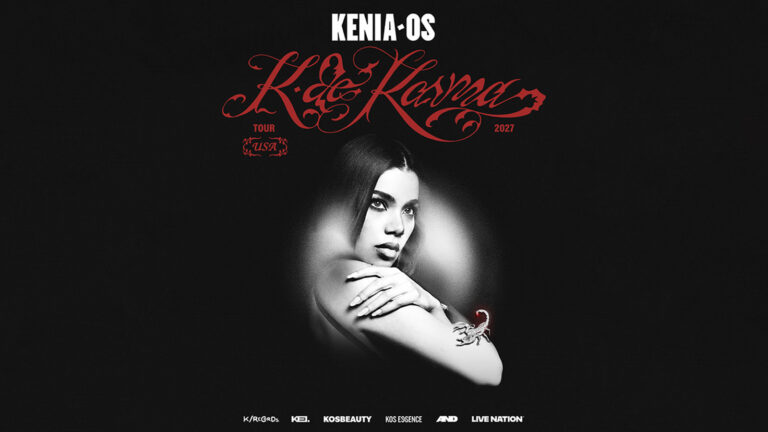
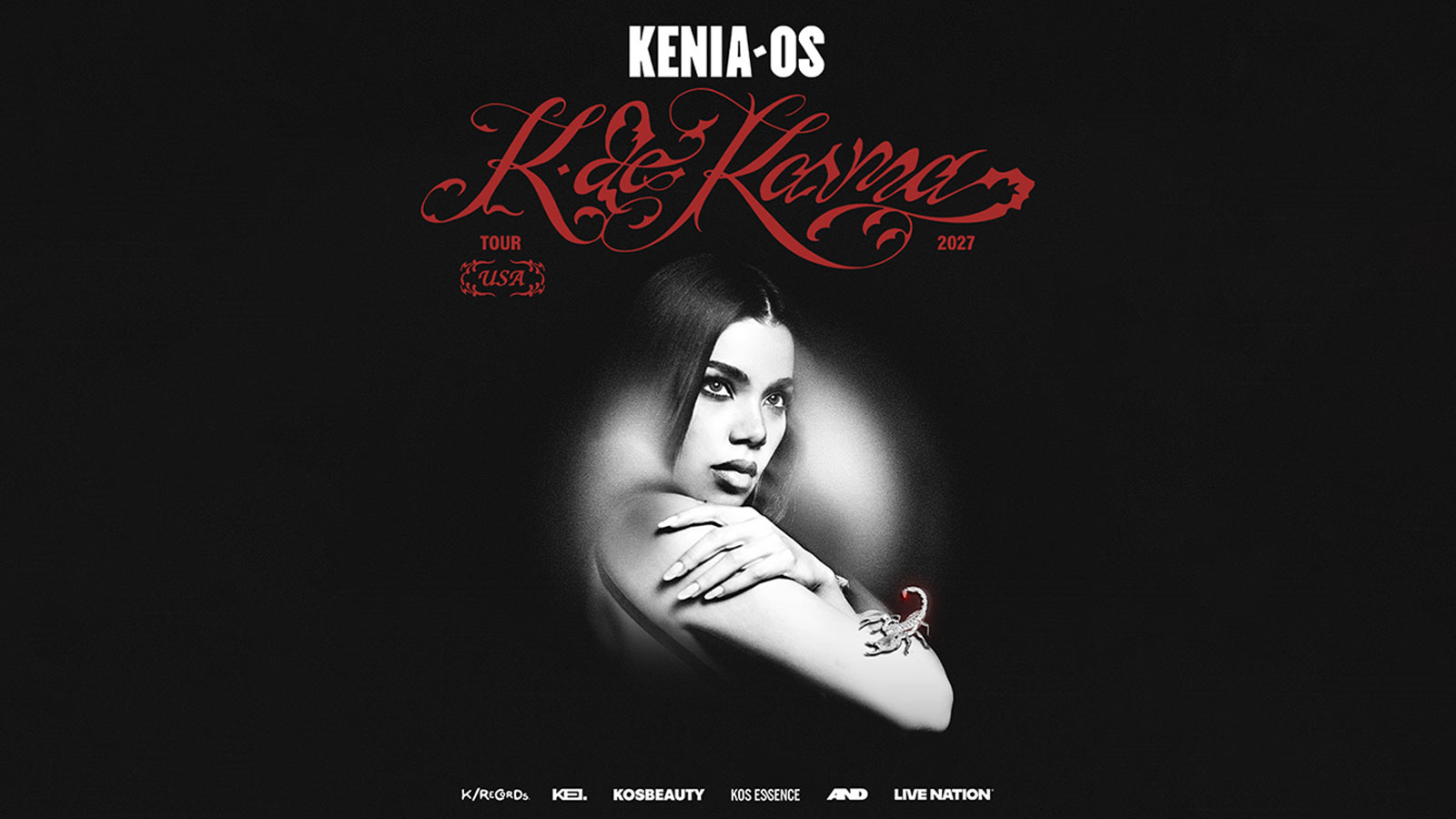
Kenia Os Brings K DE KARMA to the U.S. With Six-City 2027 Tour
LaMezcla Staff
October 7, 2026
Mexican pop star Kenia Os is bringing her K DE KARMA era to the United States with a newly announced six-city tour promoted by Live Nation. The K DE KARMA U.S. TOUR will kick off February 10, 2027, in Dallas before making stops in Chicago, New York, Houston, and Southern California, concluding February 27 at the YouTube Theater in Inglewood, near Los Angeles. The announcement marks Kenia Os’ third U.S. tour and another significant step in her evolution from digital personality to established Latin pop performer. With a growing international audience and an increasingly recognizable creative identity, the Mexican singer is positioning her latest album cycle for a broader live audience. The tour follows the release of K DE KARMA, her fourth studio album, which arrived earlier in 2026. Featuring fan favorites including “Belladona,” “Una y Otra Vez,” and “Slay,” the project emphasizes polished pop production, confident songwriting, and the visual storytelling that has become central to her artistic identity. Rather than simply introducing another collection of songs, K DE KARMA represents a continuation of Kenia Os’ transformation into a multidimensional pop artist. Her music, fashion, and visual presentation increasingly operate as parts of the same creative universe, giving the upcoming tour an opportunity to translate that identity into a larger concert experience. That evolution is particularly important in the United States, where the next challenge for artists with substantial digital followings is converting online engagement into consistent ticket demand. For Kenia Os, a six-city itinerary featuring established theaters provides another opportunity to develop her touring presence without relying exclusively on streaming visibility. Her recent single “Malas Mañas” has also contributed to the album’s momentum. According to the tour announcement, the track spent several weeks on Spotify’s Top 200 and has generated more than 130,000 TikTok creations. While those figures reflect engagement across different platforms, they also illustrate how her music continues circulating beyond traditional release campaigns. The singer’s growing presence in fashion adds another dimension to her career. Following an appearance at New York Fashion Week, where she was photographed alongside Anna Wintour during Tommy Hilfiger’s show, Kenia Os also attended Paris Fashion Week. These appearances are more than isolated celebrity moments. For contemporary Latin pop artists, fashion partnerships and high-profile cultural events can extend visibility into audiences that may not initially discover them through music. Kenia Os’ crossover presence suggests an increasingly integrated approach to building her public identity, with music remaining at the center. According to the announcement, she has nearly 19 million Instagram followers and more than 28 million TikTok followers. Those audiences provide a substantial promotional foundation, although the commercial significance of this U.S. tour will ultimately depend on how effectively that attention translates into concert attendance. Kenia Os K DE KARMA U.S. Tour Dates 2027 Date City Venue February 10 Dallas, TX Majestic Theatre February 12 Chicago, IL The Auditorium February 13 […]

ELA Taubert Performs “¿Cómo Pasó?” With Joe Jonas in Miami
LaMezcla Staff
October 7, 2026
Colombian singer-songwriter and Latin GRAMMY winner ELA Taubert brought her signature emotional pop sound to one of Miami’s biggest concert stages, joining the Jonas Brothers for a special performance of “¿Cómo Pasó? (with Joe Jonas)” during the group’s sold-out stop on The Burning Up Tour All Over Again. The surprise appearance reunited Taubert with Joe Jonas, alongside Nick and Kevin Jonas, for a bilingual rendition of the song that has become a defining part of her breakthrough. It marked the fourth time Taubert and Joe Jonas have performed the collaboration together, further strengthening a musical partnership that has helped introduce her music to audiences beyond the traditional Latin pop market. Their connection dates back to the 25th Annual Latin GRAMMY Awards in 2024, where the pair debuted their collaboration onstage. That same evening, Taubert earned the Best New Artist award, establishing herself as one of the emerging artists to watch in Latin music. Since then, “¿Cómo Pasó?” has remained central to her growing international profile. According to figures shared by her team, the song has accumulated more than one billion combined streams and earned an RIAA Platinum certification. The bilingual version featuring Joe Jonas introduced a new dimension to the record, pairing Taubert’s emotionally direct songwriting with the crossover appeal of an established American pop artist. But the significance of their Miami reunion extends beyond another celebrity collaboration. For Taubert, performing alongside the Jonas Brothers represents a strategic opportunity to reach listeners who may not regularly engage with Spanish-language pop. Rather than abandoning the musical identity that helped establish her career, she is bringing that identity into spaces traditionally associated with mainstream English-language pop. That distinction matters as Latin artists increasingly pursue international audiences without necessarily making a complete transition into English-language music. Taubert’s collaboration with Joe Jonas demonstrates how bilingual songwriting and recognizable emotional themes can connect audiences across languages. The performance also arrives as Taubert moves into a new creative phase following her breakthrough success. Recent singles “La Gente Cambia,” “Hasta El Fin Del Mundo,” and “No Tengo Remedio” reflect an artist exploring new musical textures while maintaining the vulnerability that has become central to her songwriting. On “No Tengo Remedio,” Taubert incorporates synthesizers and playful pop instrumentation into a story about unrequited love and the difficulty of letting go. The song captures the contradiction of knowing a relationship may be over while continuing to imagine another opportunity to make it work. That evolving production approach suggests a gradual expansion of her artistic identity. While “¿Cómo Pasó?” introduced many listeners to Taubert through an emotionally charged pop ballad, her newer releases indicate an interest in developing a broader sonic palette without losing the storytelling that connects her to fans. This is an important transition for an artist whose early recognition was closely associated with one defining song. The challenge now is converting that breakthrough into a sustainable catalog, one that gives audiences multiple reasons to remain invested beyond the initial hit. Her recent visibility also extends beyond music. Taubert was selected for Forbes’ 30 Under 30 recognition, following recognition from Vogue LATAM earlier in 2026. Together, those acknowledgments reflect growing attention around her career and public profile. Still, live appearances such as the Jonas Brothers concert may prove particularly valuable in shaping her next chapter. Sharing a stage with an established international act places Taubert in front of a different audience while reinforcing her ability to perform within a major pop concert environment. The Miami performance is therefore less about revisiting a successful collaboration and more about what that collaboration continues to make possible. With new music already introducing another side of her artistry, Taubert is navigating the transition from emerging Latin GRAMMY winner to an artist building a broader international presence. Her next scheduled appearance will bring her back to Miami for Billboard Latin Music Week Opening Night by Boombastic, where she is expected to perform selections from her catalog. As her musical direction continues to develop, the question is no longer simply whether ELA Taubert can connect with audiences beyond Latin America. It is how she will translate that growing visibility into a lasting international career. For more Latin pop news, artist collaborations, and emerging music discoveries, visit LaMezcla.com and explore the latest releases on the LaMezcla Music App.