



Bad Bunny Takes Over SNL: A Recap of His Season 51 Premiere

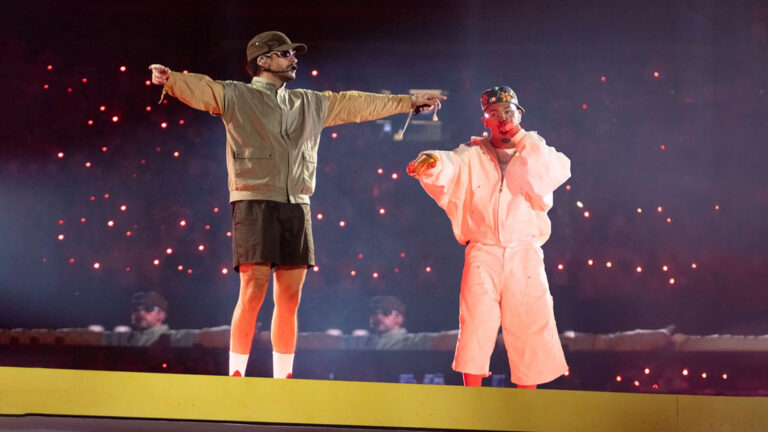
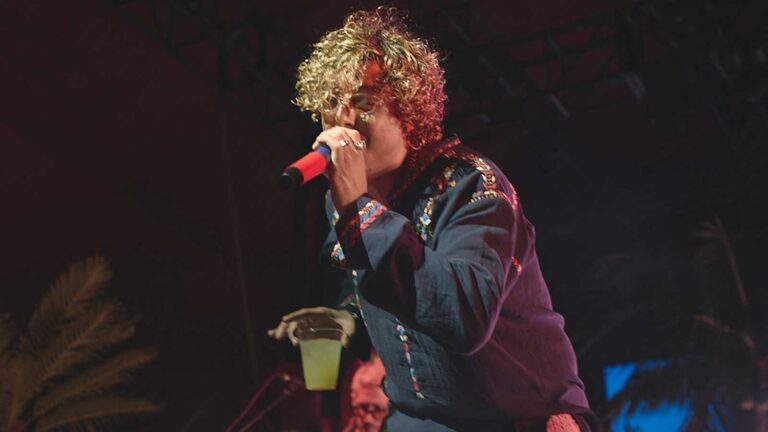
Saturday Night Live returned with a bang on October 4, as Bad Bunny hosted the season 51 premiere marking his second time as host and used the platform to respond to recent controversies, flex his comedic chops, and reinforce his role as a cultural force.
Below, we break down the standout moments, the sketches that landed (and those that didn’t), and why this episode matters beyond late-night laughs.
Opening Monologue: Confronting Critics with Humor & Pride
From the very start, Bad Bunny addressed the elephant in the room: the backlash over his upcoming Super Bowl LX halftime show.
- He jokingly quipped that “everyone’s happy about it even Fox News.”
- Then, switching to Spanish, he spoke directly to Latino audiences in the U.S. and abroad:“Especialmente todos los latinos y latinas del mundo, y aquí en los Estados Unidos, todos aquellos que han trabajado para abrir puertas… éste es más que un logro para mí, es un logro para todos nosotros.”
- He wrapped it with a pointed line in English: “And if you didn’t understand what I just said, you have four months to learn.”
- Interspersed was a satirical Fox News montage edited to praise him in exaggerated and obviously humorous terms.
For many, the monologue struck a balance: bold, proud, playful, and unafraid. It immediately established the tone for the night as more than just a comedy show it was also a political and cultural statement.
Sketch Highlights & Flubs: When the Comedy Shone and When It Fizzled
As with any SNL, not every sketch lands. But there were moments this Saturday that left a mark and others that felt undercooked.
What Worked
- “KPop Demon Hunters” crossover sketch
This turned into one of the night’s biggest surprises. Bad Bunny played a hyper-fan of the fictional KPop Demon Hunters movie. His character’s devotion summons the real-life trio Huntr/x (Ejae, Audrey Nuna, Rei Ami), who performed “Golden” (from the movie soundtrack) in a dramatic twist to battle Bowen Yang’s demon.
The meta-moment was clever, weaving in current pop culture and giving Bad Bunny a musical spotlight beyond his role as a host. - “Inventing Spanish / El Chavo Del Ocho homage”
The show leaned into nostalgia and language play. One sketch featured Benicio del Toro in a bit about rolling the “R,” and another paid tribute to El Chavo del Ocho with Bad Bunny as Quico, Sarah Sherman as La Chilindrina, and Marcello Hernández as El Chavo. - “Jeopardy with Bad Bunny” & “Parent Teacher Conference (Hot Dad)”
In Jeopardy, Bad Bunny tried (and humorously failed) to grasp the game’s rules. In Parent Teacher Conference, he played a flirtatious dad whose kid’s disturbing drawings lead to comedic chaos. - Doja Cat performances
As musical guest, she performed “Gorgeous” and “AAAHH MEN!” off her new album Vie, offering a sleek, high-energy counterpoint to the sketches.
Misses & Mixed Moments
- Some sketches felt generic or misaligned with Bad Bunny’s strengths. The Jeopardy one, while comedic, leaned on formulaic setups that didn’t quite tap his charisma.
- The overall structure was criticized as uneven. According to critics, the political cold open and monologue were strong, but the midsection sagged with weaker material.
- Cast and writer changes may have impacted cohesion. With turnover behind the scenes, some sketches lacked polish or direction.
Still for all its flaws, the episode had moments of brilliance and, more importantly, a clear voice.
Why This Episode Resonates: Representation, Identity & Stakes
This wasn’t just another celebrity hosting gig. Bad Bunny used SNL as a platform for something larger:
- Latino visibility in high-profile spaces
As he emphasized in his monologue, his role at the Super Bowl is more than personal it’s symbolic for Latinos who have long struggled for recognition in mainstream U.S. culture. - Language, identity, and power dynamics
His quip that critics have “four months to learn” Spanish cut deep it spotlighted how language is weaponized in cultural debates in America.
It also echoed his decision to limit his U.S. tour stops over fear of ICE enforcement a decision rooted in the lived realities of many Latinx Americans. - Pushing back against political backlash with art
The controversy aren’t just whispers they’re loud. Some conservative voices and public figures have attacked his selection for the halftime show, pointing to his Spanish-only catalog or questioning his place in the American cultural sphere. Bad Bunny took that head-on, blending humor and boldness.
In short: this wasn’t just “Bad Bunny on SNL.” It was Bad Bunny claiming space.
Social Media & Fan Echoes
Reactions were loud and fast:
- On Reddit, fans cheered his monologue and clapbacks:“He’s so funny about this stuff.”
- On X/Twitter and Instagram, clips of his Spanish-to-English mic drop and the Fox News mashups went viral, fueling conversation about representation, culture, and politics.
- Media coverage emphasized how unpredictable it was to see a major Latin artist push back publicly on that stage, and how many were acclaiming his performance as both entertaining and meaningful.
Bad Bunny’s return to Saturday Night Live was more than a promotional stunt it was a loud, visible assertion of identity, language, and power. There were stumbles in execution and pacing, but his overarching presence and message kept the night resonant.
Fans will remember his monologue, his willingness to lean into political crosshairs, and that moment where he dared critics to learn Spanish. If nothing else, he made clear: he’s not just a musical headliner he’s a cultural force.