





Karol G Historic Coachella 2026 Headlining Set Brought Out Becky G, Wisin and Mariah Angeliq
Karol G didn’t just headline Coachella this weekend, she reshaped what a headlining moment for Latin music looks like on one of the world’s biggest stages.
On Sunday night, the Colombian superstar became the first Latina to headline the Coachella main stage, closing out Weekend 1 with a performance that balanced spectacle, symbolism, and cultural intention. But beyond the milestone itself, the set landed as something more consequential: a fully realized Latin production that didn’t dilute its identity for a global audience, it amplified it.
“This is not just about me… this is about my Latino community,” Karol G told the crowd during the set, grounding the moment in something bigger than a personal achievement. Her words, acknowledging both the delay in representation and the resilience of the Latin community, quickly became one of the defining emotional anchors of the night.
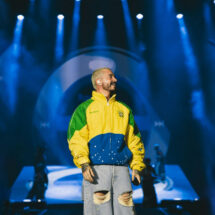
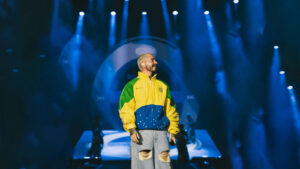
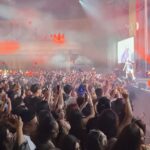
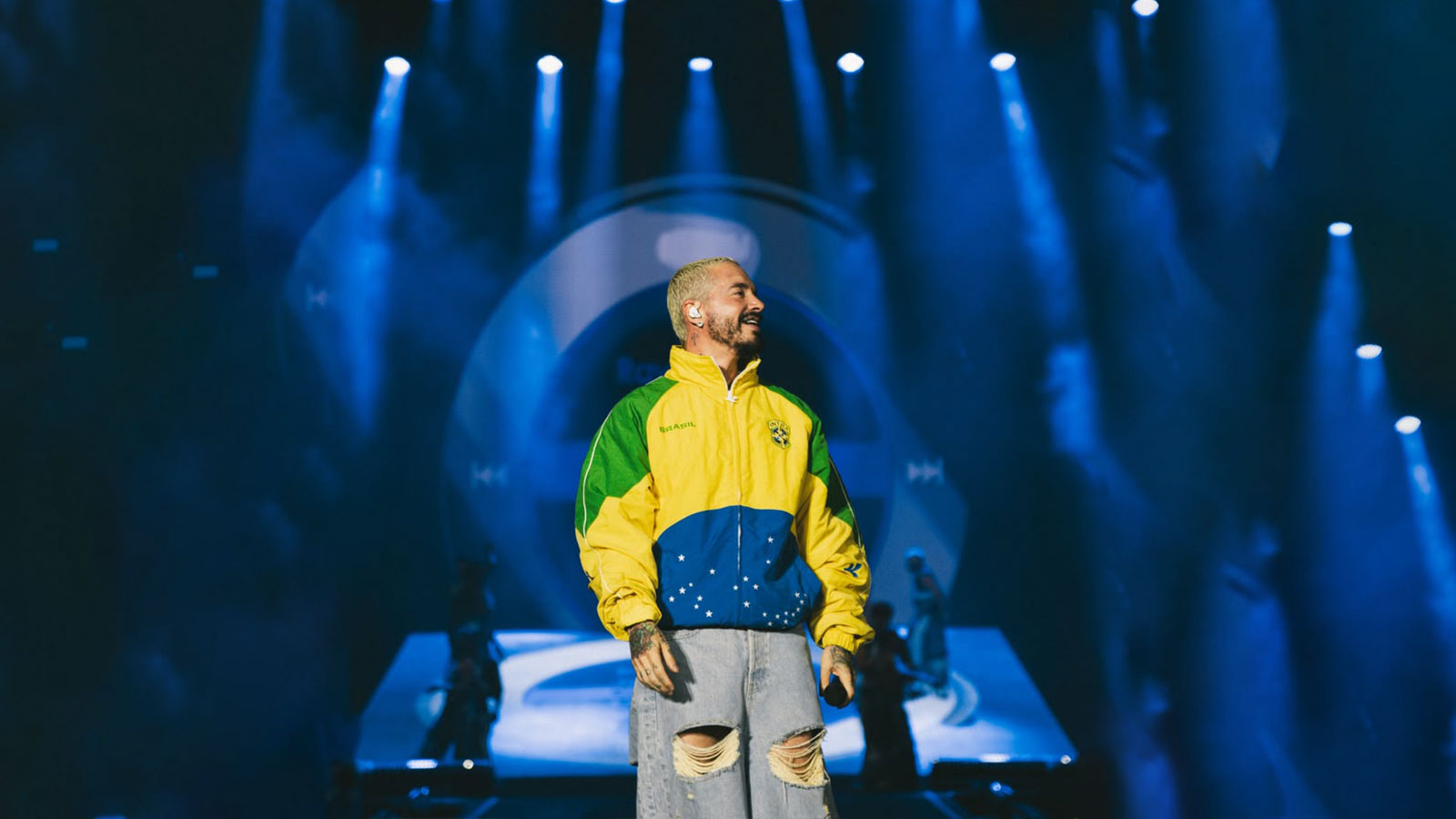
Photos from Karol G’s Coachella PERFORMANCE
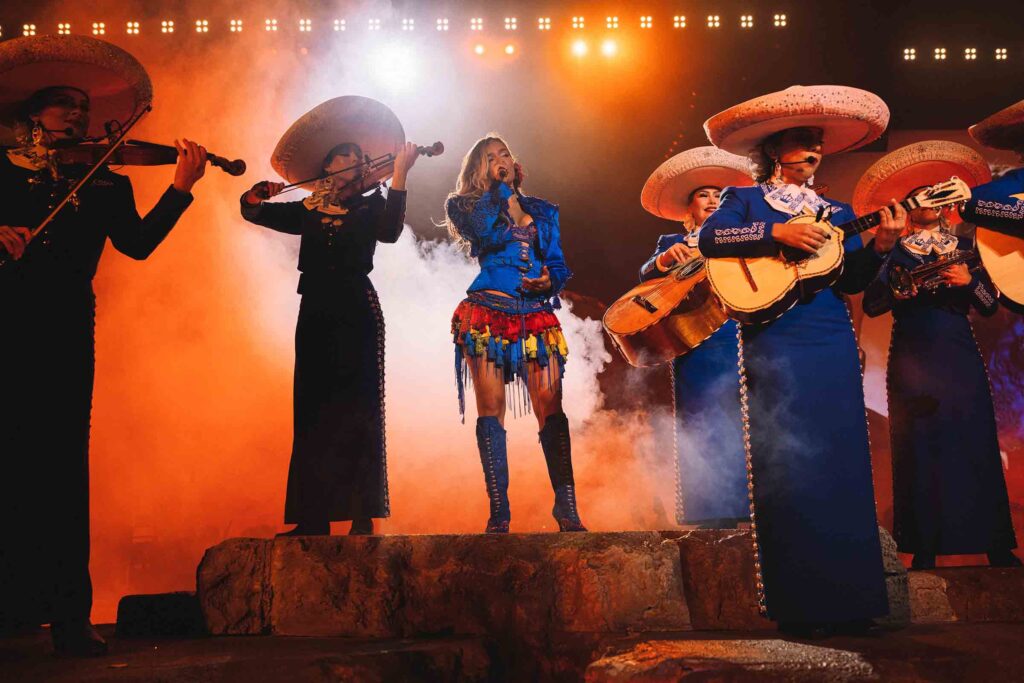
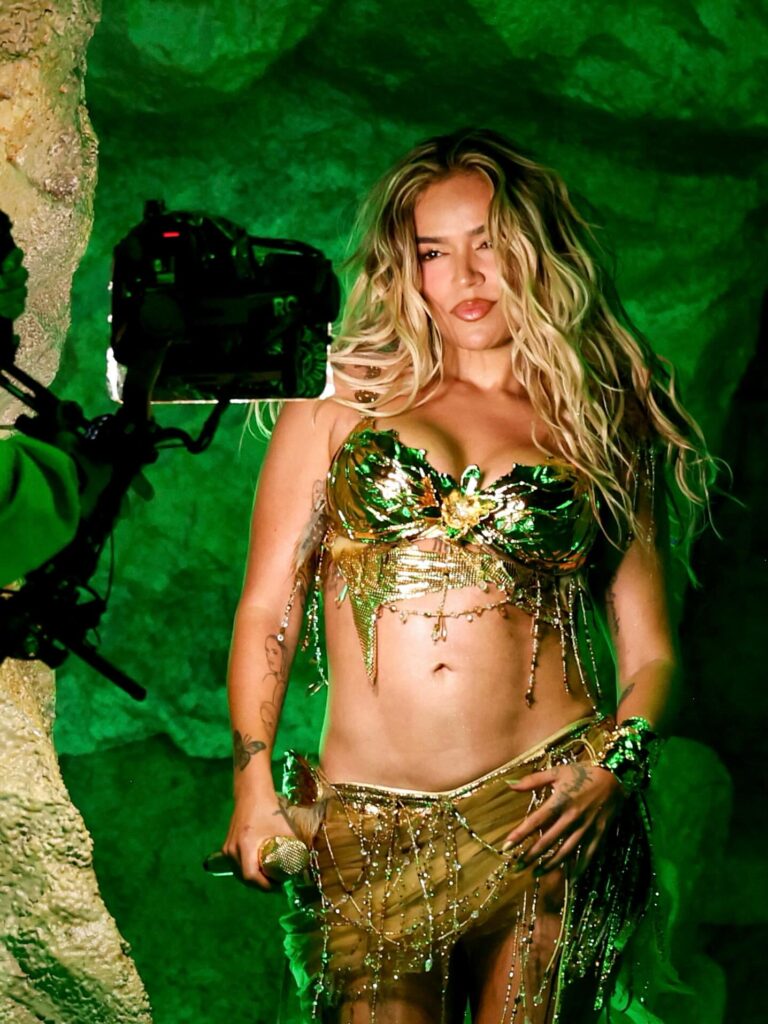
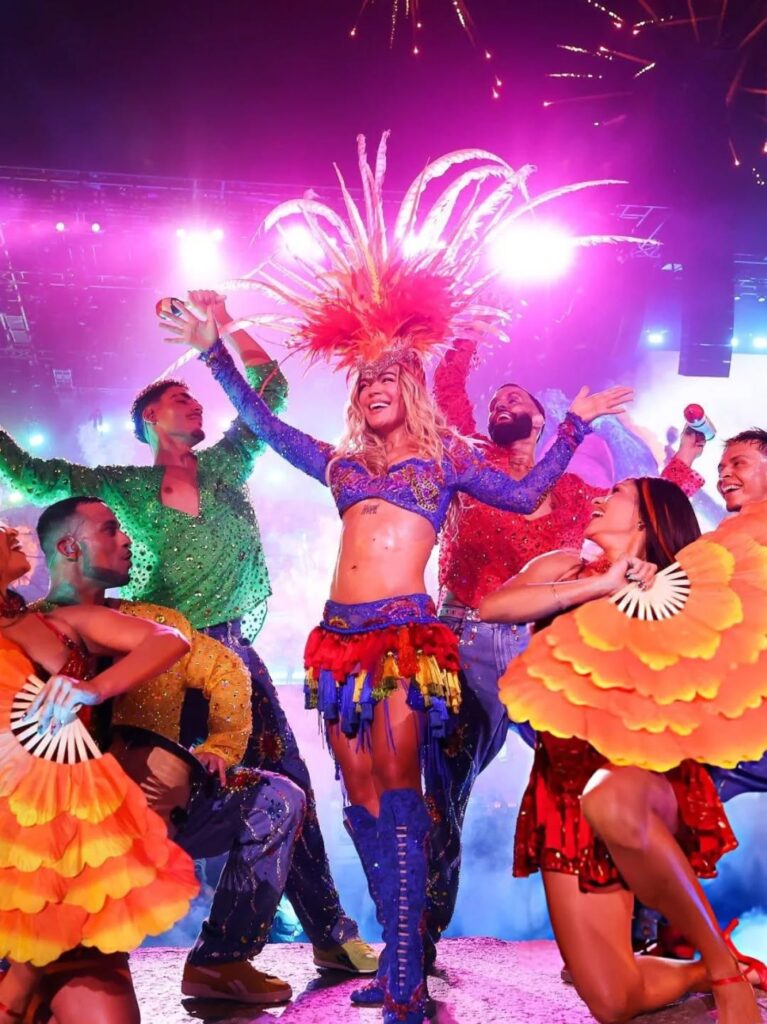
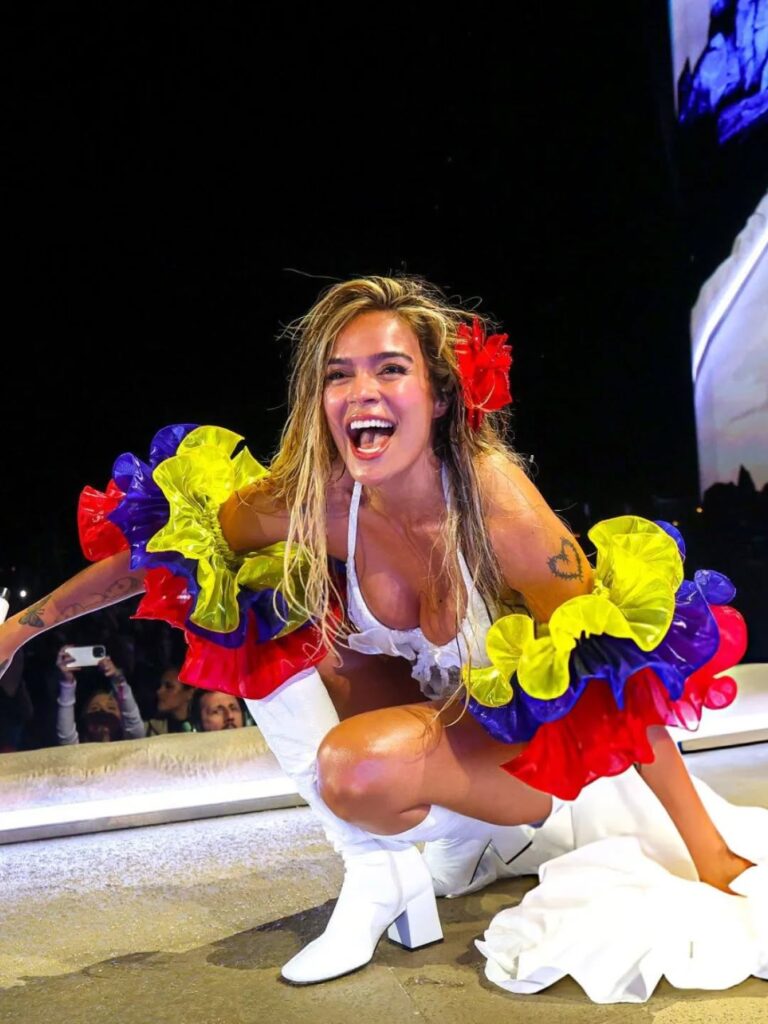
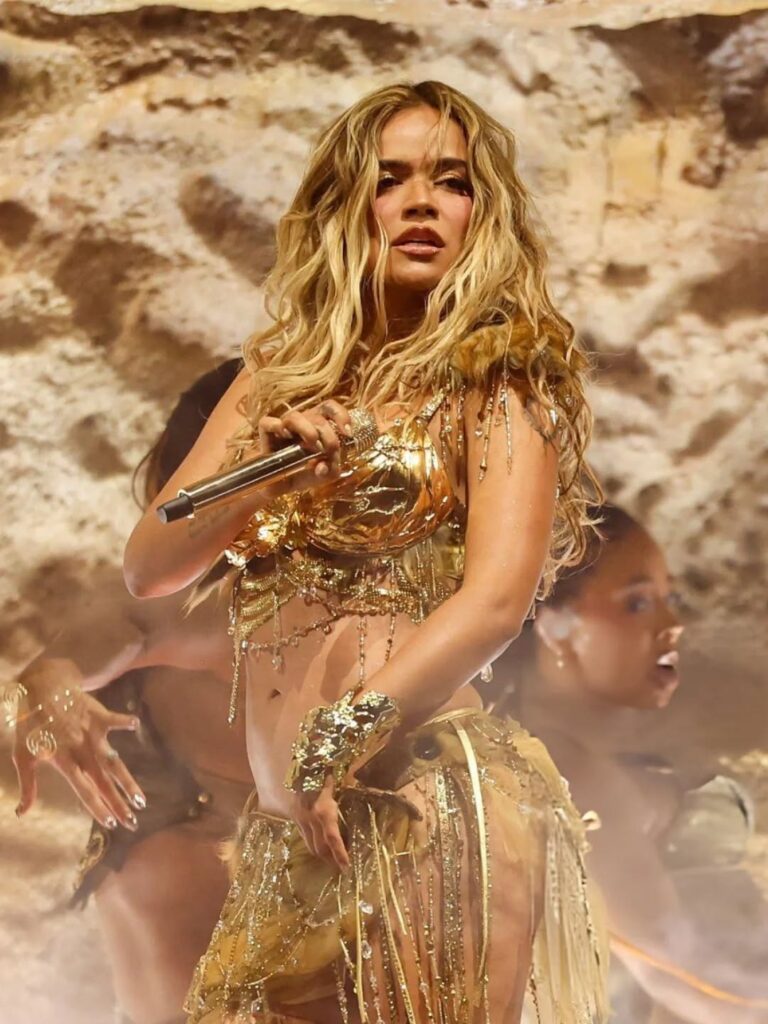
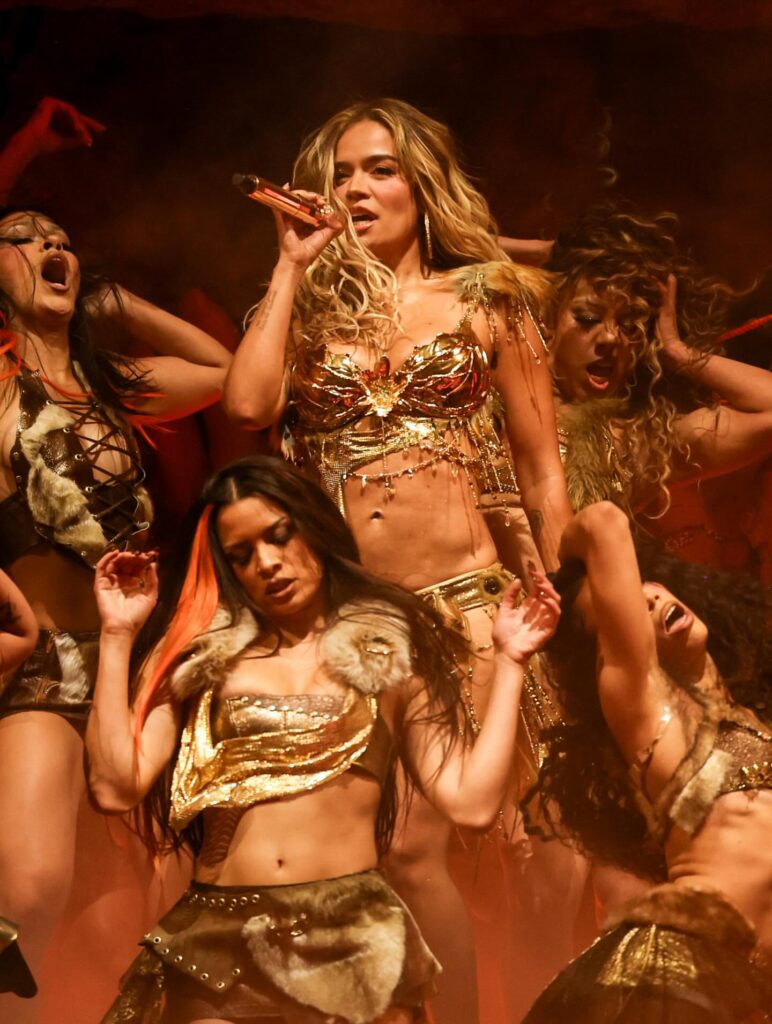
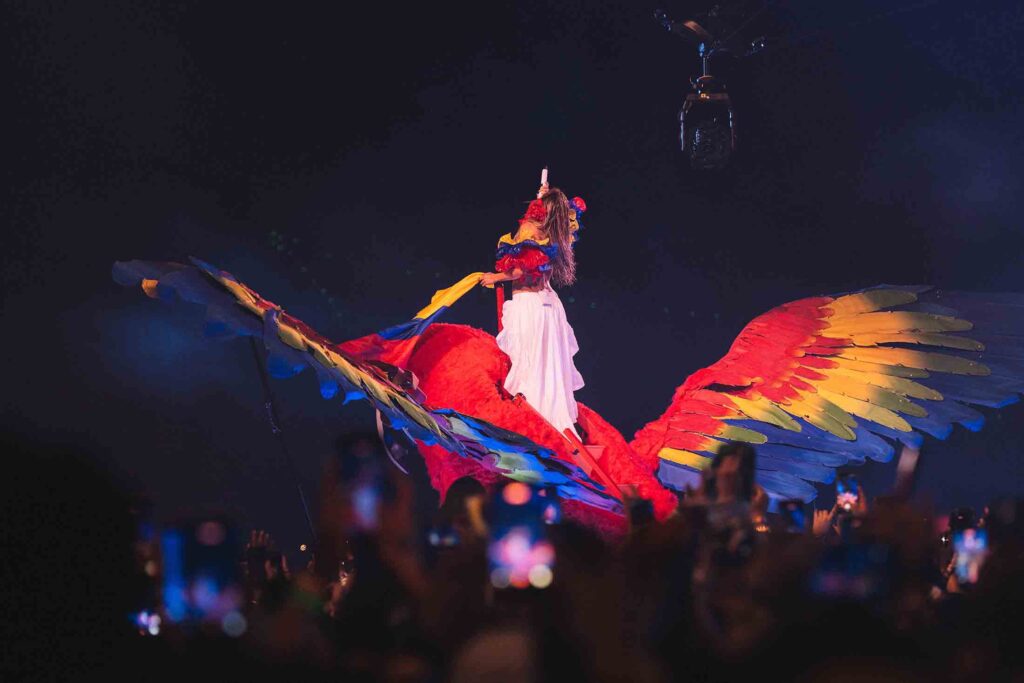
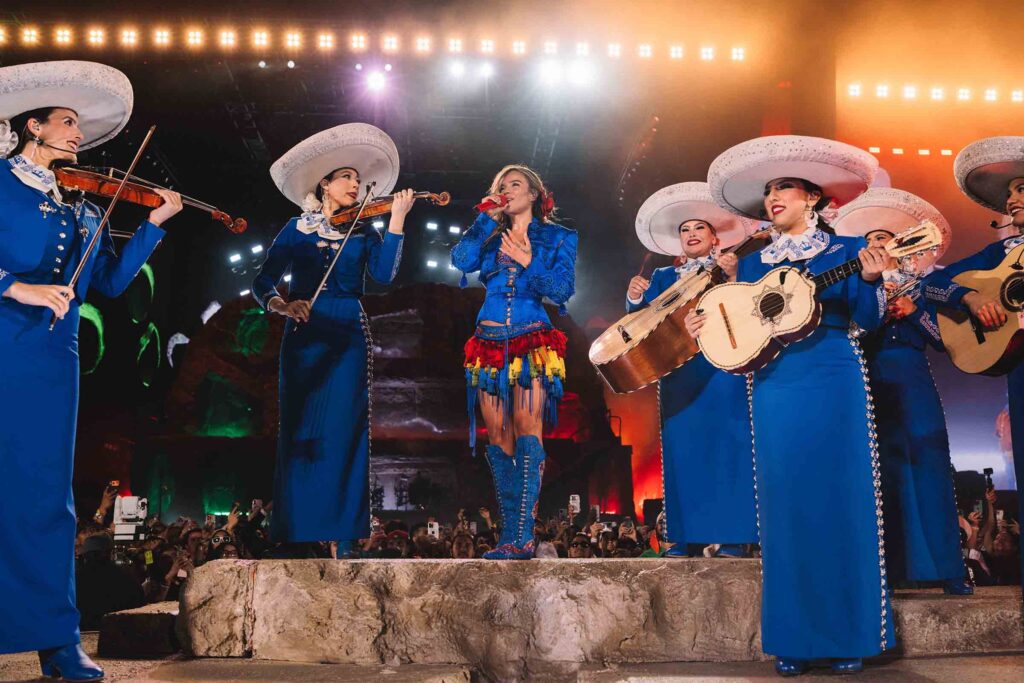
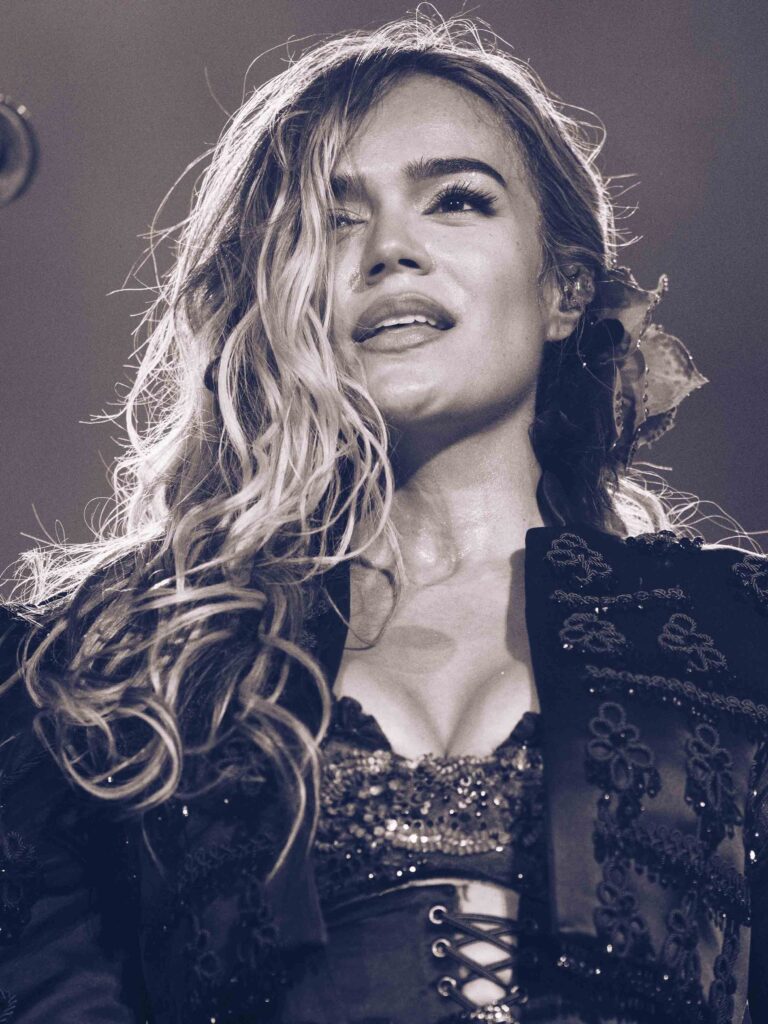
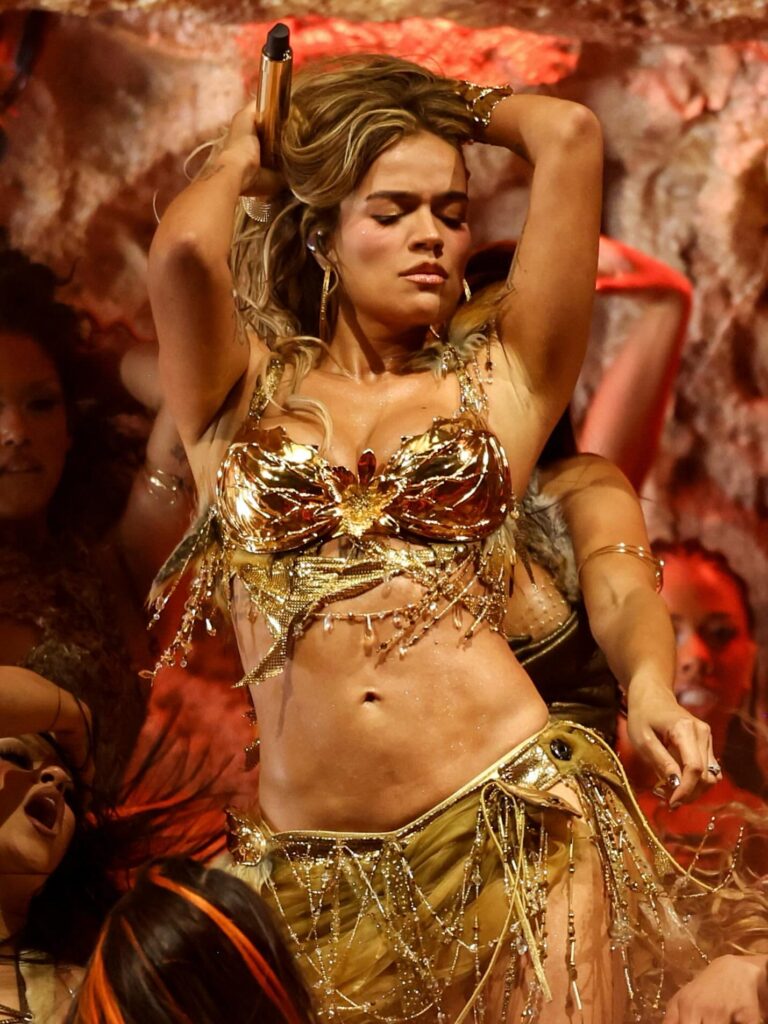
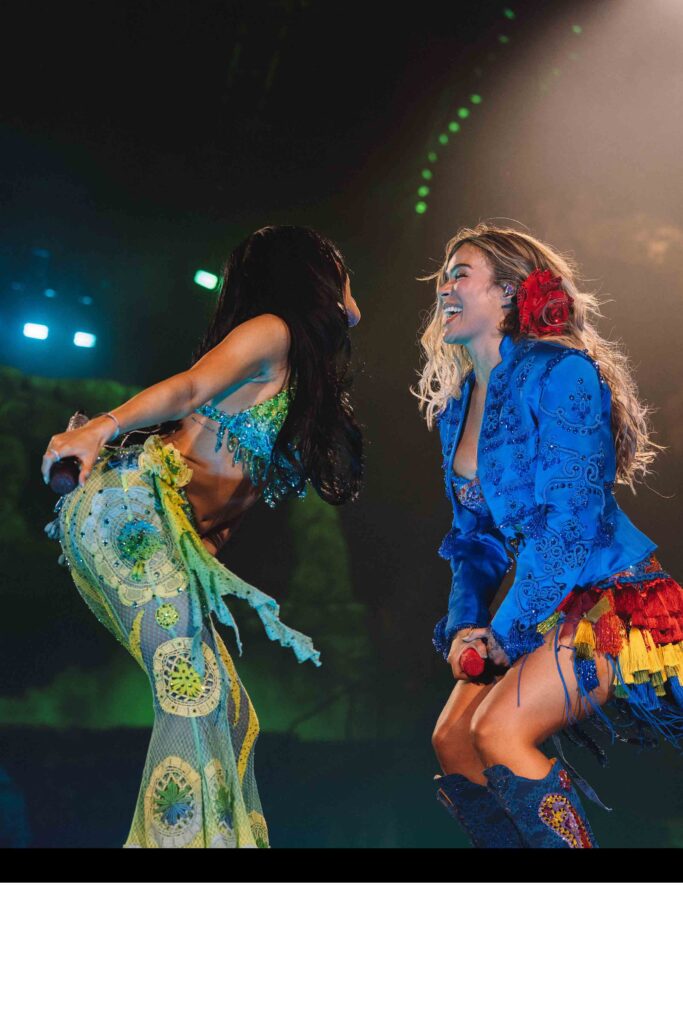
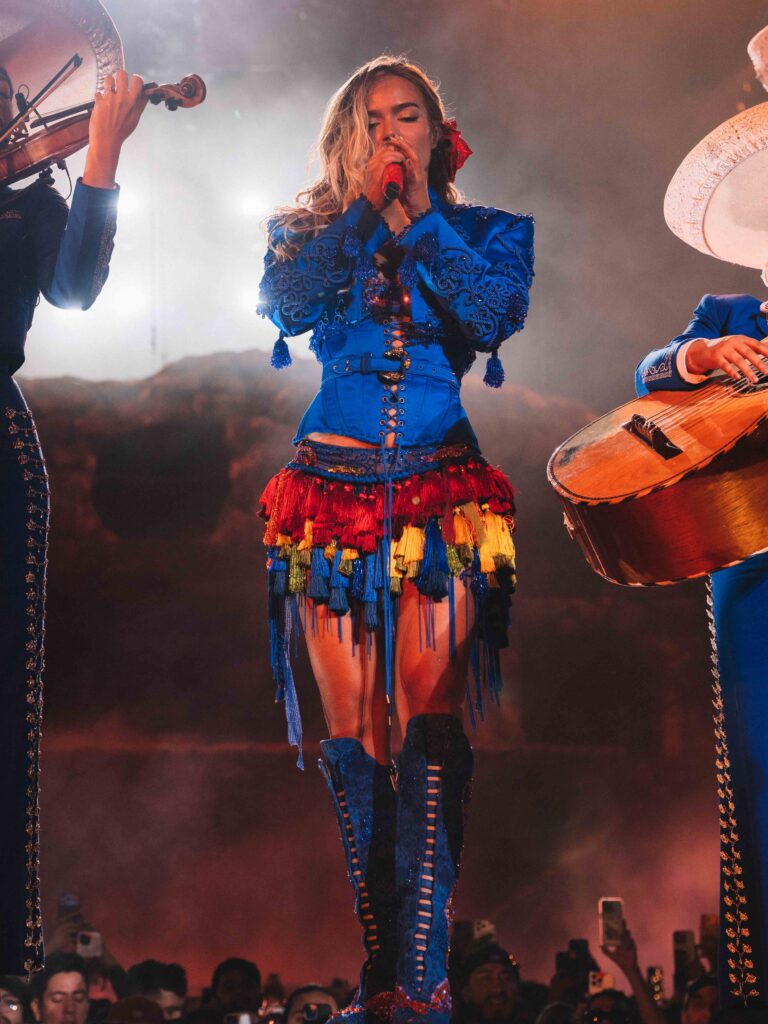
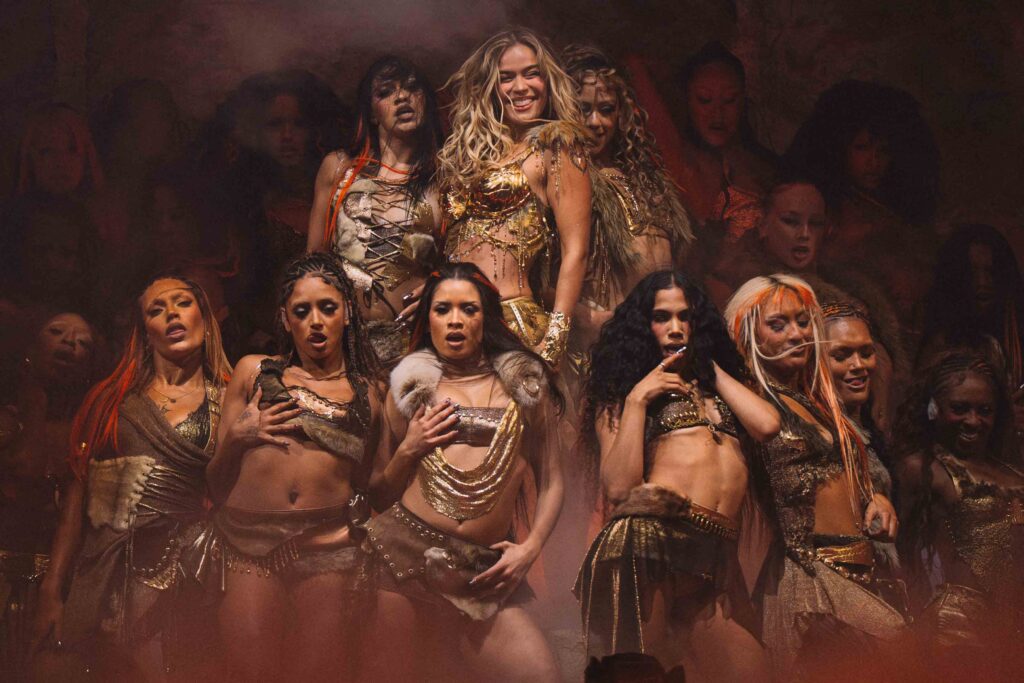
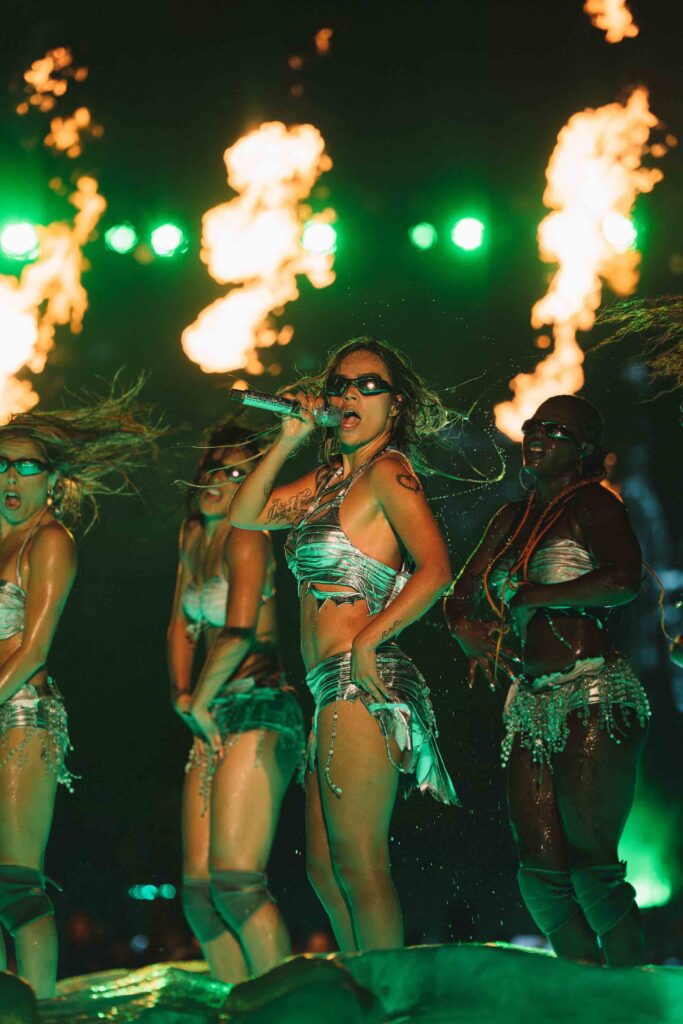
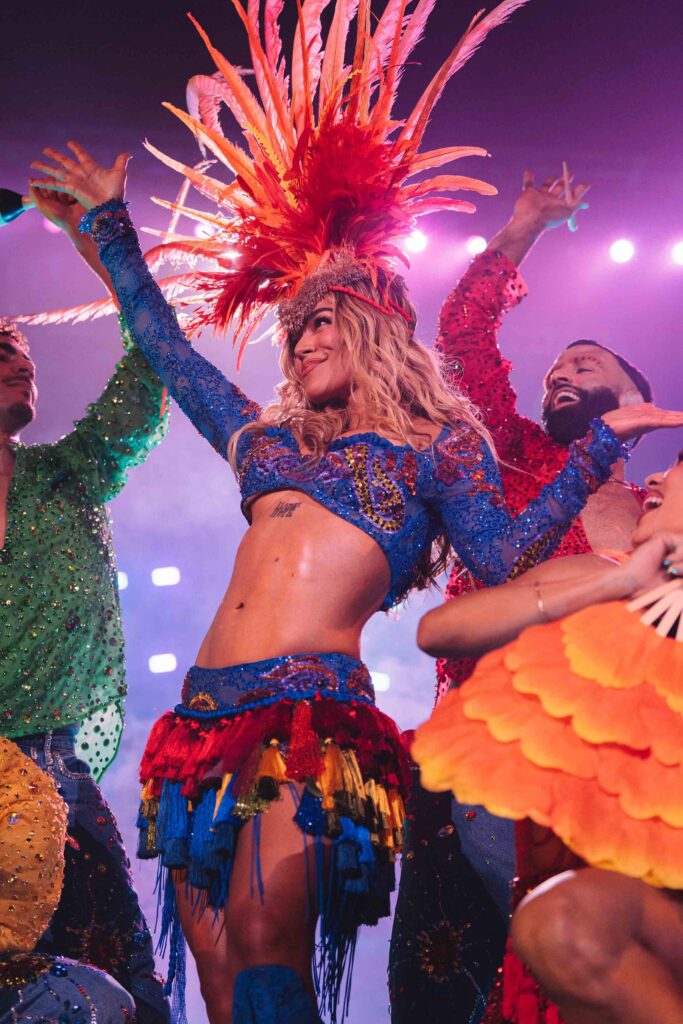
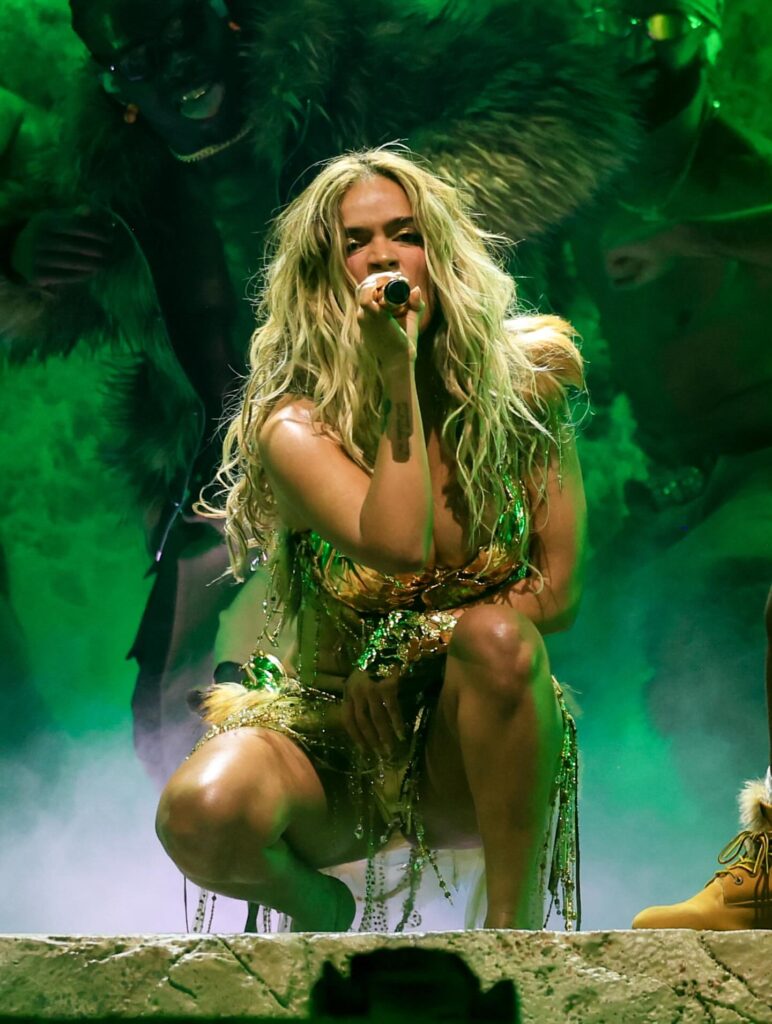
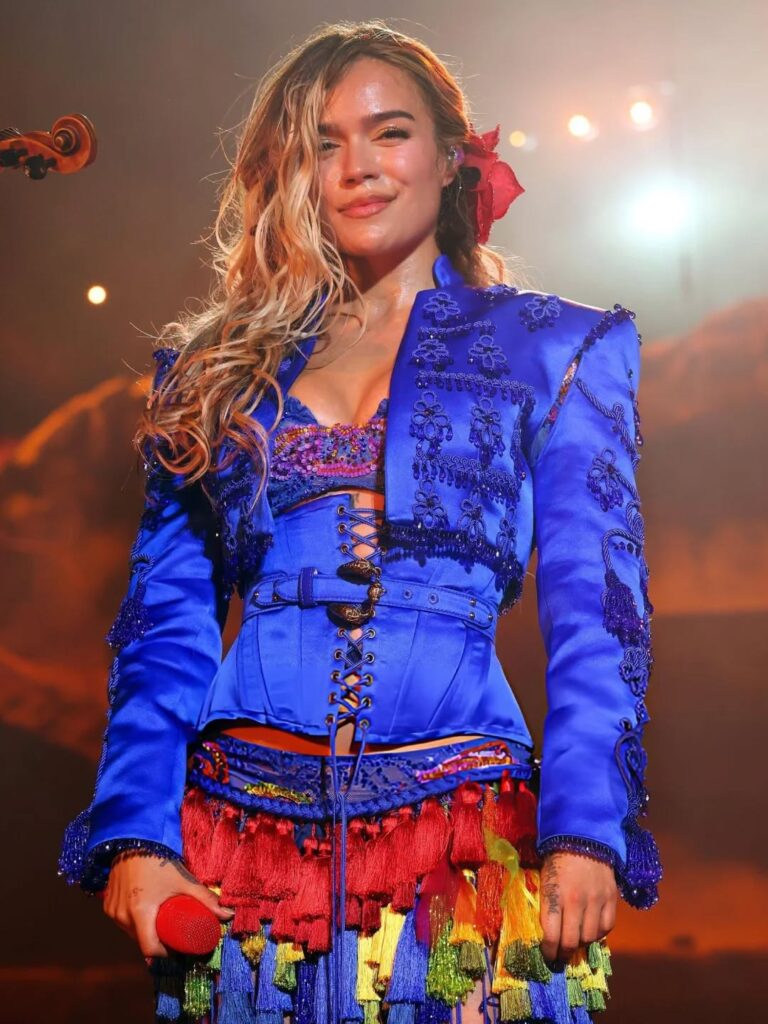
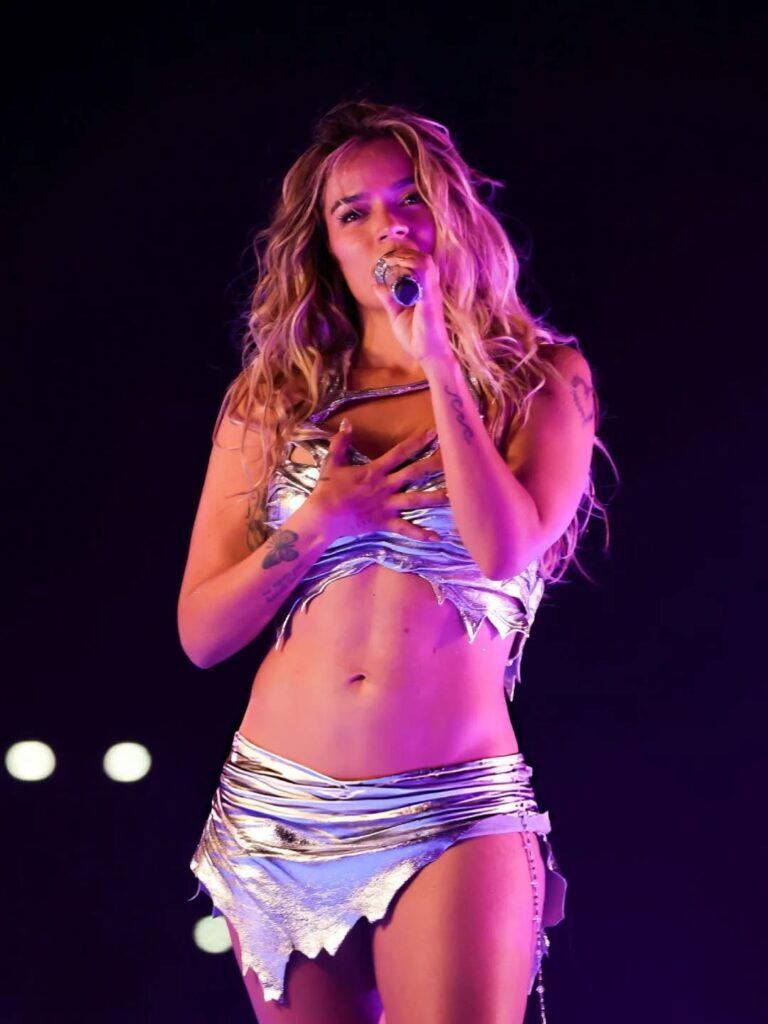
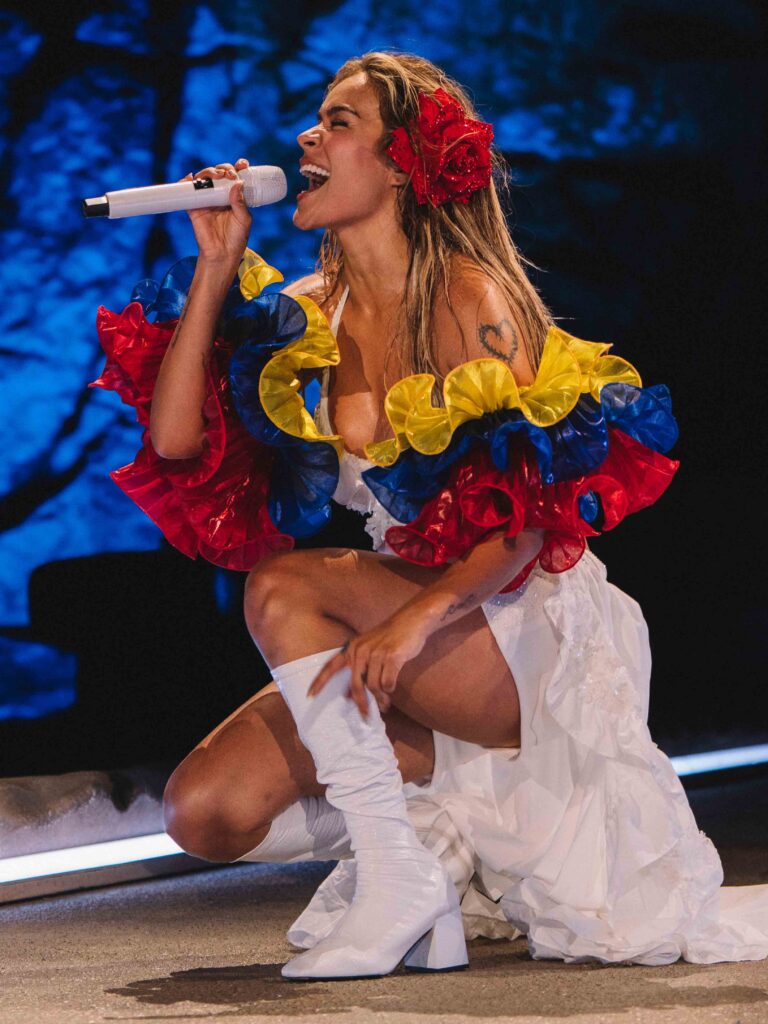
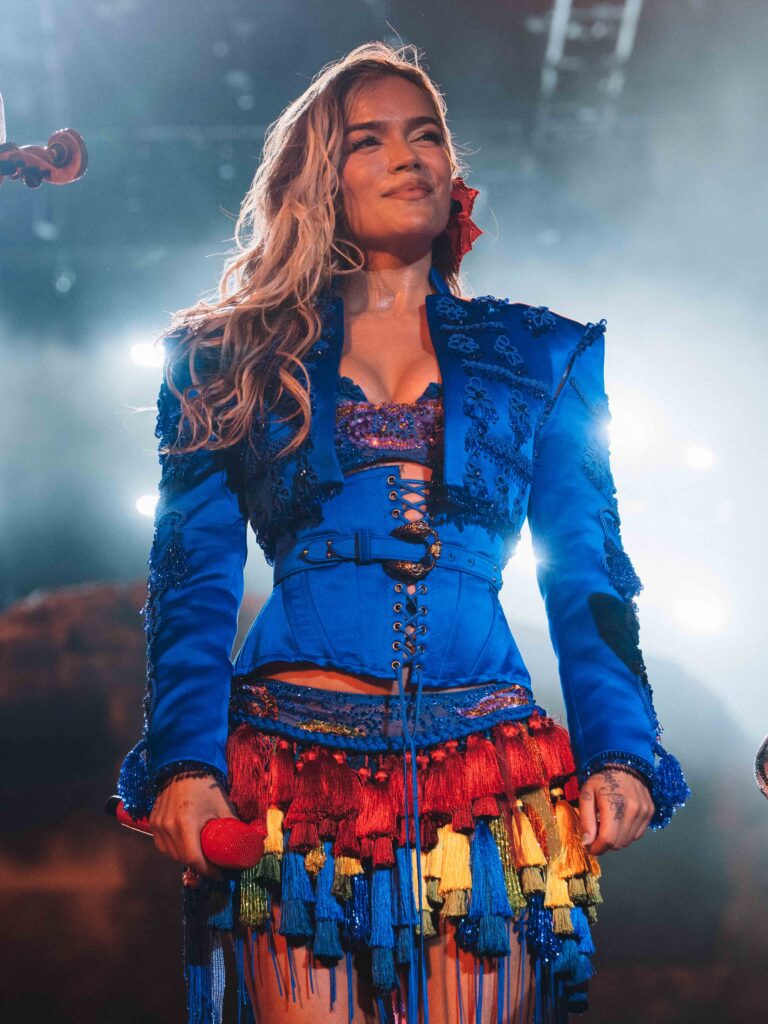
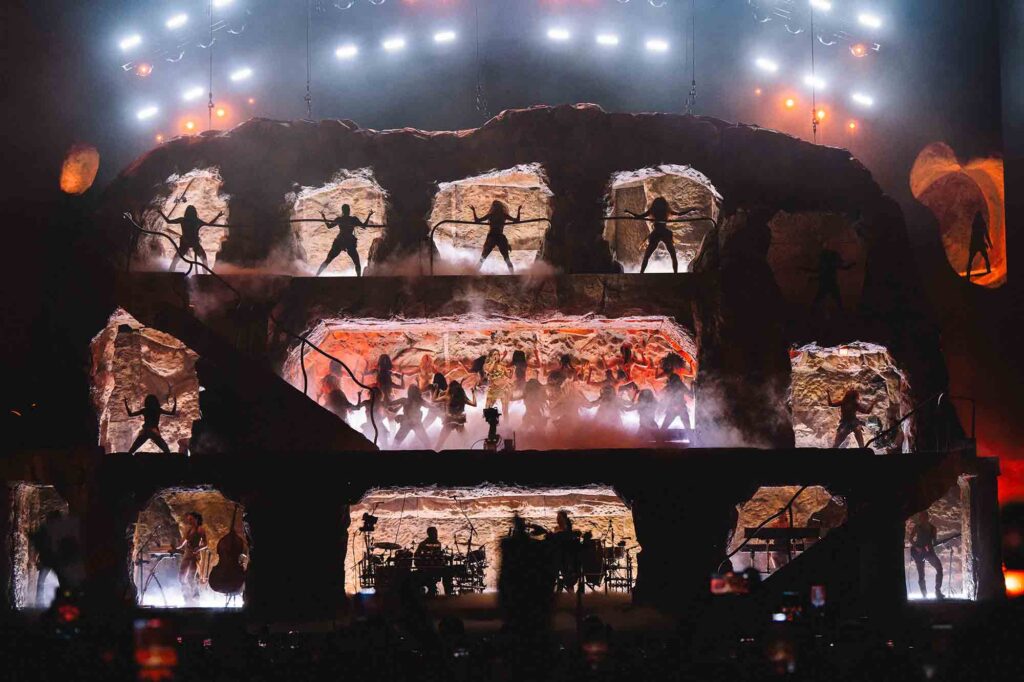
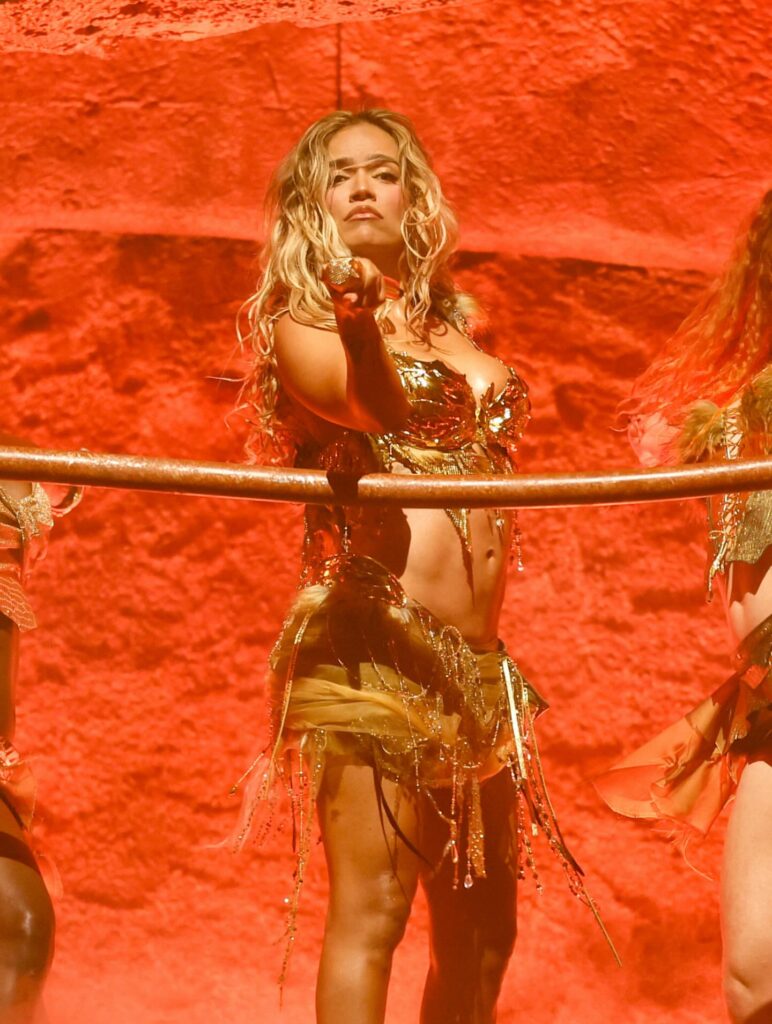
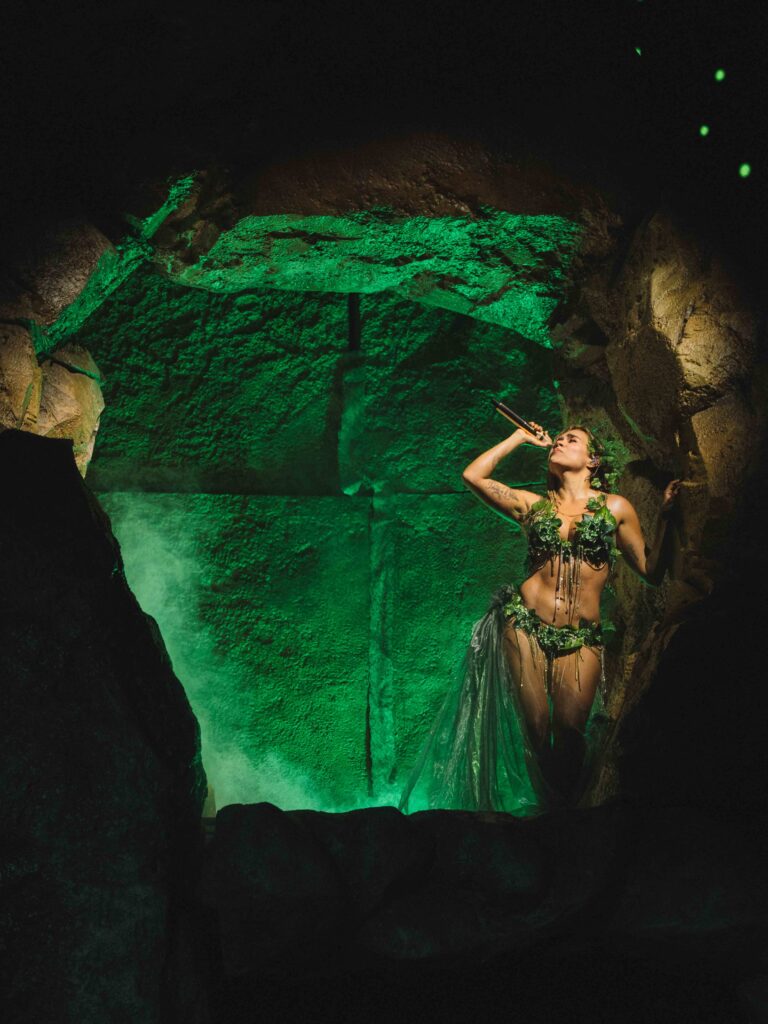
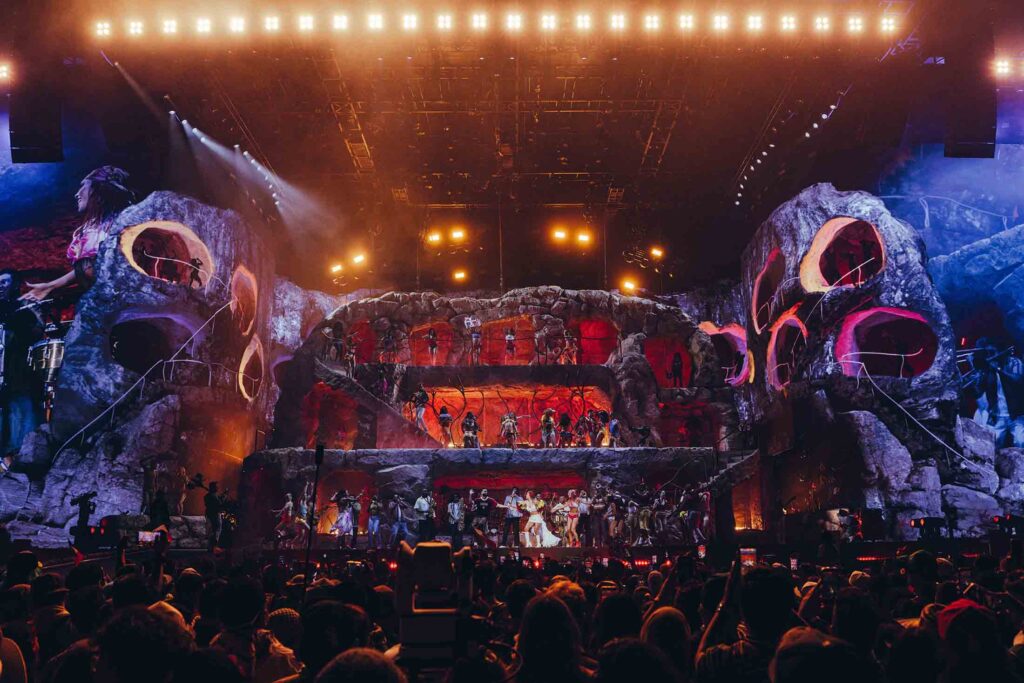
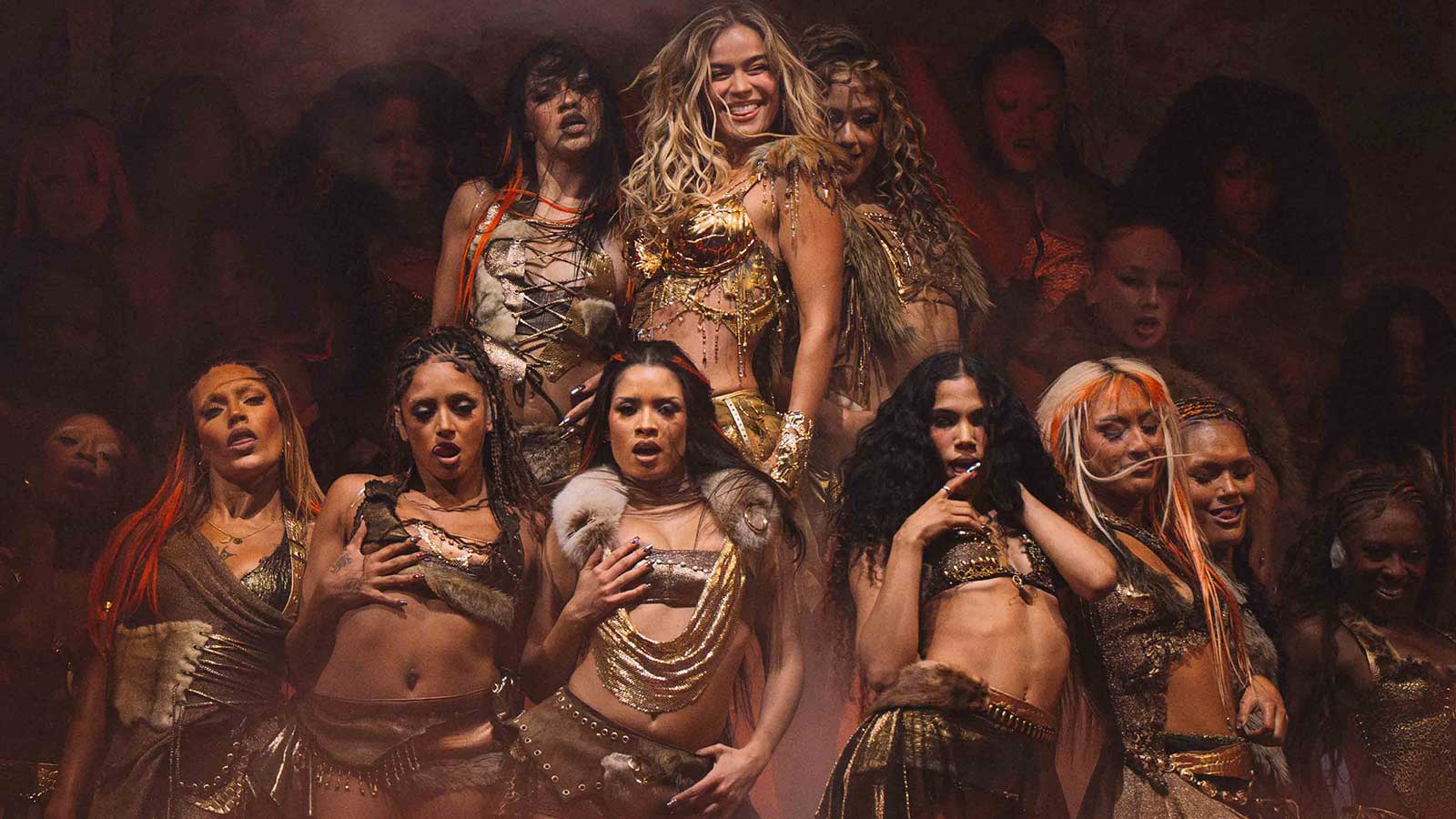
The performance unfolded as a narrative-driven experience rooted in transformation, identity, and feminine strength. Rather than running through a traditional festival setlist, Karol built a conceptual arc, moving from origin to evolution, mirrored in a stage design that transitioned from rugged, earth-toned rock formations into a glowing, quartz-like oasis at its center. The creative direction, led by Parris Goebel alongside producer Parker Genoway, gave the show a cinematic quality rarely seen in festival headlining sets.
That attention to detail extended into the musical DNA of the performance. The opening notes featured the gaita hembra, a traditional Colombian instrument, immediately anchoring the set in her roots before expanding into a catalog that spanned reggaetón, Latin pop, and tropical influences. It was a deliberate choice, and one that reinforced the idea that Latin music no longer needs to adjust itself to global stages. It can define them.
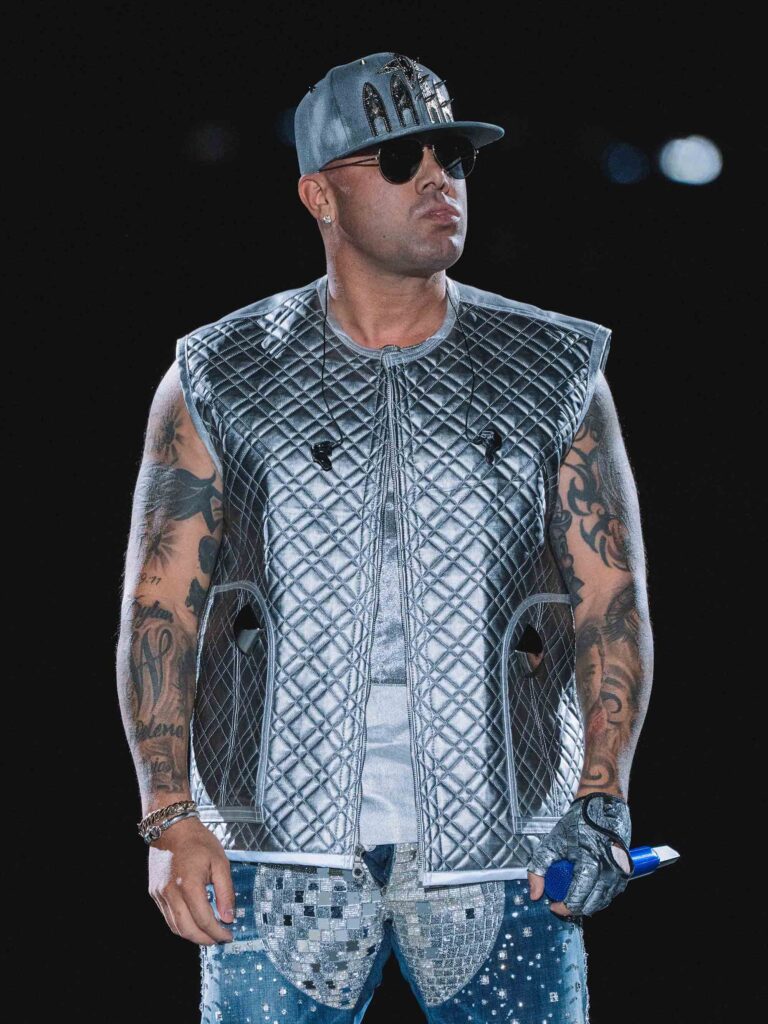
The guest appearances further elevated that narrative. Wisin brought generational weight with a medley of reggaetón classics, linking Karol’s rise to the genre’s foundation. Becky G joined her for “Mamiii,” delivering one of the night’s most viral moments, while Mariah Angeliq reinforced the modern urbano wave with “El Makinon.” Legendary trumpeter Arturo Sandoval added a live instrumental layer to “Ivonny Bonita,” expanding the set’s musical range beyond typical festival expectations.
One of the more unexpected moments came with Greg Gonzalez, who joined on guitar for a previously unreleased track, signaling Karol G’s continued push into broader sonic territory without losing her core identity.
Stream our excluisve coachella playlist on the laMezcla music app

The symbolism throughout the performance was equally intentional. The recurring image of the macaw, a vibrant, culturally rooted figure, served as a visual thread representing freedom, diversity, and Latin America’s natural richness. Combined with an all-female performance energy and layered costume design, the show positioned femininity not as a theme, but as a central force driving the entire production.
The move arrives at a moment when Karol G’s career has already shifted into global dominance. From breaking records with Mañana Será Bonito to expanding her visual and sonic world through her current era, this Coachella headline slot wasn’t a breakthrough, it was a consolidation of power. And more importantly, it was a statement about scale.
Because the real takeaway from Coachella Weekend 1 isn’t just that Karol G made history. It’s how she did it.
She didn’t rely on crossover gimmicks or festival-safe compromises. Instead, she leaned fully into Latin culture, musically, visually, and emotionally, and still delivered one of the weekend’s most universally resonant performances. That distinction matters, especially in a festival landscape that has historically treated Latin acts as supporting players rather than defining voices.
Karol G flipped that dynamic.
Her set suggested that Latin music is no longer fighting for inclusion at major global festivals, it’s beginning to dictate the tone of their biggest moments. For promoters, brands, and the industry at large, that signals a continued shift toward artists who can command both massive streaming audiences and deep cultural connection.
And for Karol G, it marks another evolution point. This wasn’t just a headline set, it was a declaration of artistic identity at its highest scale.
Weekend 2 will bring another round of performances, but the message from Weekend 1 is already clear: when Latin artists are given the biggest stage, they don’t just fill it, they redefine what that stage can represent.
For more coverage on Latin music’s biggest global moments, stay connected with LaMezcla.com and continue the experience inside the LaMezcla Music App, where the sounds shaping the culture live beyond the stage.