







Carlos Vives Reclaims the Power of Live Music on El Último Disco Vol. 1
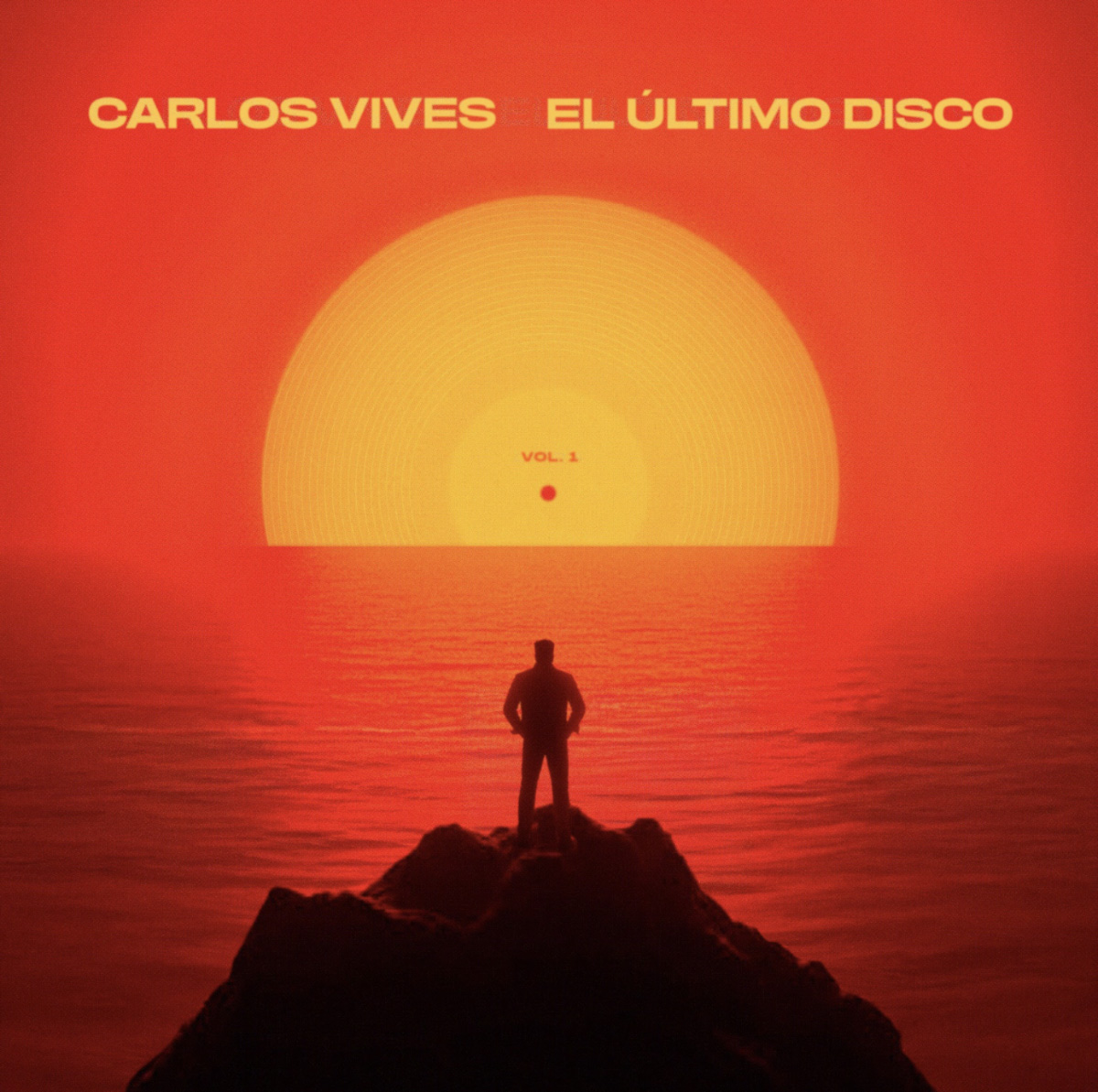
Carlos Vives is not closing a chapter with El Último Disco Vol. 1. He is reopening one.
The Colombian icon’s new album arrives as a deliberate return to the human center of music: live musicians, real instruments, collective recording, and songs built around love, land, memory, and identity. Released as the first part of a two-volume project inspired by vinyl records, El Último Disco Vol. 1 brings Vives back to the format of the album as a complete artistic statement rather than just a collection of singles.
The project features 10 songs and collaborations with Juan Luis Guerra, Sergio George, and Niña Pastori, while also including the final recording of the late accordionist Egidio Cuadrado, Vives’ longtime musical partner and one of the defining figures in the sound of La Provincia.
For Vives, the title should not be misunderstood as a farewell. Instead, El Último Disco functions as a statement about what can still matter in an industry shaped by speed, algorithms, short-form content, and constantly shifting release strategies. At a time when Latin music is expanding globally through urbano, música mexicana, bachata, and hybrid pop movements, Vives is making a different kind of argument: innovation does not always require abandoning tradition.
That has been central to his career from the beginning. Vives helped modernize vallenato and Colombian roots music for a global pop audience, turning regional language, accordion-driven storytelling, and Caribbean rhythm into a broader Latin music identity. With El Último Disco Vol. 1, he is not trying to compete with the tempo of the current market. He is positioning himself as an artist reminding the market where much of its emotional power comes from.
The album was recorded live with the band playing together in the studio, a choice that gives the project its central identity. Rather than leaning into fragmented digital production, Vives returns to the old-school discipline of musicians responding to one another in real time. That decision matters because it places performance, not polish, at the center of the record.
The album opens with “Te Dedico,” the first single, a romantic song built around the idea of music as dedication. From there, “Tuyo y Nada Más” brings a brighter Caribbean pulse, reshaping pop vallenato through tropical energy and a family-centered message of lasting love.
One of the album’s strongest cultural moments arrives with “Buscando el Mar,” Vives’ collaboration with Juan Luis Guerra. Inspired by Gabriel García Márquez’s One Hundred Years of Solitude, the song connects Colombian literary imagination with Caribbean musical memory. Its importance deepens because it also marks Egidio Cuadrado’s final recording, adding a layer of history and farewell to a project that is already preoccupied with legacy.
The album also stretches outward. “Si Yo Volviera a Nacer,” produced by Sergio George and Andrés Leal, brings Vives into salsa brava territory, nodding to the New York tradition where salsa became a global Latin force. “Sombra Perdida,” featuring Niña Pastori, links vallenato and flamenco through a reinterpretation of Rita Fernández Padilla’s classic, creating a bridge between Colombia and Spain.
Stream New Music from Carols Vives Now on the LaMezcla Music App
That range is where El Último Disco Vol. 1 becomes more than nostalgia. Vives is not simply recreating the past; he is using older recording values to speak to the present. In a Latin music ecosystem where genres are constantly merging, the album argues that roots music can still evolve without losing its architecture. It is a consolidation move, not a retreat — a reminder that Vives’ influence has always come from translating tradition into modern language.
The closing title track, “El Último Disco,” brings the album back to vallenato with accordionist El Cocha Molina, reinforcing the project’s core idea: today’s stories can still be told through classic forms. That is the larger artistic statement here. Carlos Vives is not chasing the future by sounding younger. He is meeting the future by making the past feel alive again.
With El Último Disco Vol. 1, Vives also sets the stage for his Tour al Sol, where the new songs will live alongside the catalog that made him one of Latin music’s most important cultural ambassadors. What comes next will be worth watching — not only for the second volume, but for how this project repositions Vives as a guardian of tradition in a market increasingly defined by reinvention.
For more Latin music releases, artist stories, and playlist discovery, visit LaMezcla.com and explore the LaMezcla Music App.