



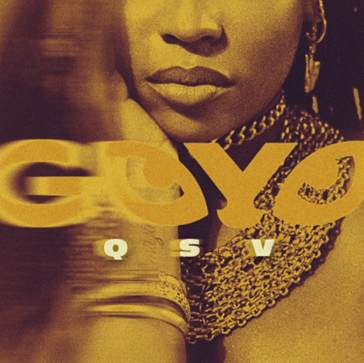


Lenny Tavárez Opens Another Chapter of ‘8’ With New Single “Mi Gallery”
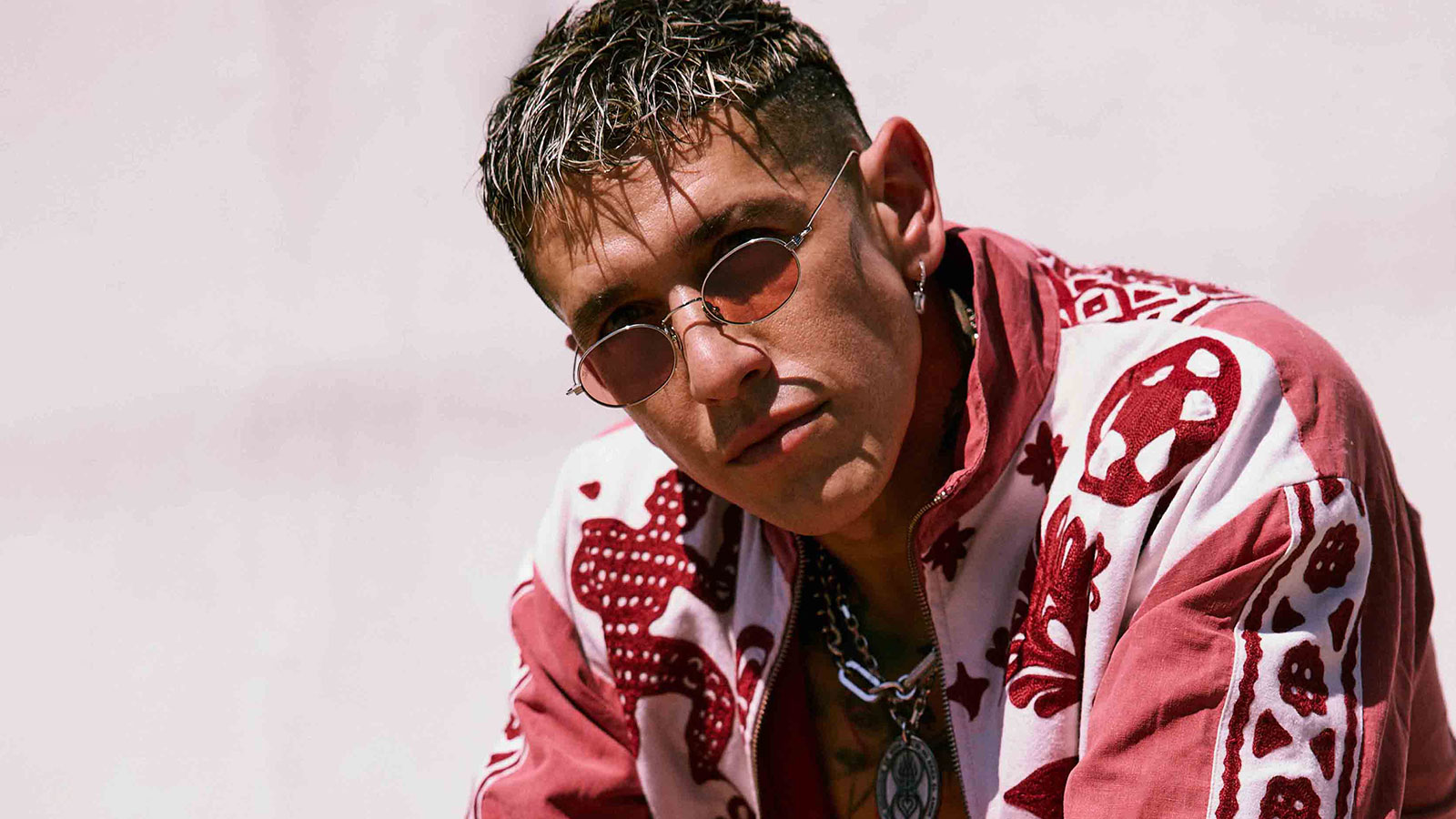
Lenny Tavárez is turning nostalgia into movement on “Mi Gallery,” the Puerto Rican artist’s latest single and third preview of his forthcoming EP, 8.
Built around a reggaetón foundation, “Mi Gallery” lives in the emotional aftermath of a relationship, when the story may have ended but the photographs, details and memories have not disappeared with it. Instead of treating that nostalgia strictly as heartbreak, Tavárez places vulnerability against a rhythm designed to move, creating a record that can carry emotional weight without abandoning the dance floor.
That balance is important to what Lenny appears to be building with 8. The eight-song project is being framed as a sequence of emotional chapters exploring attraction, desire, memory, impossible love, destiny, vulnerability, adrenaline and celebration. Rather than presenting the songs as disconnected singles, each release expands the same larger narrative.
“Mi Gallery” follows “JUICY” and “PA’ LO BONITO,” and the distance between those records is becoming part of the point. “JUICY” leaned into trap and R&B, while “PA’ LO BONITO” explored salsa with producer Sergio George. “Mi Gallery” brings Lenny firmly back into reggaetón, the musical territory where much of his career was built.
That makes 8 increasingly look less like an attempt to reinvent Lenny Tavárez than an effort to consolidate the different versions of him that have emerged throughout his career.
The timing is particularly notable after his collaborative chapter with Justin Quiles on Superarte. That project reinforced Lenny’s chemistry within the collaborative ecosystem that has long surrounded Latin urbano, but 8 shifts the camera back toward him. The new EP is positioned as a more personal solo statement, building on the evolution established through projects including KRACK and BRILLAR while placing his own experiences more directly at the center of the music.
There is another layer to that strategy. The story behind 8 draws from Lenny’s relationship with his wife, dancer Natasha Nazario, who has also become part of the visual world surrounding the project. That gives the rollout continuity beyond simply releasing eight songs: the music and accompanying visuals are being used to gradually reveal a larger story.
For an artist with Lenny’s longevity, that kind of structure matters.
Latin urbano increasingly operates in an environment where artists are expected to release frequently while moving comfortably between reggaetón, trap, R&B, tropical music and other styles. Lenny’s response appears to be embracing that flexibility rather than fighting it. Instead of forcing 8 into one sonic identity, the first three records suggest that versatility itself may be the project’s identity.
That approach also reflects where Lenny stands in his career. From his beginnings with Dyland & Lenny to his solo catalog and later collaborative projects, he has already participated in multiple generations of Latin urban music. The challenge now is less about proving that he belongs in the genre and more about defining what longevity looks like without becoming trapped by the sound of an earlier era.
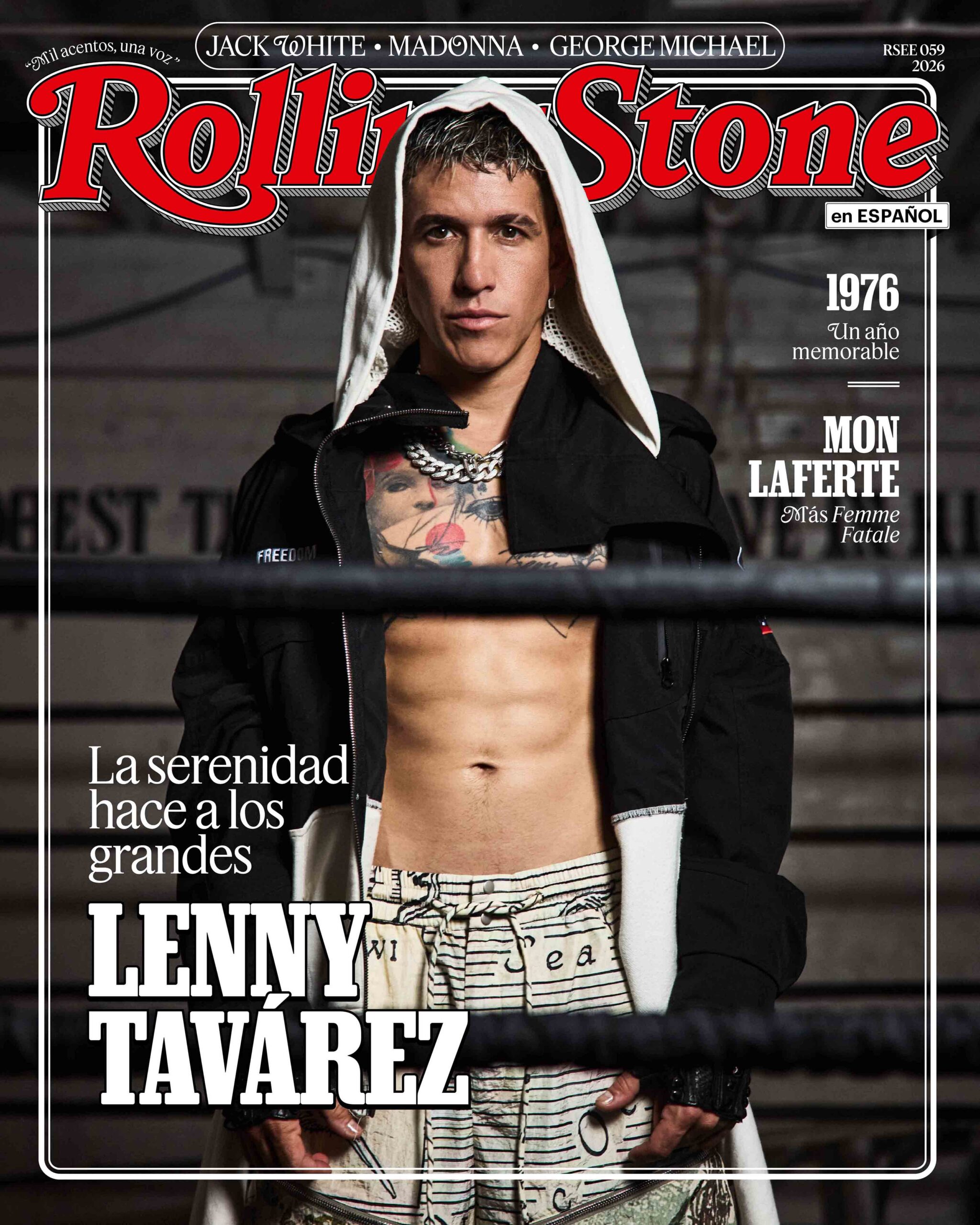
His latest Rolling Stone en Español cover arrives at precisely that moment. The publication traces his path from his early career through his current artistic and personal evolution, while highlighting the creative freedom behind 8. The profile also places his versatility at the center of his outlook: Lenny argues that artists capable of moving between sounds create more opportunities to reach different listeners while keeping their existing audiences engaged.
“Mi Gallery” puts that philosophy into practice.
Rather than abandoning reggaetón in pursuit of experimentation, Lenny is treating the genre as home base while allowing himself room to travel elsewhere. After the R&B and trap textures of “JUICY” and the salsa direction of “PA’ LO BONITO,” returning to reggaetón demonstrates how 8 can move across genres without losing the artist at its center.
That may ultimately be the more significant story surrounding this phase of his career. 8 is not shaping up as a nostalgia project, even though “Mi Gallery” is built around memory. It is becoming a statement about how an established urbano artist can acknowledge his history while refusing to be defined exclusively by it.
With five songs from the eight-track project still left to be revealed, the next releases will determine just how far Lenny intends to stretch that idea. If the first three previews are any indication, 8 is being built not around one sound, but around the range Lenny Tavárez believes his next chapter can support.
“Mi Gallery” is available now across digital streaming platforms.
For more Latin music releases, reggaetón news and emerging sounds shaping the culture, stay connected with LaMezcla.com and discover new music through the LaMezcla Music App.