




J Balvin Coachella 2026 Surprise Has Fans Calling for a Headline Set
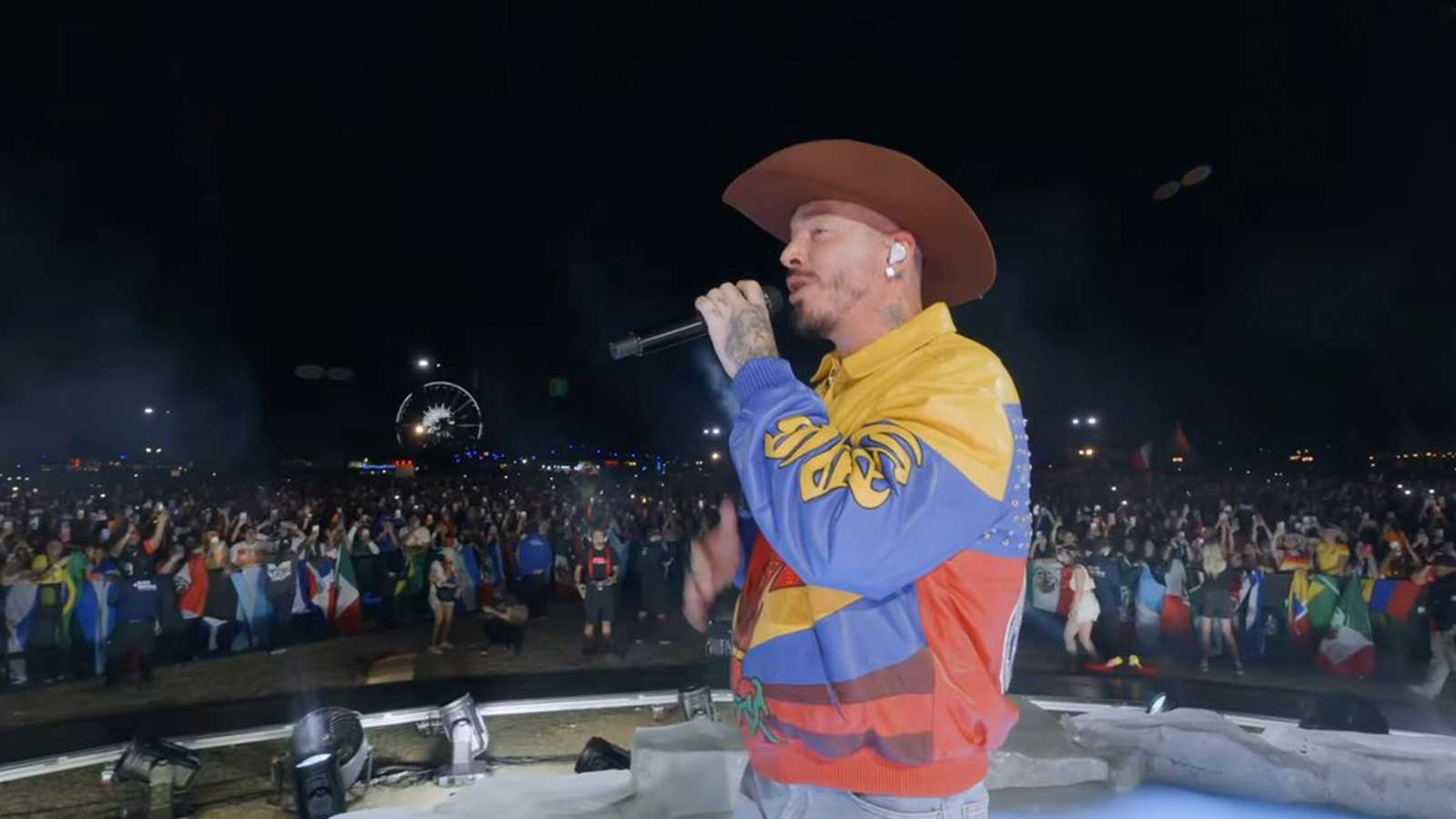
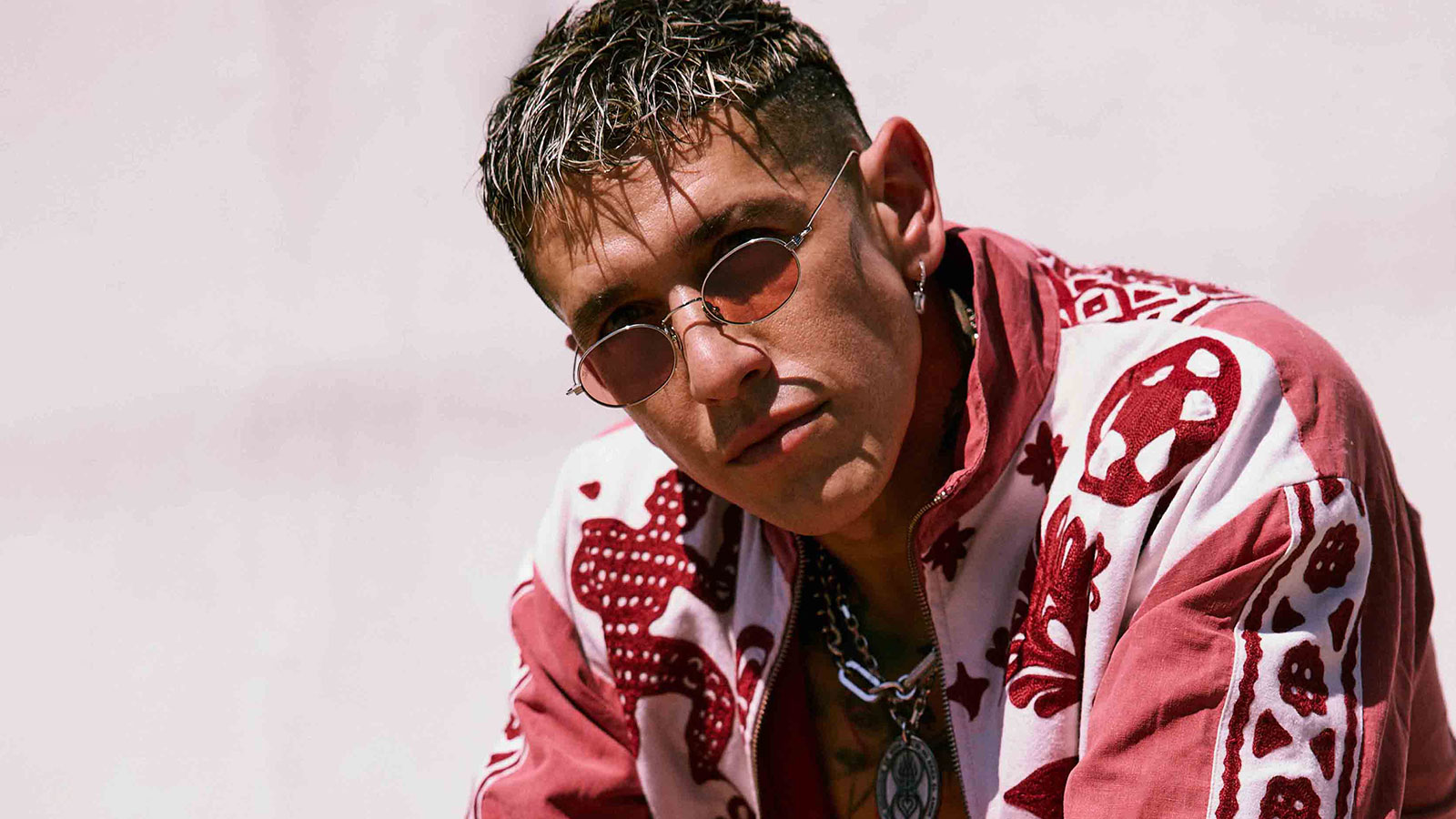
The conversation around J Balvin took a sharp turn this past weekend, and it didn’t come from a solo release or headline announcement. Instead, it came from a moment.
When Karol G brought Balvin out during her second weekend headlining set at Coachella 2026, the reaction online was immediate. Fans across social media platforms began asking the same question: Is J Balvin finally ready to headline Coachella on his own?
It wasn’t just nostalgia driving the moment, it was scale, presence, and timing.
More from J Balvin & Coachella
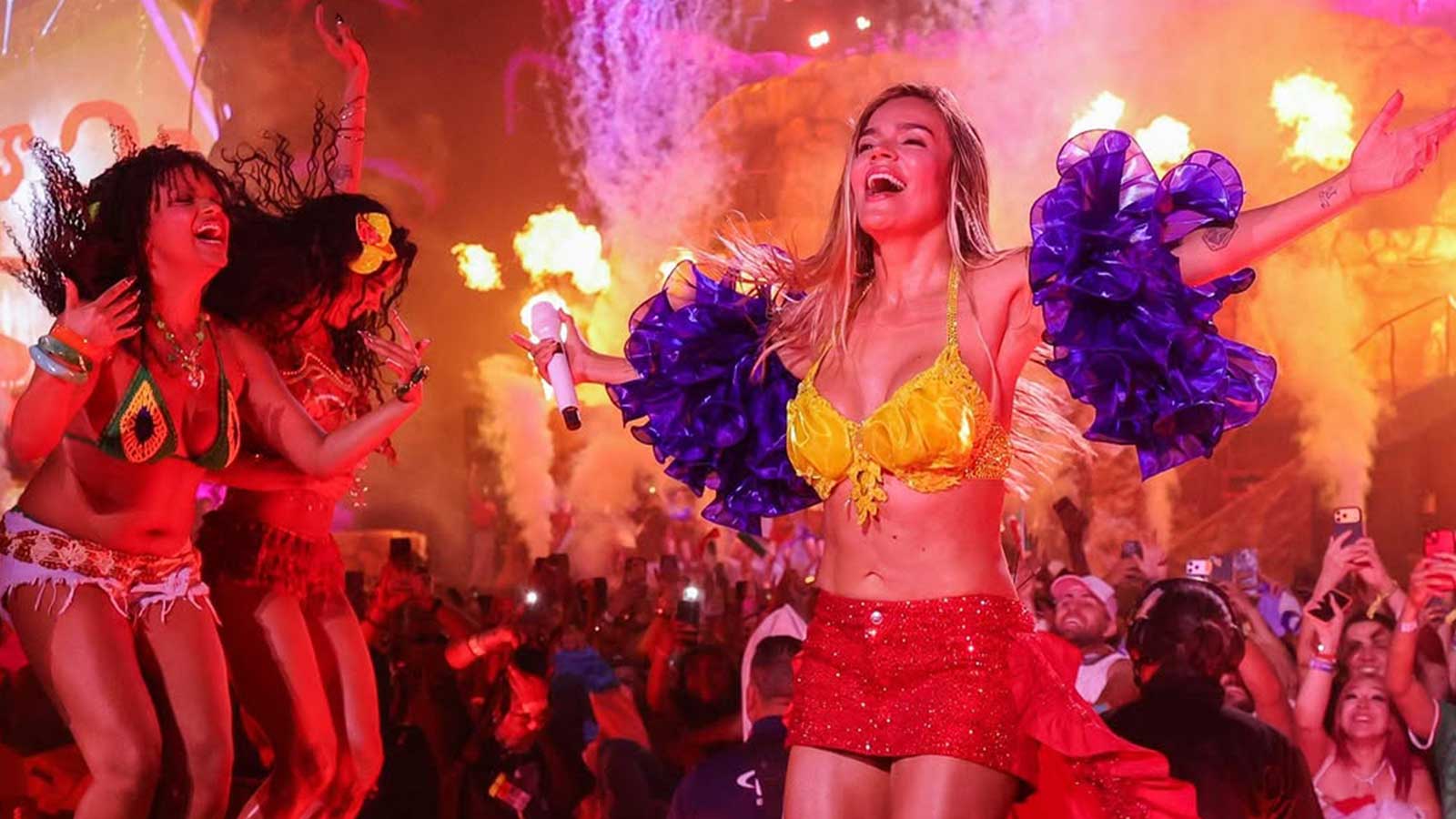
Balvin’s appearance came during a set that was already historic. Karol G became the first Latina artist to headline the festival, delivering a performance widely seen as a cultural milestone for Latin music on a global stage. Bringing Balvin into that environment wasn’t random, it felt intentional, almost symbolic.
The two artists, both pillars of the reggaeton and urbano movement, shared a stage that has historically been difficult for Latin acts to fully command. And yet, the crowd response to Balvin suggested something important: he didn’t feel like a guest, he felt like a headliner stepping into his lane.
For years, J Balvin has been positioned as one of Latin music’s most globally recognizable figures. His catalog includes crossover records like “Mi Gente” and “Ginza,” collaborations with artists across pop, hip-hop, and EDM, and multiple chart-topping albums that helped push reggaeton into mainstream global consumption.
But his relationship with Coachella has been complicated.
Balvin previously performed at the festival, notably in 2019, where his set, complete with a high-production, animated visual experience, was praised for pushing creative boundaries. However, at the time, Latin artists were still largely positioned as supporting acts rather than main-stage headliners.
That context matters now.
Because what changed over the weekend wasn’t just his performance, it was the environment around him. Latin music is no longer fighting for inclusion at festivals like Coachella. It’s defining them.
Karol G’s headline slot proved that. Balvin stepping into that moment amplified it.
Balvin’s surprise cameo wasn’t a long set, but it didn’t need to be.
Steam Our Latin Takeover Coachella 2026 Playlist Now oN LaMezcla Music App
The energy shift was immediate, fans in attendance and online reacted as if they were watching a co-headliner moment rather than a guest feature. Clips circulating across Instagram and TikTok showed massive crowd engagement, with fans singing along and feeding into the performance’s energy.
What stood out wasn’t just the music, it was confidence.
There was no hesitation, no adjustment period. Balvin looked comfortable commanding that scale, something that’s critical when evaluating headliner readiness. Coachella isn’t just about hits, it’s about presence, pacing, and the ability to hold a global audience across an entire set.
This is where the conversation gains real weight.
The timing of this moment is notable because it comes during a broader shift in the festival ecosystem.
Latin artists are no longer niche bookings, they are global drivers of ticket sales, streaming dominance, and cultural relevance. From Bad Bunny’s 2023 headline set to Karol G’s 2026 milestone, Coachella has already begun repositioning Latin music at the top of its lineup hierarchy.
Balvin’s re-entry into this conversation feels strategic.
After a quieter period compared to his peak run in the late 2010s, he’s been recalibrating, focusing on selective releases, brand alignment, and live performance moments that reinforce his legacy status. This Coachella appearance didn’t just remind audiences of his catalog, it reminded the industry of his scale.
And in a festival environment increasingly driven by global reach, that matters.
Here’s where the debate gets real.
Yes, J Balvin has the catalog.
Yes, he has the global recognition.
Yes, he has the performance experience.
But headlining Coachella in 2026 and beyond isn’t just about legacy, it’s about momentum.
Karol G entered her headline moment at a peak, coming off massive releases, cultural visibility, and a narrative that felt urgent. That’s the difference between being capable of headlining and being undeniably the right choice to headline.
Balvin’s weekend appearance suggests he’s closer than he’s been in years. But the next step isn’t just another performance, it’s a full-cycle moment.
A major album rollout.
A global hit or two re-entering the mainstream conversation.
A clear narrative that positions him not just as a pioneer, but as a current force.
If that happens, the conversation shifts from “Is he ready?” to “When is it happening?”
The momentum is there, but it needs direction.
Balvin’s next moves will be critical. Whether it’s a new project, a strategic run of collaborations, or a tour designed to rebuild that large-scale narrative, the window is open.
Because Coachella doesn’t just book headliners based on history, it books them based on impact in the moment.
And after this weekend, J Balvin is officially back in that conversation.
For more Latin music news, festival coverage, and artist insights shaping the culture, stay locked into LaMezcla.com, and discover the sounds driving these global moments inside the LaMezcla Music App.